

 Phoenix 24
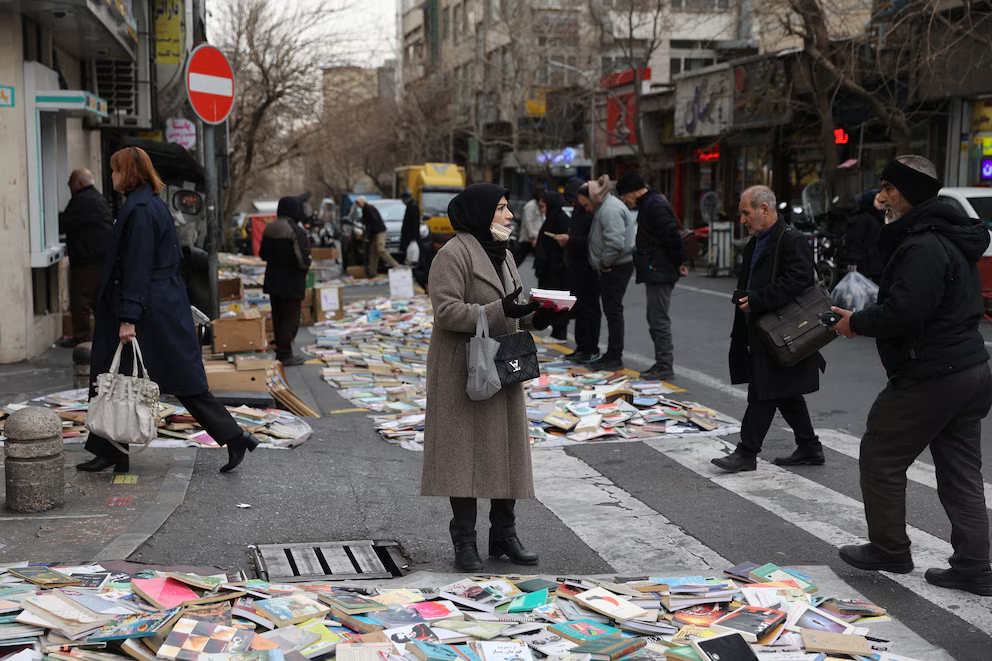
Silence becomes policy when power feels exposed.
Tehran, January 2026.
For a second consecutive week, Iran remains largely cut off from the global internet, a measure that has shifted from emergency response to structural instrument of control. What began as a temporary restriction amid nationwide protests has evolved into a sustained communications blackout, one that coincides with mounting reports of lethal force, mass detentions, and a sharp contraction of public visibility. The absence of connectivity is no longer a technical disruption. It is a governing choice with political, social, and international consequences.
Internet shutdowns are not new to the Iranian state, but the duration and breadth of this blackout mark a qualitative shift. Previous episodes were geographically limited or intermittently enforced, allowing fragments of information to circulate outward. This time, access has been reduced to controlled domestic networks while international connectivity remains minimal. The result is a near-total interruption of real-time documentation, coordination, and external verification at the very moment when such scrutiny would normally intensify.
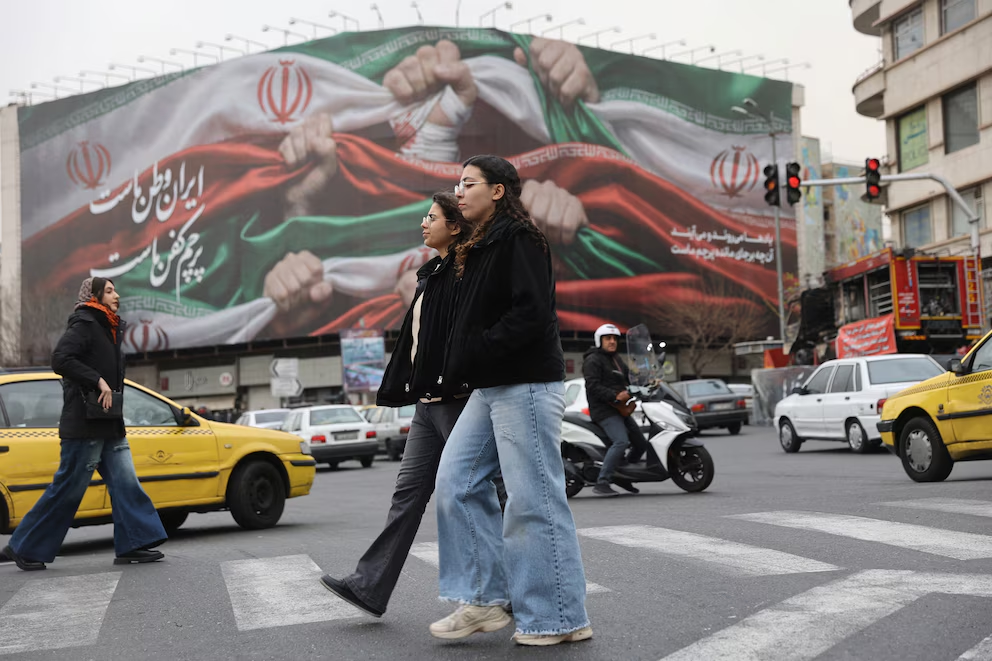
The strategic logic is clear. Digital silence fragments collective action by isolating communities from one another and from the outside world. Without messaging platforms, social media, or independent news flows, protest organization becomes slower and riskier. Families struggle to locate detained relatives. Journalists cannot verify events. International observers are forced to rely on delayed, partial, or indirect accounts. In this environment, repression does not need to be denied. It only needs to be unseen.
Reports emerging through limited channels describe a sharp rise in casualties as security forces confront demonstrators across multiple cities. Human rights monitors operating from outside the country suggest that the blackout has coincided with expanded use of lethal force, mass arrests, and expedited judicial processes. While precise figures remain contested due to the information vacuum, the pattern is consistent with previous cycles: when visibility drops, coercive capacity expands.
From an institutional perspective, the blackout reflects a deeper recalibration of state power. The Iranian leadership appears to have concluded that information control is not merely a defensive tactic but a prerequisite for regime stability under pressure. By severing digital ties, authorities reduce not only the speed of mobilization but also the symbolic resonance of protest. Images, videos, and testimonies are the currency of modern dissent. Remove the marketplace, and the currency loses value.
The economic impact is immediate and severe. Businesses dependent on international transactions, digital payments, logistics platforms, or remote services have been effectively paralyzed. Small enterprises and freelancers are cut off from income streams, while larger firms face cascading disruptions across supply chains. This compounds an already fragile economic environment marked by inflation, currency volatility, and sanctions pressure. The blackout thus functions as a form of collective economic punishment layered onto political repression.
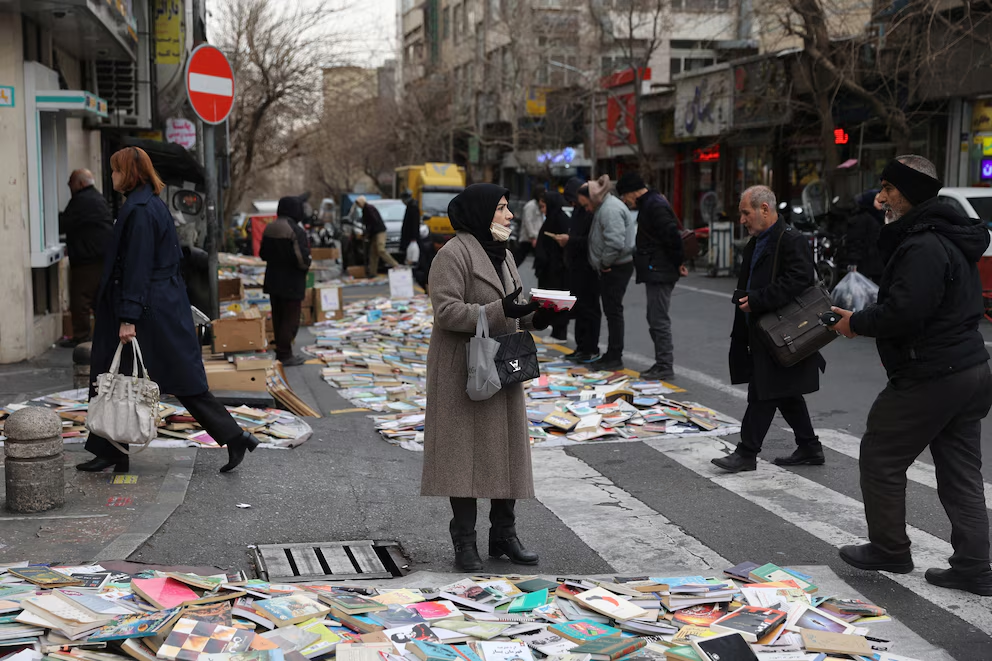
Socially, prolonged disconnection intensifies isolation and anxiety. Communication is not only instrumental but psychological. In moments of crisis, the ability to share information reassures individuals that they are not alone. Its removal deepens fear and uncertainty, reinforcing the asymmetry between a centralized state apparatus and atomized citizens. Over time, this erosion of social trust can outlast the protests themselves, leaving durable scars on civic life.
Internationally, the blackout places Iran within a growing cohort of states that weaponize connectivity control during periods of unrest. Observers in Europe, North America, and parts of Asia increasingly view internet shutdowns as early-warning indicators of large-scale repression. Diplomatic responses, however, remain constrained. Condemnations carry limited deterrent effect, and accountability mechanisms struggle when evidence is delayed or degraded.
The absence of a clear timeline for restoring access underscores the strategic nature of the decision. Authorities have floated the possibility of partial reactivation, but without guarantees or benchmarks. This ambiguity serves a purpose. It keeps society in a state of suspension, uncertain whether silence is temporary or normalized. In such conditions, compliance becomes a rational survival strategy for many, even as grievances remain unresolved.
What emerges from this second week of blackout is not merely a snapshot of crisis, but a pattern. Information control is no longer ancillary to repression; it is central to it. The digital sphere has become a contested domain where sovereignty is asserted not through connectivity, but through its denial. For Iran, the cost is mounting isolation and deepening mistrust, both domestically and abroad. For the international system, the lesson is sobering: in the absence of visibility, power operates with fewer constraints.
Beyond the immediate violence and economic damage lies a longer-term question. A state that governs through silence may suppress dissent in the short run, but it also narrows the channels through which legitimacy can be rebuilt. When communication is restored, if it is restored, the accumulated weight of what went unseen will not disappear. It will surface in fragmented memories, delayed testimonies, and a population more wary of both authority and promises of reform.
Beyond the news, the pattern.
Beyond the news, the pattern.