

 Phoenix 24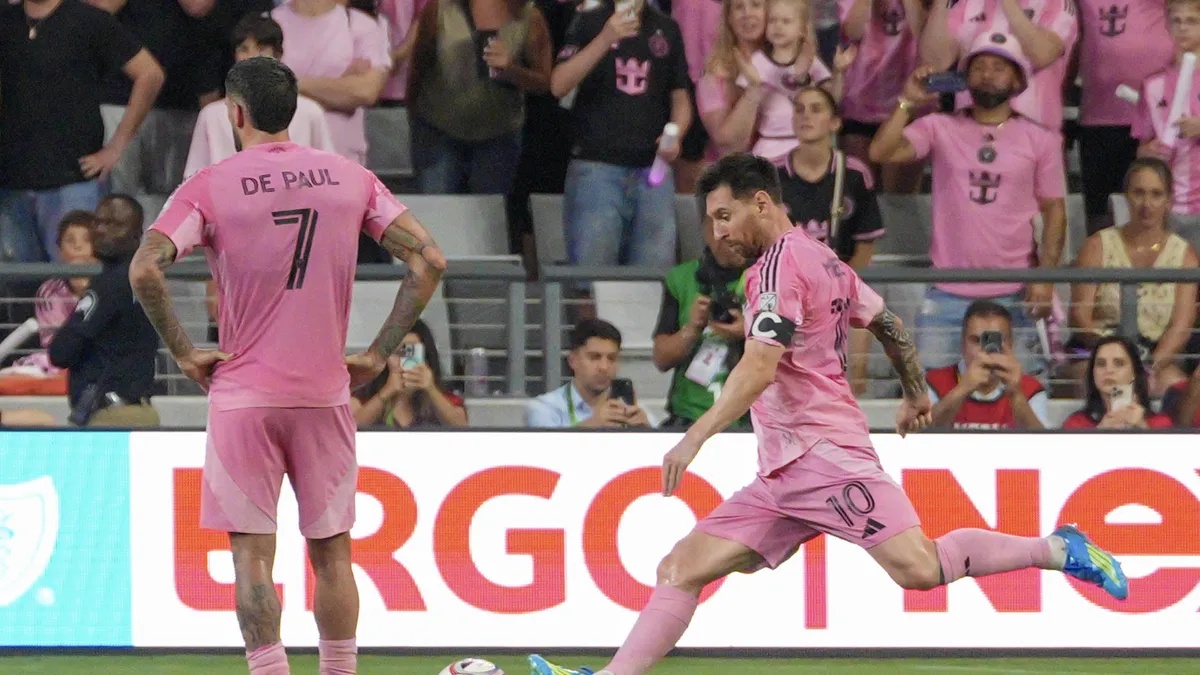
Messi’s bench becomes the next battlefield
Miami, April 2026. The resignation of Javier Mascherano as head coach of Inter Miami CF has triggered an immediate power vacuum in one of the most visible clubs in global football. The departure comes just months after delivering the franchise’s first MLS title, turning what should have been a consolidation phase into a moment of strategic uncertainty.
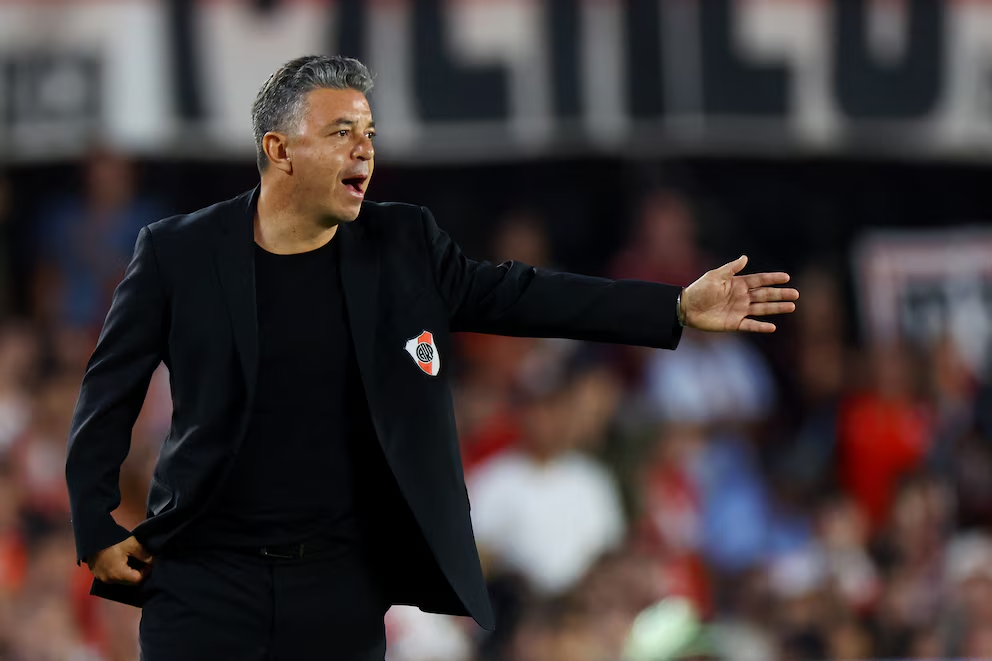
The club has moved quickly to stabilize the situation, appointing Guillermo Hoyos as interim manager. However, this is widely understood as a transitional measure rather than a long term solution. The real decision now lies in selecting a permanent figure capable of managing not just a team, but a global football project built around Lionel Messi and a constellation of elite talent.
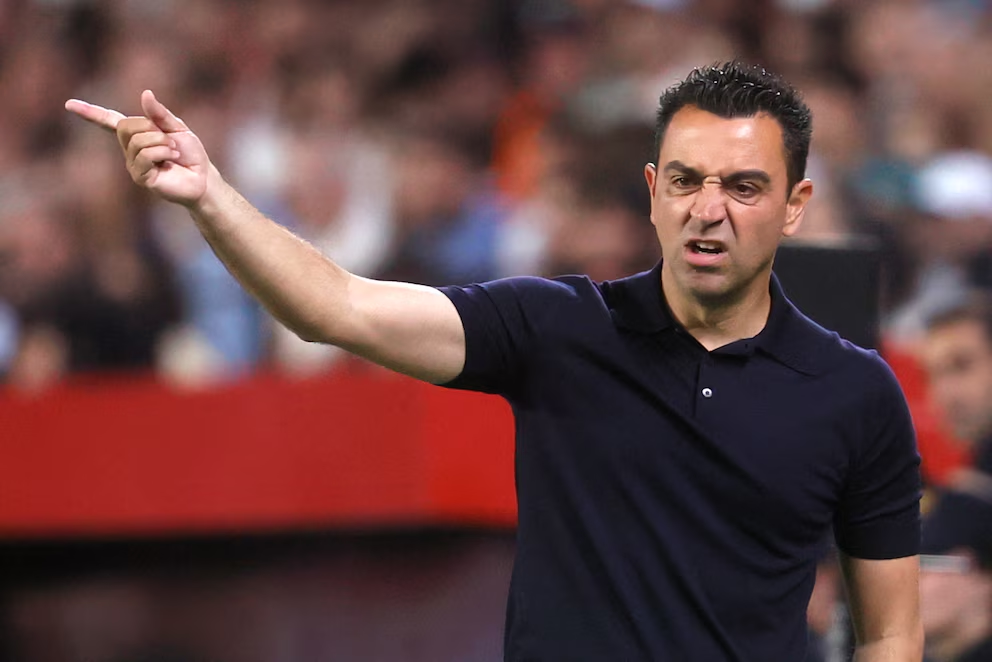
Several high profile candidates have emerged, many of them linked directly or indirectly to Messi’s career. Xavi Hernández stands out as a natural fit due to his shared history at Barcelona and his positional understanding of Messi’s footballing ecosystem. His availability and tactical identity make him one of the most coherent options in terms of continuity and philosophy.
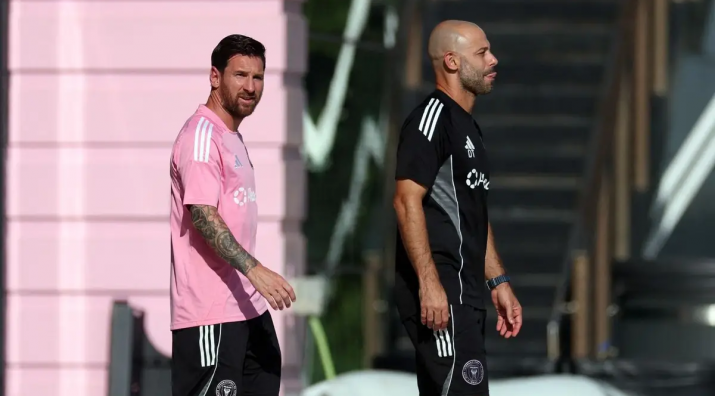
Another name gaining traction is Marcelo Gallardo, whose reputation for leadership, intensity, and competitive structure could offer a different dimension to the project. While lacking direct club level experience with Messi, his profile aligns with a model focused on discipline and high performance under pressure.
The list also includes figures such as Ernesto Valverde, known for his experience managing elite squads at Barcelona, and Lionel Scaloni, whose connection with Messi at international level adds symbolic and tactical weight. However, both represent more complex scenarios due to contractual and timing constraints.
Additional Argentine options reinforce the pattern. Coaches like Hernán Crespo and Martín Palermo bring historical ties to the national team environment, while figures such as Matías Almeyda expand the pool beyond direct Messi connections. Even international profiles like Gareth Southgate have been considered, reflecting the club’s global ambition.
What emerges is not just a shortlist, but a strategic dilemma. Inter Miami is no longer selecting a coach in the traditional sense. It is choosing a figure capable of managing brand, performance, and legacy simultaneously. The presence of Messi transforms the role into something closer to a hybrid between sporting director, tactician, and cultural manager.
At a structural level, the decision will define the club’s next phase. A coach aligned with Messi’s football identity would reinforce continuity and short term success. A more independent profile could signal a shift toward institutional autonomy beyond individual stars. Either path carries implications that extend far beyond the pitch.
In that sense, the next appointment is not simply about replacing Mascherano. It is about defining what Inter Miami wants to become in the global football hierarchy.
Behind every data point, there is an intention. Behind every silence, a structure.