

 Phoenix 24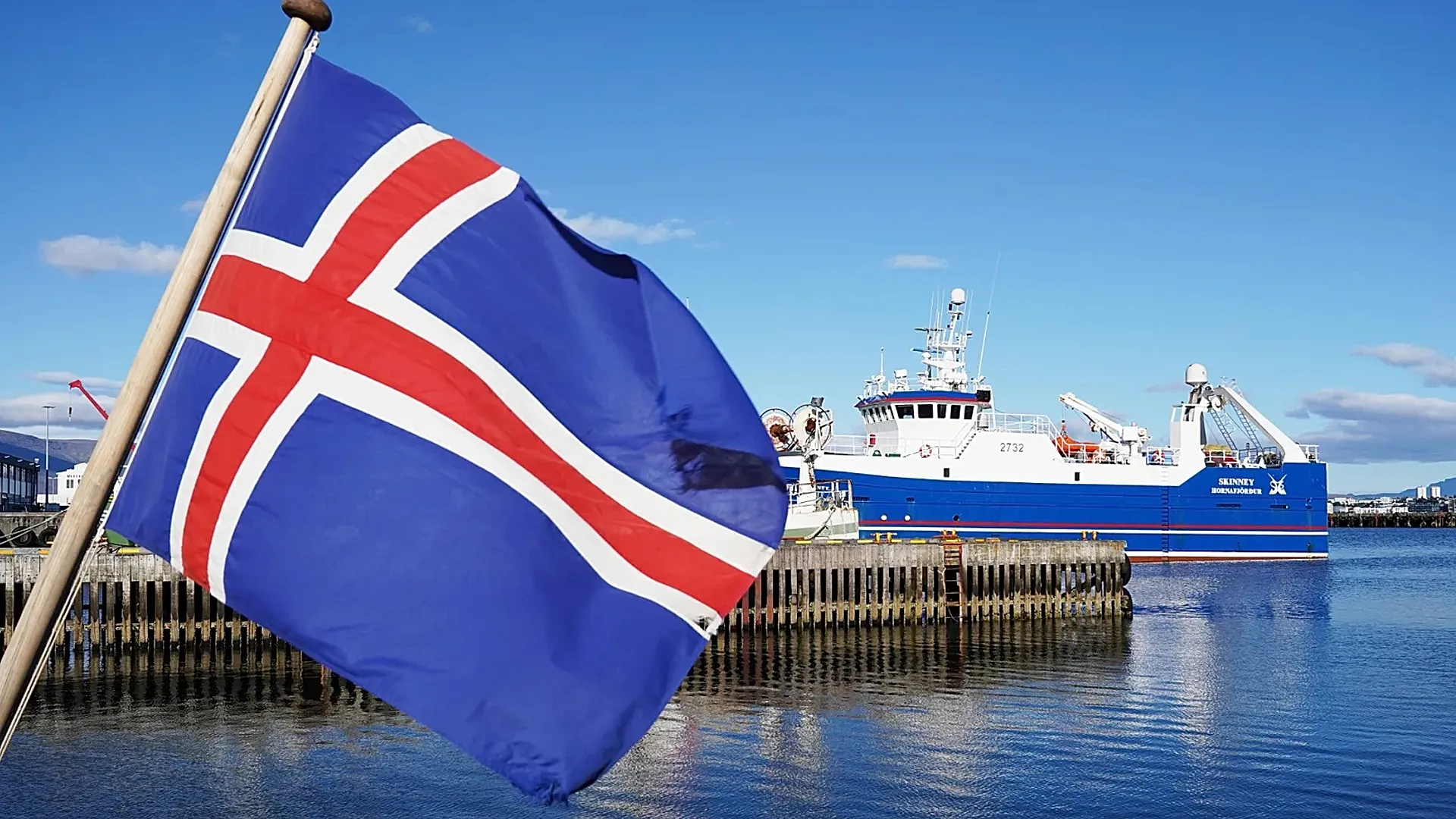
The ballot opens negotiations, not the door to immediate membership.
REYKJAVÍK, ICELAND
Icelanders will vote on whether their government should resume negotiations to join the European Union, more than a decade after the accession process was suspended. The referendum will not determine whether Iceland becomes an EU member. If negotiations produce an agreement, voters would need to approve the final terms in a second referendum, followed by ratification from all 27 EU member states.
The country applied for membership in 2009 after its banking collapse but halted negotiations in 2013 under a more Eurosceptic government. Iceland has nevertheless remained deeply integrated with Europe through the European Economic Area, the Schengen zone and the European Free Trade Association. It participates in much of the single market and applies numerous European regulations without holding voting power inside EU institutions.
Supporters argue that membership would allow Iceland to influence rules it already implements. They also present European integration as a possible route toward greater monetary stability, lower borrowing costs and eventual adoption of the euro. Inflation, high living expenses, Russia’s war against Ukraine and growing geopolitical competition in the Arctic have strengthened their argument that a country of fewer than 400,000 inhabitants needs deeper institutional protection.
Opponents focus primarily on sovereignty, fishing rights and control over natural resources. Fisheries remain economically and culturally central to Iceland, while the EU’s common fisheries policy would become one of the most difficult areas of negotiation. Critics also argue that the country already receives many benefits of European integration without assuming the financial and regulatory obligations of full membership.
Public opinion remains nearly divided. One survey showed a narrow majority supporting renewed negotiations, while a later Gallup poll found 51.6 percent opposed and 48.4 percent in favour. These results indicate uncertainty rather than a dependable prediction, particularly because participation and undecided voters could determine the outcome.
For Brussels, a favourable vote would carry significance beyond Iceland’s small population. Its accession could extend the EU’s political presence in the North Atlantic, add important renewable-energy and fisheries resources, and demonstrate that enlargement remains attractive to a prosperous Western democracy. Iceland’s candidacy would probably advance faster than those of countries requiring extensive institutional reforms, although no timetable or successful outcome is guaranteed.
A rejection would probably remove membership from Iceland’s immediate political agenda without ending its economic relationship with the bloc. Approval would only begin a negotiation in which fisheries, agriculture, currency and sovereignty remain unresolved. The referendum therefore asks Icelanders whether they want to discover the price of membership before deciding whether they are willing to pay it.
Más allá de la noticia, el patrón. / Beyond the news, the pattern.