

 Phoenix 24
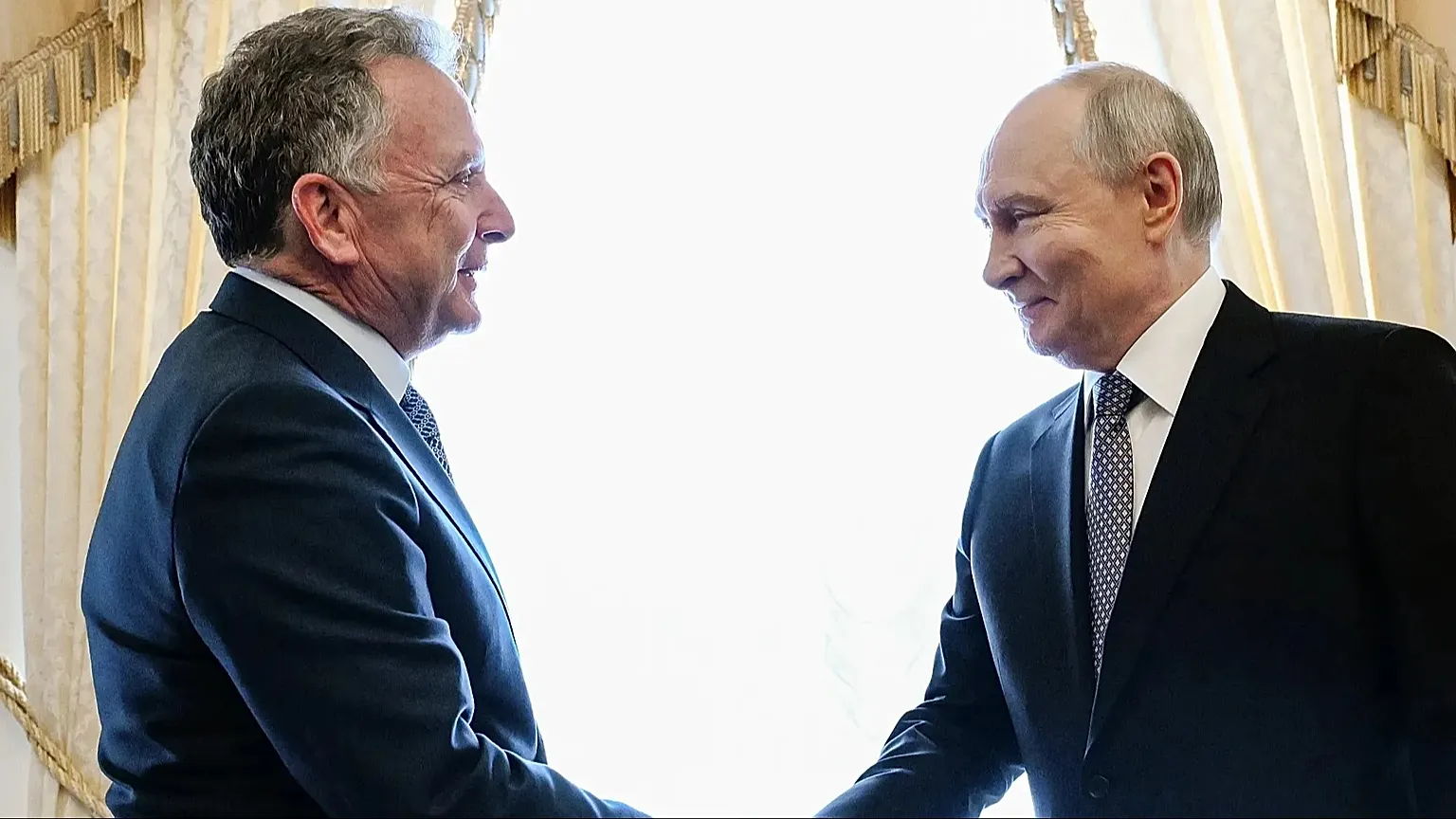
A long-disputed conviction ends amid renewed diplomatic negotiations.
ST. PETERSBURG
Russia has released American citizen Stephen Hubbard after more than four years in detention, following a direct request from US President Donald Trump to Russian President Vladimir Putin. The decision was announced during a meeting between Putin and US special envoy Steve Witkoff in St. Petersburg, as Washington and Moscow continued diplomatic discussions concerning the war in Ukraine.
Hubbard, a 74-year-old retired schoolteacher from Michigan, had been imprisoned since 2022 after Russian authorities accused him of fighting as a mercenary for Ukrainian forces. He was sentenced to nearly seven years in prison following a closed-door trial in Moscow in October 2024.
The allegations have remained contested. Russian prosecutors claimed that Hubbard joined a Ukrainian military unit after Moscow launched its full-scale invasion in February 2022. His American lawyer disputed the accusation, maintaining that Hubbard had not participated in combat or served in a military formation.
Hubbard had lived in the eastern Ukrainian city of Izyum since 2014. Russian forces detained him in April 2022, during the early months of the invasion.
The United States formally designated him as wrongfully detained in early 2025, allowing his case to receive specialized diplomatic attention.
Trump said he had personally raised Hubbard’s situation with Putin. According to the White House, the release did not require Washington to free a Russian prisoner in exchange, distinguishing the arrangement from previous bilateral prisoner swaps.
Witkoff thanked Putin during their meeting, presenting Hubbard’s return as a significant humanitarian development. Russian officials confirmed that the American had been released and was at St. Petersburg’s Pulkovo airport.
The timing gives the decision broader diplomatic significance. Witkoff’s visit formed part of continued American efforts to negotiate an end to the war, although major disagreements remain between Moscow, Washington and Kyiv.
Hubbard’s release does not establish that Russia has agreed to concessions concerning Ukrainian territory, military operations or a ceasefire.
It also occurs during a period of changing US policy toward Moscow, making the relationship between humanitarian gestures and wider diplomatic negotiations a subject of international scrutiny.
Questions remain about Hubbard’s treatment during detention. His sister, Patricia Hubbard Fox, has alleged that he suffered beatings, torture and prolonged deprivation while in Russian custody. Those allegations are serious, but the specific circumstances have not been independently established.
Human rights organizations have repeatedly raised concerns about access to detainees and the transparency of judicial proceedings involving foreign nationals in Russia.
Hubbard’s freedom also does not resolve the situation facing other Americans imprisoned in the country. The James W. Foley Legacy Foundation estimates that approximately two dozen US citizens remain in Russian detention for various reasons.
His case illustrates how individual detainees can become entangled in broader international confrontations, where criminal accusations, diplomatic negotiations and humanitarian concerns intersect.
For Hubbard and his family, the immediate development is the end of a lengthy detention. For Washington and Moscow, the release represents a concrete diplomatic outcome without demonstrating a wider resolution of their disagreements.
Whether it contributes to further prisoner releases or substantive progress on Ukraine remains uncertain.
Beyond the Headlines, Accountability Matters.