

 Phoenix 24
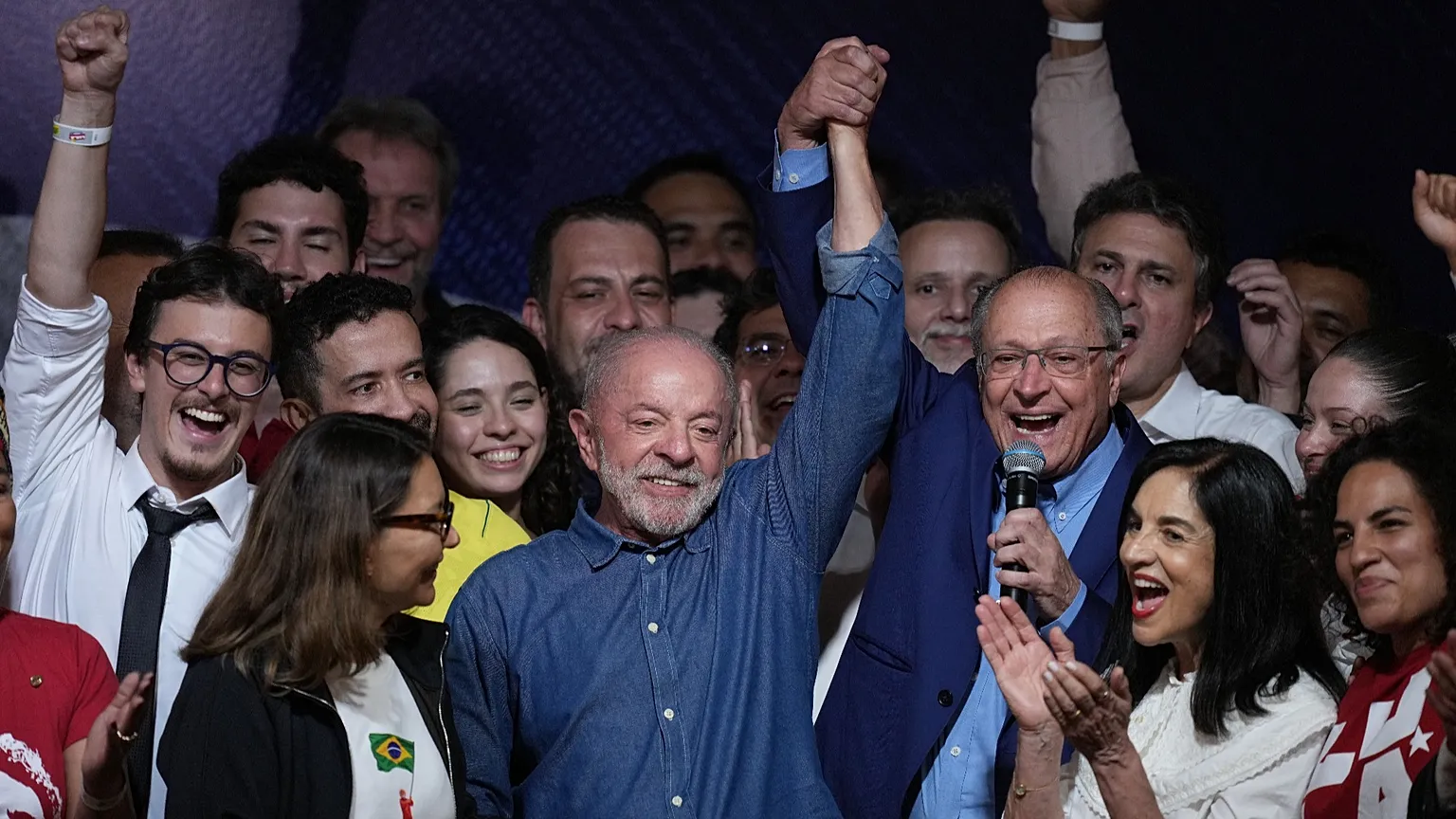
A historic comeback exposes deep divisions in Latin America’s largest democracy.
BRASÍLIA
Brazilian President Luiz Inácio Lula da Silva has secured a historic fourth presidential term after defeating Senator Flávio Bolsonaro in Sunday’s runoff election. The result, announced by Brazil’s Superior Electoral Court on October 25, gives Lula another mandate but faces an immediate political challenge after Bolsonaro refused to concede and called for the vote to be annulled.
Official figures show Lula receiving 64,256,232 votes, representing 51.79% of valid ballots. Bolsonaro obtained 59,826,041 votes, or 48.21%, leaving a difference of more than 4.4 million votes between the candidates.
The result represents a significant comeback for the incumbent president, who had trailed Bolsonaro in the first round. Lula subsequently strengthened his campaign through public demonstrations, digital mobilization and appeals centered on democratic institutions and Brazilian sovereignty.
Bolsonaro challenged the outcome following a last-minute decision by electoral authorities to extend voting hours by two hours in response to transportation difficulties and severe weather in several regions.
The opposition candidate characterized the extension as unacceptable and announced his intention to seek annulment. However, his objections do not invalidate the official results, and allegations of electoral irregularities require examination through established legal procedures.
The dispute also carries historical significance. Flávio Bolsonaro is the son of former President Jair Bolsonaro, who is serving a prison sentence following his conviction for attempting to overturn the outcome of Brazil’s 2022 election.
Lula’s victory therefore extends a political confrontation that has shaped the country for years, although the 2026 campaign also reflected concerns about living costs, public security and economic opportunity.
More than 128 million Brazilians participated in the runoff. Abstention fell to approximately 19.2%, compared with 21.08% during the first round, indicating greater electoral participation in the decisive contest.
Internationally, Lula’s reelection preserves Brazil’s current approach to strategic autonomy amid pressure from Washington. His government has emphasized diplomatic flexibility, relations with China and participation in BRICS while maintaining economic engagement with the United States.
The election does not remove the challenges facing his administration. Brazil remains politically divided, and the next presidential term will require negotiations across competing institutional and economic interests.
Lula’s new mandate also arrives as President Donald Trump pursues closer relationships with several conservative governments across Latin America, creating potential disagreements over trade, security and regional diplomacy.
The immediate constitutional question concerns Bolsonaro’s proposed challenge. Brazil’s electoral institutions have declared a winner, but any formal legal objections must be assessed independently of political statements.
Lula has won the election. The task of governing a divided country, however, begins with addressing the concerns of millions who voted against him.
Beyond the Headlines, Accountability Matters.