

 Phoenix 24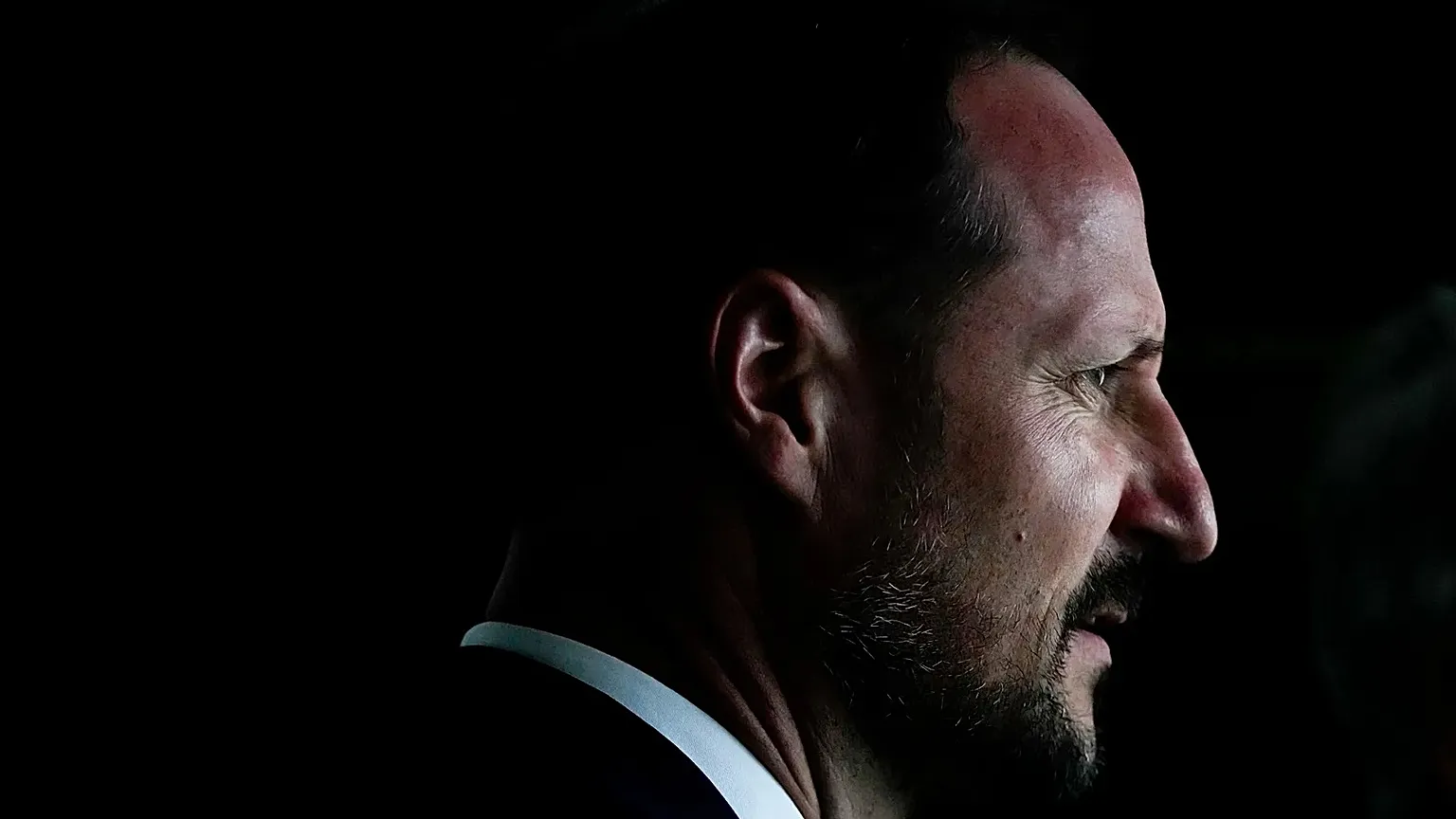
A prepared monarch assumes the throne as private scandals test public legitimacy.
OSLO, NORWAY
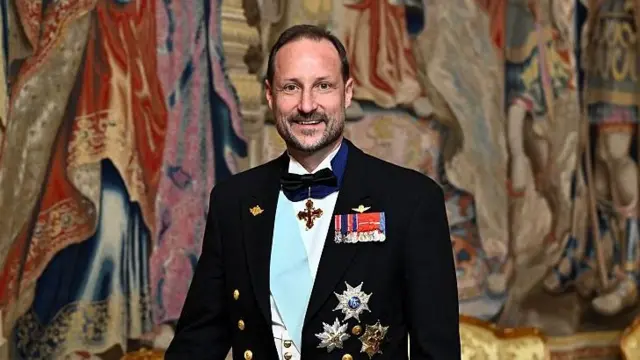
Haakon VIII has become Norway’s king following the death of his father, Harald V, ending a reign that lasted more than three decades. The throne passed automatically under the Norwegian Constitution, without requiring a coronation or political confirmation. Haakon’s eldest child, 22-year-old Ingrid Alexandra, is now crown princess and first in line to succeed him.
The 53-year-old monarch enters the role with considerable institutional experience. He served repeatedly as regent during Harald’s illnesses and participated for years in diplomatic visits, national ceremonies and international initiatives. Haakon studied political science at the University of California, Berkeley, earned a master’s degree in development studies from the London School of Economics and received naval and diplomatic training.
His authority is largely ceremonial because executive and legislative power belongs to Norway’s elected institutions. The king formally presides over meetings of the Council of State, represents the country abroad and performs a unifying role during national celebrations and crises. His influence therefore depends less on constitutional power than on political neutrality, continuity and public confidence.
Haakon’s marriage to Mette-Marit Tjessem Høiby initially divided Norwegian opinion because she was a single mother with connections to a social environment associated with illegal drug use. She subsequently gained wider public acceptance, but scrutiny returned after the disclosure of her previous contact with convicted sex offender Jeffrey Epstein. Mette-Marit has apologized for exercising poor judgment and has not been accused of any crime.
The monarchy has also been damaged by the criminal case involving Mette-Marit’s son, Marius Borg Høiby, who has no royal title or official position. He was sentenced to four years in prison after being convicted of rape, assault and abuse within an intimate relationship. His lawyers have announced an appeal, making the convictions established judicial facts but not yet the conclusion of every available legal process.
Further controversy has surrounded Haakon’s sister, Princess Märtha Louise, whose commercial activities and unconventional spiritual claims led her to relinquish official royal duties. These family disputes have contributed to declining support for the institution, although available polls still indicate that a majority of Norwegians favour retaining the monarchy.
Haakon must now preserve the accessibility and inclusiveness associated with his father while drawing clearer boundaries between constitutional service and private conduct. Ingrid Alexandra’s emergence as heir also introduces a generational transition that could help modernize the institution. The new reign will ultimately be judged not by inherited ceremony, but by whether the royal family can demonstrate accountability without becoming another participant in political life.
La narrativa también es poder. / Narrative is power too.