

 Phoenix 24
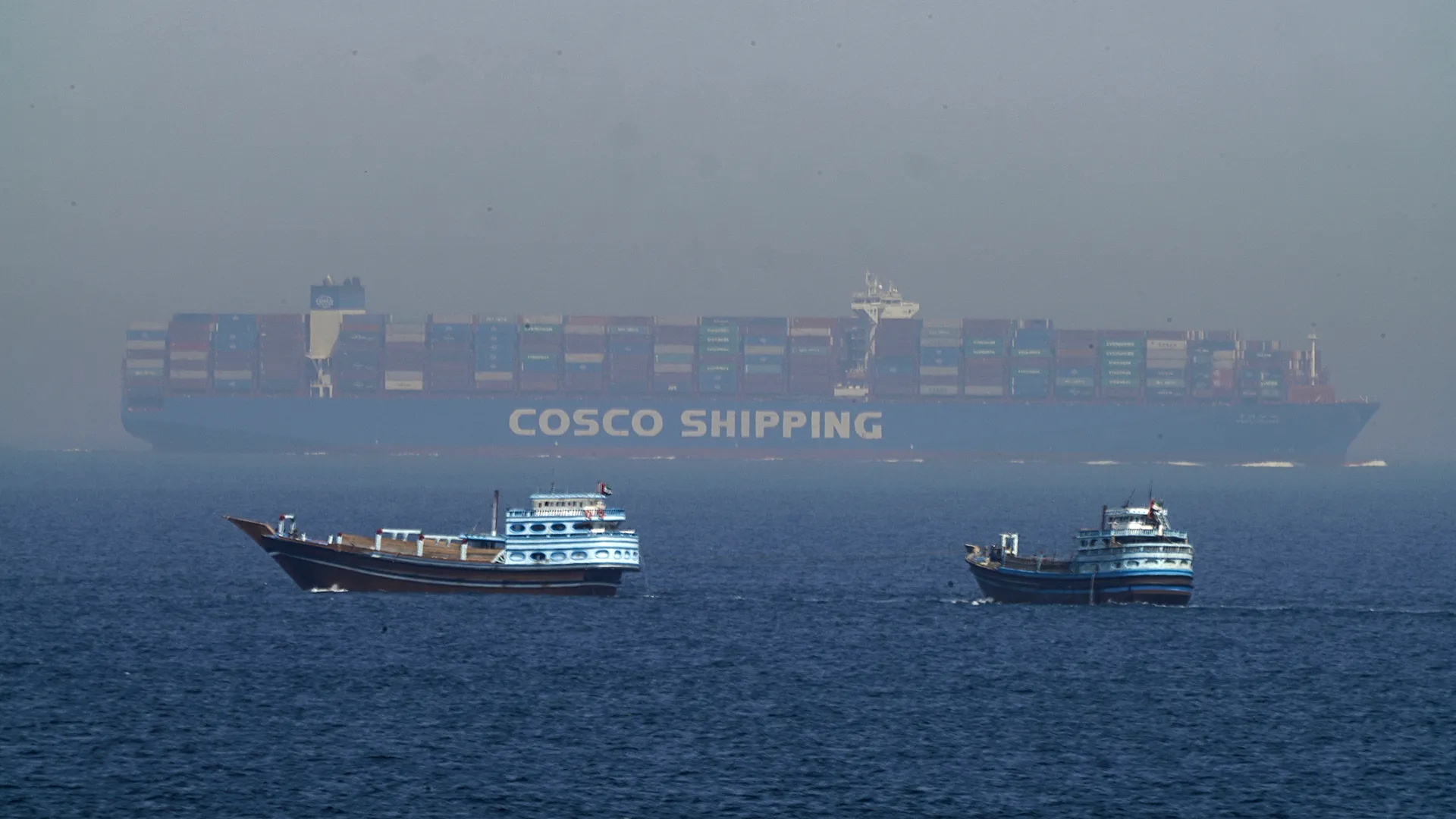
Shipping lanes fail before markets fully price the risk.
Muscat, March 2026
A second tanker strike near the Strait of Hormuz is no longer a maritime incident in isolation. It is a structural signal that the Gulf’s commercial arteries are being pushed into wartime logic, where navigation, insurance, energy pricing, and military signaling begin to collapse into the same operational theater. Euronews reported that another oil tanker was hit near Oman, citing Oman’s Maritime Security Centre, while the broader pattern now points to a deterioration in transit safety across one of the most critical energy corridors on the planet.
According to the reporting, the vessel involved was a Marshall Islands flagged tanker struck by an unmanned attack craft or drone type projectile roughly 52 nautical miles off Muscat, with an explosion and at least one crew casualty reported in coverage of the incident. The exact tactical details may still shift as investigations consolidate, but the operational meaning is already clear: vessels are being targeted not only in symbolic proximity to Hormuz, but in routes that support the wider Gulf traffic ecosystem. That expands the risk envelope for operators well beyond the narrow strait line itself.
The market implications are immediate because Hormuz is not just another maritime passage. International coverage converged on a severe disruption scenario in which large numbers of crude and LNG tankers have remained in safer holding areas outside the strait, while a significant share of seaborne oil and gas trade is described as delayed or paralyzed by security concerns. Even where exact percentages vary by report timing and methodology, the common picture is one of congestion, rerouting pressure, and fear driven behavior among shipowners and charterers.
This is where the story stops being only about damage and starts becoming a systems story. Maritime trade does not need a formal closure of the strait to produce a global shock. It only needs repeated strikes, unstable risk assessments, and uncertainty in underwriting to trigger self restriction. Wider reporting also points to war risk insurance stress, stranded vessels, and multiple damaged tankers, which means the private sector is already reacting as if the corridor has entered a semi denied phase, even without an official blockade declaration.
The repetition matters more than the singular event. Reports across consecutive days describe multiple tanker incidents, including earlier damage off Oman and injuries aboard another vessel near the Musandam area. In conflict economics, repetition changes everything because it transforms probability. A one off strike can be framed as anomaly. A sequence of strikes, deaths, or injuries across nearby routes becomes a pricing variable, then a logistics variable, and eventually a strategic variable for importing states and refiners.
Another layer of pressure comes from the information environment. Different outlets describe the attack mechanism in slightly different terms, ranging from drone boat to unmanned projectile, while official details remain partial in the first hours. That ambiguity is not a side issue. It is part of the conflict terrain, because uncertainty about method and attribution directly affects insurer responses, naval escort decisions, and the public messaging of states trying to deter escalation without admitting loss of control. In practical terms, incomplete clarity can be as disruptive as confirmed threat data when captains and operators must make route decisions in real time.
For energy markets, the strategic concern is not only crude volumes but the layered dependency structure around Gulf exports, LNG schedules, and freight costs. Reporting indicates that shipping rates on key routes jumped sharply and that oil and gas markets were reacting to fears of prolonged disruption, which aligns with the historic pattern of Hormuz risk transmission: freight volatility often accelerates before physical supply losses can be measured with confidence. Markets, in other words, do not wait for certainty when the chokepoint itself begins to look tactically penetrable.
Oman’s role also deserves attention. The fact that the country’s Maritime Security Centre is central to early reporting highlights how middle states on the Gulf’s edge become essential stability interfaces during escalation. They are not merely observers collecting incident logs. They become credibility anchors for shipowners, embassies, and trading desks trying to distinguish rumor from operational warning. In crisis phases like this, a regional maritime authority’s first notice can shape commercial behavior faster than political speeches from larger capitals.
For Phoenix24, the structural reading is straightforward. Hormuz does not need to be formally closed to become strategically degraded. Once repeated attacks, vessel damage, casualty reports, tanker clustering, and insurance stress converge, the strait begins to function less like a trade corridor and more like an active battlespace with commercial traffic moving under conditional tolerance. That shift is the real headline because it changes how states plan energy security, how companies price risk, and how quickly a regional war can project consequences into Europe and Asia through freight, fuel, and confidence channels.
Phoenix24: clarity in the grey zone. / Phoenix24: claridad en la zona gris.