

 Phoenix 24
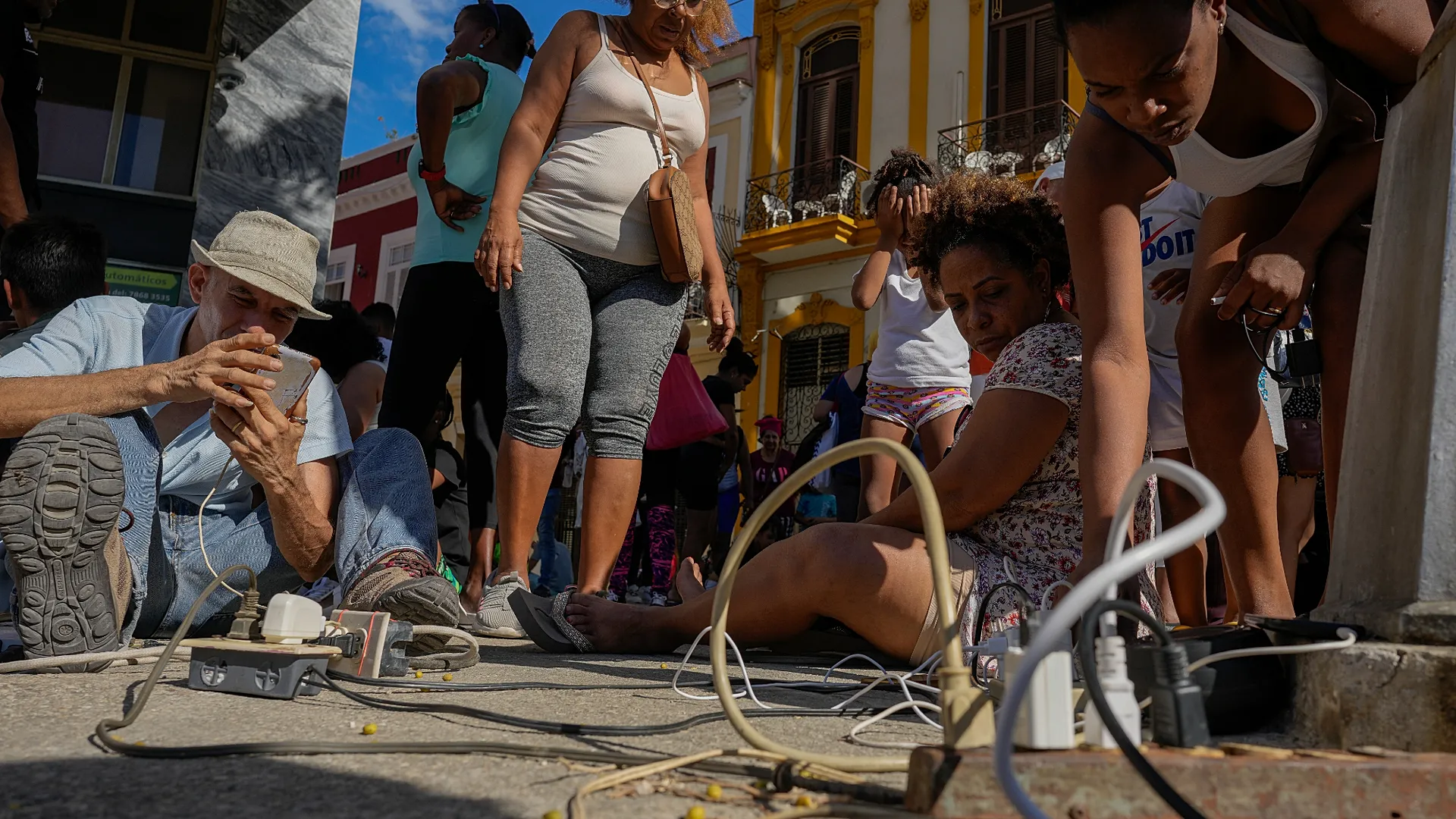
Darkness is now an economic indicator.
Havana, March 2026
Cuba’s forecast that simultaneous blackouts could affect roughly 64 percent of the country during peak electricity demand is not just another utility update. It is a signal of systemic stress in a state where energy reliability shapes food preservation, water pumping, transport rhythms, hospital operations, communications and public order all at once. Recent reporting on the latest projections, based on figures from the state utility Unión Eléctrica, describes a deficit close to 2,000 megawatts and a generation system strained by outages in multiple thermoelectric units. That scale matters because it moves the crisis beyond local inconvenience and into national governability.
The immediate problem is technical, but the crisis itself is structural. Cuba’s grid has been operating for years under a combination of aging infrastructure, recurring fuel shortages and limited maintenance capacity, which means each failed unit amplifies pressure on the rest of the system. When several plants are offline at the same time, the margin for balancing demand collapses quickly, especially during evening peak hours. In that environment, blackouts are not random interruptions. They become a managed rationing mechanism in a grid that cannot consistently produce what the country needs.
What makes the current moment more serious is the duration effect. A high simultaneous outage rate means households and businesses are not only losing electricity, they are losing predictability. In practical terms, that erodes economic adaptation strategies because people can survive occasional cuts more easily than prolonged uncertainty. Small commerce, refrigeration dependent supply chains and informal service activities all suffer when outage windows expand and shift. Over time, the blackout itself becomes a multiplier of scarcity, since it disrupts the logistics that help society absorb shortages in other sectors.
There is also a political psychology dimension that should not be underestimated. In Cuba, electrical service is not merely an infrastructure variable. It is a daily measure through which citizens assess state capacity, institutional credibility and the gap between official messaging and lived reality. When blackouts extend to many hours and affect large portions of the island simultaneously, the issue stops being interpreted as a temporary operational incident. It starts to function as a visible symbol of broader economic deterioration. That symbolic weight increases social frustration even when authorities communicate outage schedules in advance.
The fuel question remains central to this equation. Multiple reports in recent weeks have linked the latest wave of severe outages to limited fuel availability, reduced supply flows and operational constraints in distributed generation. Even where thermoelectric repairs are possible, generation recovery can stall if fuel inputs remain unstable. This is why the crisis resists simple technical narratives. Replacing parts or bringing a plant back online can improve capacity, but without consistent fuel and financing, improvements often remain fragile. The grid problem is therefore inseparable from Cuba’s wider economic and external constraint environment.
From a regional perspective, the Cuban case also illustrates how energy fragility can become a national resilience issue without the trigger of war or natural disaster. The island is confronting a chronic infrastructure emergency in slow motion, one that periodically produces peak stress moments like the current forecast. These episodes reveal the difference between operating a damaged system and rebuilding one. The first relies on rotation, improvisation and social endurance. The second requires capital, supply certainty, technical modernization and long horizon planning, all of which are harder to secure under persistent macroeconomic pressure.
For policymakers and observers, the key analytical mistake would be to treat the 64 percent figure as only a headline statistic. Its real significance lies in what it aggregates: aging plants, fuel scarcity, deferred maintenance, reduced elasticity in the grid and a population already adapting to repeated service disruption. Each blackout forecast is therefore also a snapshot of accumulated institutional strain. The electrical system is not collapsing in one moment. It is showing, with unusual clarity, the cumulative consequences of prolonged underinvestment and constrained recovery capacity.
Cuba now faces a familiar but sharper dilemma. It must preserve social stability and essential services while managing an energy system that increasingly depends on emergency balancing rather than reliable generation. That can work for a time, but every new peak demand crisis raises the cost of delay. The issue is no longer simply whether authorities can announce outage schedules or react to breakdowns. The deeper question is whether the country can shift from blackout administration to energy reconstruction before recurring shortages harden into a permanent ceiling on economic and social recovery.
Contra la propaganda, memoria. / Against propaganda, memory.