

 Phoenix 24
Britain is choosing cultural access over a new source of tourism revenue.
London
The British government has confirmed that admission to the country’s national museums will remain free for all visitors, including international tourists. Culture Secretary Lisa Nandy ended months of speculation that foreign visitors could be charged separately, reaffirming universal access across the 15 institutions directly supported by the Department for Digital, Culture, Media and Sport.
The policy covers major institutions including the British Museum, Tate, the National Portrait Gallery and National Museums Liverpool. Free admission to national museums was introduced in December 2001 and will reach its 25th anniversary later this year. The government is presenting continuity as both a cultural principle and a public policy choice.
The debate intensified after proposals emerged to consider differentiated pricing for overseas visitors. Supporters of such models argued that tourists could help generate additional revenue for museums facing rising operating and maintenance costs. Critics countered that charging international visitors would weaken one of the defining characteristics of Britain’s cultural system and potentially reduce the global accessibility of its collections.
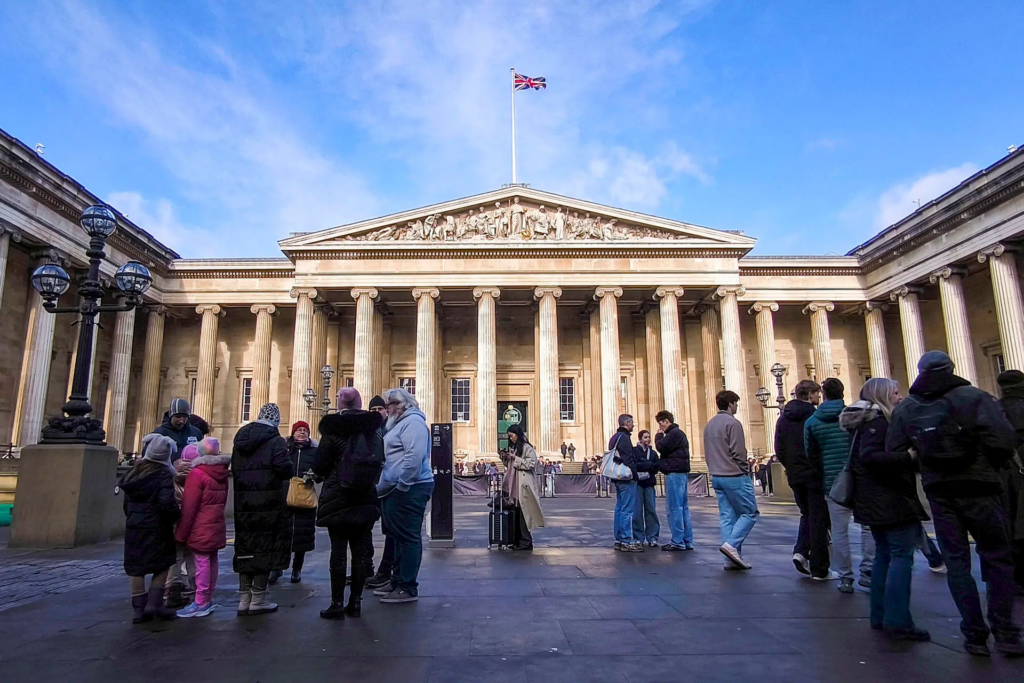
Visitor data help explain why the policy carries political weight. Attendance across the 15 national museums has increased by 96 percent since the introduction of universal free entry, rising from nearly 22.8 million visits in 1999 to just under 44.7 million in the 2025 and 2026 period. Free access has therefore become closely associated with the expansion of museum audiences.
Britain’s decision also contrasts sharply with developments elsewhere. France has moved toward higher fees for some non European visitors at institutions including the Louvre, where admission for certain international tourists now reaches €32. Other major cultural sites have also introduced differentiated pricing as governments and institutions search for new revenue.
The disagreement reflects two different philosophies of cultural funding. One treats major museums partly as premium tourist attractions capable of generating more income from international demand. The other treats access to national collections as a public good whose value extends beyond direct ticket revenue.
Britain has chosen the second approach, at least for now. The decision preserves a model in which nationality does not determine the price of entry and reinforces the idea that national cultural institutions can also function as globally accessible spaces.
The visible and the hidden, in context.