

 Phoenix 24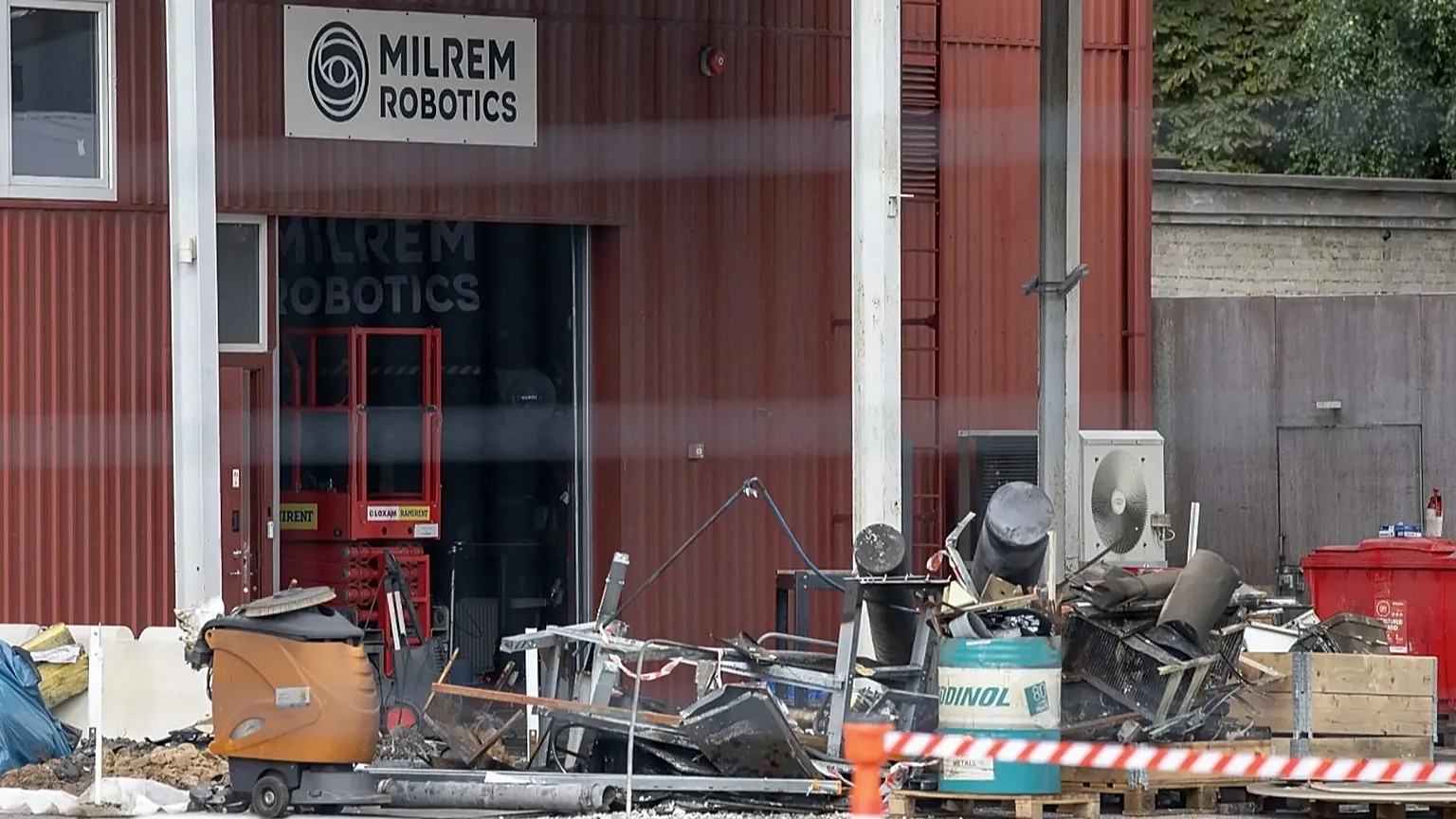
The fire is being treated as part of a broader campaign of hybrid pressure in Europe.
Tallinn
Estonian authorities have accused Russian security services of ordering an arson attack against Milrem Robotics, a defense technology company that supplies unmanned ground vehicles to Ukraine. The fire occurred during the night of August 14 to 15 at the company’s facilities in Tallinn and was quickly brought under control. Estonia’s Internal Security Service says its investigation concluded that the incident was deliberate sabotage commissioned by Russian special services.
Foreign Minister Margus Tsahkna said the attack fits what Estonia describes as a wider Russian campaign intended to intimidate European countries, create divisions among allies and weaken support for Ukraine. Following the intelligence assessment, Estonia summoned Russia’s chargé d’affaires to formally protest the incident. Prime Minister Kristen Michal also said his government would not be intimidated by such actions.
Authorities have arrested suspects believed to have directly participated in the attack, with several transferred to Estonia from Latvia during September. The criminal investigation remains open as security services seek to determine how the operation was organized, who commissioned individual participants and whether additional actors were involved.
Milrem Robotics is strategically significant because it manufactures advanced unmanned ground vehicles, including the THeMIS platform. These robotic systems can perform logistics, reconnaissance, casualty evacuation and other battlefield functions. Versions of the technology have been supplied to Ukraine with support from European partners, making the company part of the wider industrial network sustaining Kyiv’s defense effort.
Russia has rejected Estonia’s accusations. Kremlin spokesman Dmitry Peskov described the allegations as unfounded, while Estonian authorities have not publicly disclosed the classified intelligence underlying their attribution. The distinction is important: Estonia presents the conclusion as the result of its national security investigation, while Moscow denies involvement.
The incident comes amid growing European concern about sabotage, cyberattacks, arson and other operations attributed by national governments to actors linked to Russia. NATO officials increasingly describe such activity as part of a hybrid security environment in which hostile actions remain below the threshold of conventional armed conflict while still targeting critical infrastructure, defense industries and political cohesion.
For Estonia, the Milrem Robotics case is therefore larger than a single fire. It represents a test of whether European states can identify, attribute and deter covert operations without allowing them to erode support for Ukraine or destabilize relations inside NATO.
Geopolitics, unmasked.