

 Phoenix 24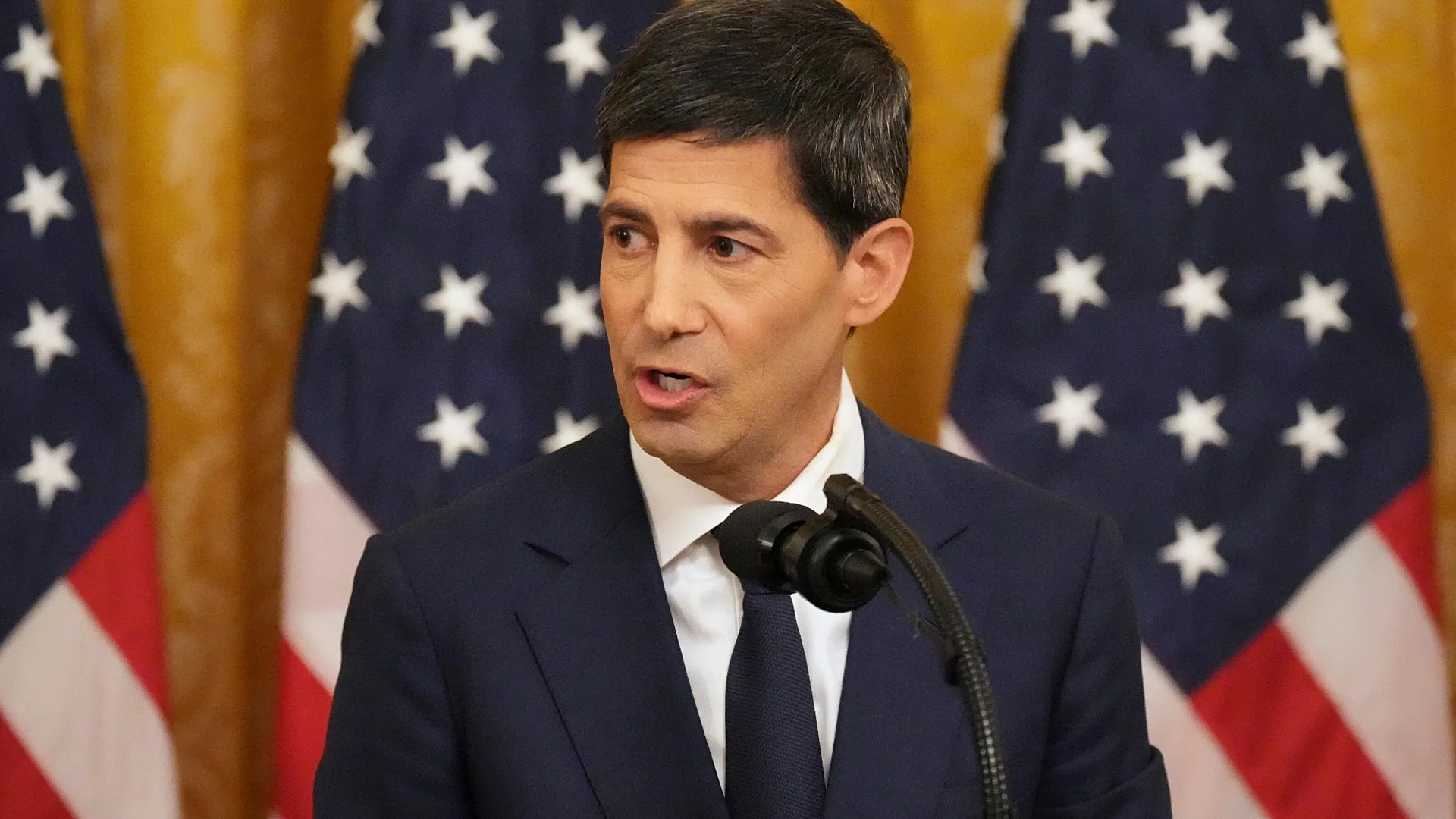
Persistent inflation forces policymakers to reconsider the path of monetary policy.
WASHINGTON, UNITED STATES — June 2026. The United States Federal Reserve kept interest rates unchanged during its first monetary policy meeting under Chairman Kevin Warsh, but officials delivered a more restrictive message by signaling that borrowing costs could rise before the end of the year. The decision left the benchmark rate near 3.6%, while new projections revealed growing concern about inflation, which has reached its highest level in three years.
Nine Federal Reserve officials now expect at least one interest-rate increase during 2026, representing a sharp change from the central bank’s previous forecasts. Six of those policymakers anticipate two or more increases, while eight favor maintaining the current rate throughout the year and one expects a reduction. In March, no official had projected an increase, and the committee collectively anticipated that rates would be lowered during 2026.
The Federal Reserve also removed language from its policy statement that had suggested its next move would probably be a rate cut. The change leaves policymakers with greater flexibility to respond to economic data without committing themselves to a predetermined direction. Warsh did not submit an individual interest-rate projection, despite encouraging the other members of the committee to provide their forecasts.
The unusually brief statement reflected Warsh’s preference for limiting the central bank’s public commentary and avoiding guidance that could restrict future decisions. Before becoming chairman, he had criticized the institution for communicating too broadly about economic developments and for creating expectations that markets might interpret as policy commitments. The removal of forward guidance marked an immediate change in tone under his leadership.
Inflation has become the central concern confronting the Federal Reserve. Consumer prices have risen to an annual rate of 4.2%, the highest level recorded in three years and more than double the central bank’s 2% target. The increase has been driven partly by higher gasoline prices following the conflict involving Iran, but several categories of goods and services were already becoming more expensive before the war began.
Clothing, dental care, childcare and other essential services have continued to register price increases, suggesting that inflationary pressure is not limited to energy markets. The Federal Reserve has now failed to bring inflation back to its target for approximately five years. Warsh acknowledged the institution’s record directly, saying policymakers had not succeeded in controlling inflation and were determined to correct that failure.
Higher interest rates are one of the Federal Reserve’s principal tools for slowing inflation. By making mortgages, automobile loans, credit cards and business financing more expensive, the central bank can reduce borrowing and spending across the economy. Weaker demand can eventually limit price increases, although tighter monetary policy also risks slowing growth, discouraging investment and weakening the labor market.
Warsh therefore faces a difficult balance between inflation control and political pressure. President Donald Trump appointed him after repeatedly criticizing former chairman Jerome Powell for failing to reduce interest rates aggressively enough. An increase under the new leadership could provoke opposition from the White House, particularly because higher borrowing costs would affect households and businesses shortly before the midterm elections.
Trump’s criticism of Powell produced an unexpected institutional consequence. Rather than leaving the Federal Reserve entirely, Powell remained on its governing board and participated in the latest meeting. He voted with the committee to keep the benchmark rate unchanged, preserving his influence over monetary policy even after the transition in leadership.
Warsh announced that five working groups would review important areas of Federal Reserve operations. These teams will examine how the institution communicates with the public, which data sources it uses when making decisions and how it evaluates inflation. The chairman said the objective is to ensure that monetary policy is clear, disciplined and focused on future economic conditions rather than past indicators.
The conflict with Iran remains an important source of uncertainty. Since hostilities began on February 28, disruptions in energy markets have contributed to rising gasoline prices and broader inflation. Trump has announced an initial peace agreement that could end the three-month confrontation, but policymakers do not yet know whether the arrangement will hold or how quickly oil markets could return to normal.
Even if the conflict ends and energy supplies stabilize, lower inflation may not follow immediately. Transportation costs affect food prices, airline fares, manufacturing and the distribution of consumer goods, meaning the consequences of expensive fuel can continue for months. Federal Reserve officials must therefore determine whether the current inflation surge is temporary or evidence of more persistent pressure across the economy.
Warsh had previously supported lower interest rates and argued that artificial intelligence could expand the economy’s productive capacity. According to that view, technological development could allow companies to produce more goods and services at lower costs, eventually reducing inflation. Some economists remain skeptical, noting that the immediate surge in investment in semiconductors, data centers and computing equipment may instead increase demand and prices before any productivity benefits emerge.
The decision to hold rates steady gives the Federal Reserve additional time to evaluate inflation, economic growth and the durability of the emerging agreement with Iran. However, the shift in officials’ projections shows that an increase is no longer a remote possibility. Markets, businesses and consumers will now closely examine employment figures, energy prices and monthly inflation reports for indications of the central bank’s next move.
The Federal Reserve has not committed to raising rates, but its message has changed substantially. Policymakers who previously expected monetary easing are now preparing for the possibility that tighter conditions may be necessary. Warsh’s first meeting demonstrated that controlling inflation will take priority even if that position creates economic risks and political confrontation.
At Phoenix24, economic decisions reveal the forces shaping global power.