

 Phoenix 24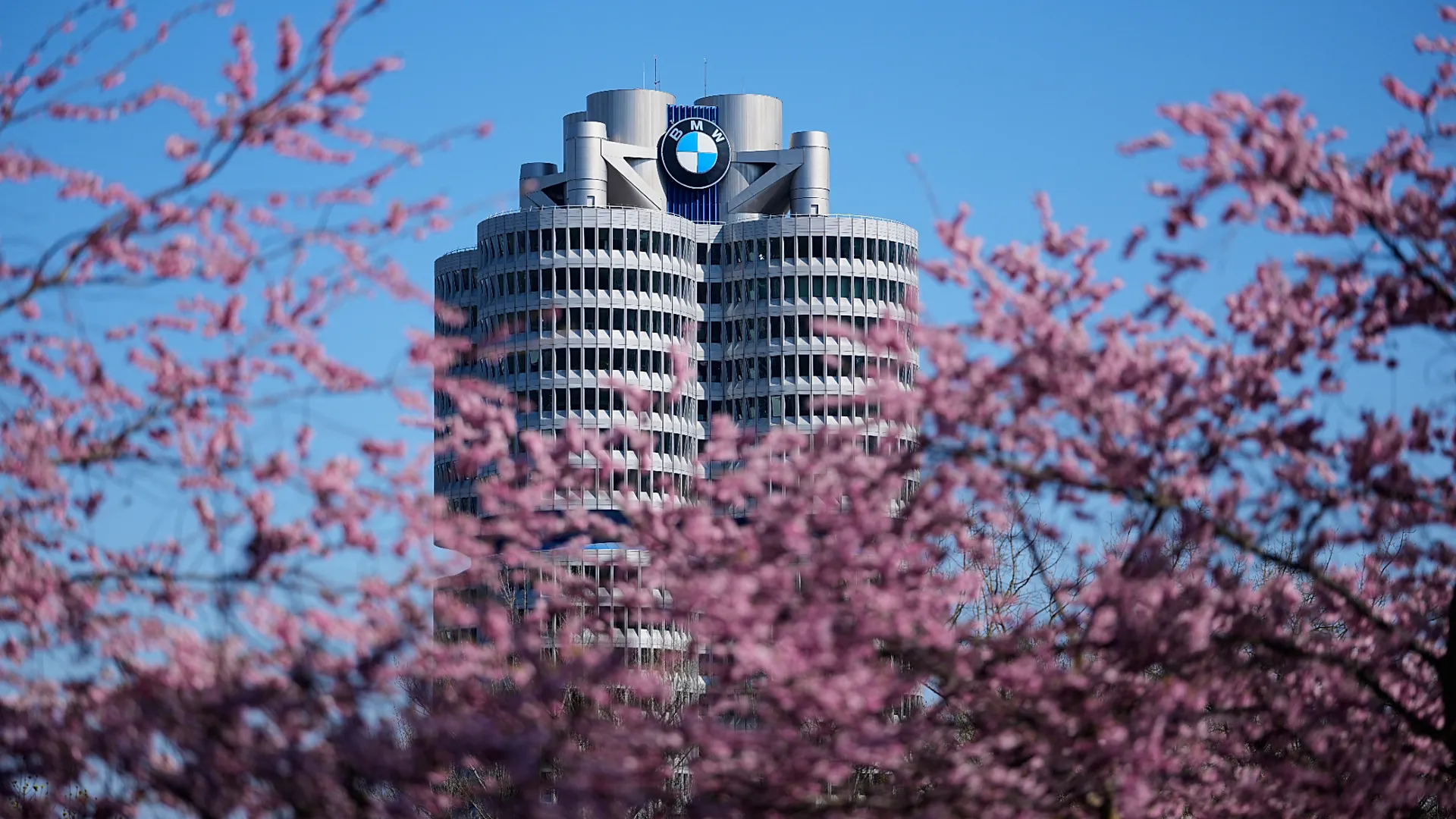
China’s slowdown and Middle East tensions deepen pressure on Europe’s auto industry.
MUNICH, GERMANY — June 2026. BMW has issued a major profit warning for 2026 after weakening demand in China, rising energy costs and deteriorating consumer confidence linked to the conflict in the Middle East. The German luxury automaker now expects a significant decline in pretax profit, replacing its earlier forecast of only a moderate reduction. The announcement sent BMW shares down more than 7% in European trading as investors reassessed the company’s outlook.
The Munich-based group, which owns the BMW, MINI, Rolls-Royce and BMW Motorrad brands, said market conditions had deteriorated more sharply than anticipated. Management also cited the financial impact of restructuring measures intended to reduce costs and adapt the business to a more difficult operating environment. Those initiatives are expected to create additional short-term expenses during the second half of the year.
China remains the company’s most serious commercial challenge. BMW said demand in the world’s largest automotive market had weakened further as competition intensified among domestic and international manufacturers. Chinese companies have expanded rapidly in electric vehicles and are applying increasing pressure through lower prices, faster product cycles and advanced digital features.
The slowdown is particularly important for BMW because China has long been one of its largest and most profitable markets. Luxury European manufacturers previously benefited from strong demand among Chinese consumers, but economic uncertainty and the rise of domestic brands have altered that landscape. The company now expects global vehicle deliveries to decline slightly compared with last year, abandoning its earlier forecast that sales would remain stable.
BMW reported that demand had improved in Europe and the United States, but those gains were insufficient to compensate for the deterioration in China. The imbalance illustrates the risks facing global automakers whose profitability depends on several large regional markets performing simultaneously. Stronger sales in Western economies cannot easily offset a major contraction in a market of China’s scale.
The conflict involving Iran has added another layer of pressure. BMW said the crisis had produced a greater impact than expected by keeping energy prices elevated and weakening consumer confidence. Higher fuel, electricity and transportation costs affect both manufacturing expenses and the willingness of households to purchase expensive vehicles.
Economic uncertainty can be especially damaging to the premium automotive segment because consumers may postpone major purchases when they fear inflation, recession or employment instability. Luxury vehicles often carry higher financing, insurance and operating costs, making demand sensitive to changes in interest rates and disposable income. Analysts said the Middle East conflict had therefore affected BMW not only through production costs but also through reduced appetite for its products.
The company now expects pretax profit to fall substantially from the €10.2 billion recorded last year. BMW had previously predicted only a moderate decline, making the revised forecast a significant deterioration in its financial outlook. Investors responded quickly to the scale of the change, pushing the company’s share price sharply lower.
Profitability targets for the automotive division have also been reduced. BMW now forecasts an earnings-before-interest-and-taxes margin of between 1% and 3%, compared with its previous guidance of 4% to 6%. The expected return on capital employed has been lowered to between 1% and 5%, down from the earlier range of 6% to 10%.
These revisions suggest that the company faces pressure from several directions at once. Lower sales reduce revenue, while intense competition limits pricing power and higher energy costs increase operating expenses. Restructuring may eventually improve efficiency, but the initial implementation creates additional charges that weigh on earnings before the benefits are fully realized.
BMW plans to accelerate its current cost-reduction programs through structural and efficiency measures. Management has not yet provided a complete public breakdown of how those changes will affect production, employment or individual business units. The company indicated, however, that the transformation must proceed rapidly because market conditions have deteriorated beyond its previous expectations.
Milan Nedeljković, chairman of BMW’s management board, said the company would adapt its structures and processes to the dramatic decline in market conditions. He emphasized that speed and efficiency would be central to the response. The statement signaled a stronger focus on internal discipline as the manufacturer attempts to protect cash flow and profitability.
Industry analysts said BMW’s warning reflects a broader crisis facing European automakers. Manufacturers across the continent are confronting weak demand, expensive energy, regulatory pressure and fierce competition from Chinese electric-vehicle companies. The transition toward electrification also requires large investments in software, batteries and production systems at a time when traditional vehicle margins are under pressure.
European brands must continue funding electric-vehicle development while maintaining combustion-engine operations in markets where the transition remains uneven. That dual burden increases complexity and costs, particularly when sales growth slows. Companies that once relied on premium pricing and established brand loyalty are now being forced to reduce expenses and accelerate innovation.
Despite the revised outlook, BMW continues to expect more than €2.5 billion in free cash flow from its automotive business. The company also maintained its dividend payout target of between 30% and 40% of net profit attributable to shareholders. Its existing share-buyback program remains unchanged, indicating that management is attempting to preserve investor confidence despite the warning.
The decision to maintain shareholder distributions could provide some stability, but it also places greater importance on BMW’s ability to generate cash under difficult conditions. A prolonged slowdown in China or further increases in energy costs could test those commitments. Investors will be watching closely for evidence that the restructuring measures can deliver meaningful savings without damaging product development or long-term competitiveness.
BMW is scheduled to release its half-year financial results on July 30, when the company is expected to provide more detail on regional sales, restructuring costs and the performance of its automotive division. The report will also offer a clearer indication of whether conditions in China are stabilizing or continuing to deteriorate. Market participants will examine any revisions to production plans, investment priorities and cash-flow expectations.
The profit warning demonstrates how quickly geopolitical tension and regional economic weakness can affect a global manufacturer. BMW remains one of Europe’s most valuable automotive brands, but the company is operating in an industry undergoing profound technological and competitive change. Its immediate challenge is to protect profitability while adapting to a market in which China, energy prices and consumer confidence have all become less predictable.
At Phoenix24, markets reveal the pressure behind every corporate decision.