

 Phoenix 24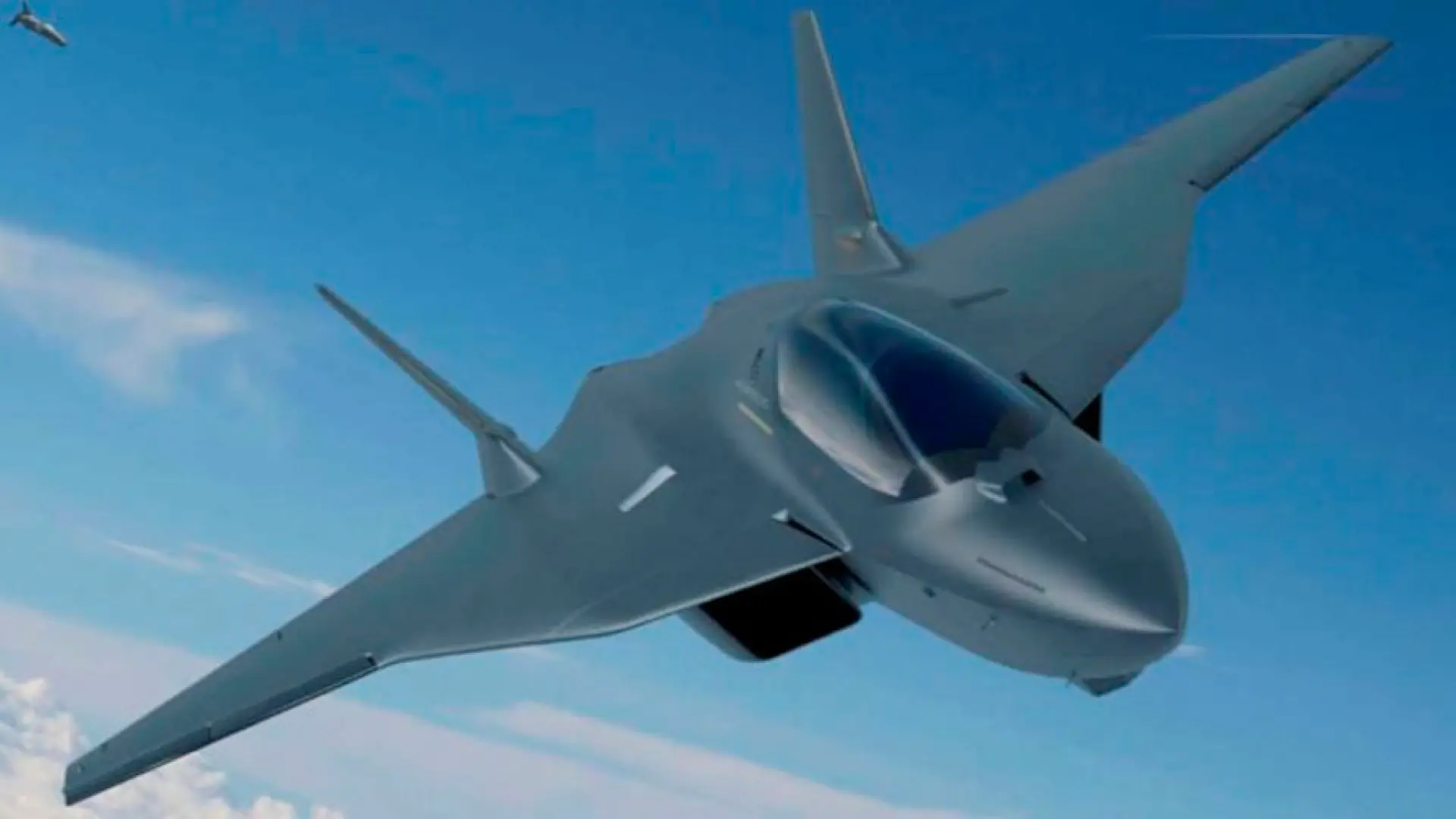
Industrial rivalry defeated strategic ambition.
Paris, June 2026. One of Europe’s most ambitious defense programs has suffered a major setback after France and Germany abandoned their joint effort to develop the Future Combat Air System (FCAS), a sixth-generation fighter project valued at roughly €100 billion. The decision marks the collapse of a flagship initiative that was intended to become the cornerstone of European defense autonomy and a symbol of the continent’s ability to compete technologically with the United States and China.
Originally launched as a trilateral effort involving France, Germany and later Spain, FCAS was envisioned as far more than a next-generation aircraft. The program sought to integrate manned fighter jets, autonomous drone swarms, advanced sensors, artificial intelligence and a digital combat cloud capable of connecting assets across land, sea, air and space. European leaders frequently presented the project as the future of continental military power and a cornerstone of strategic independence.
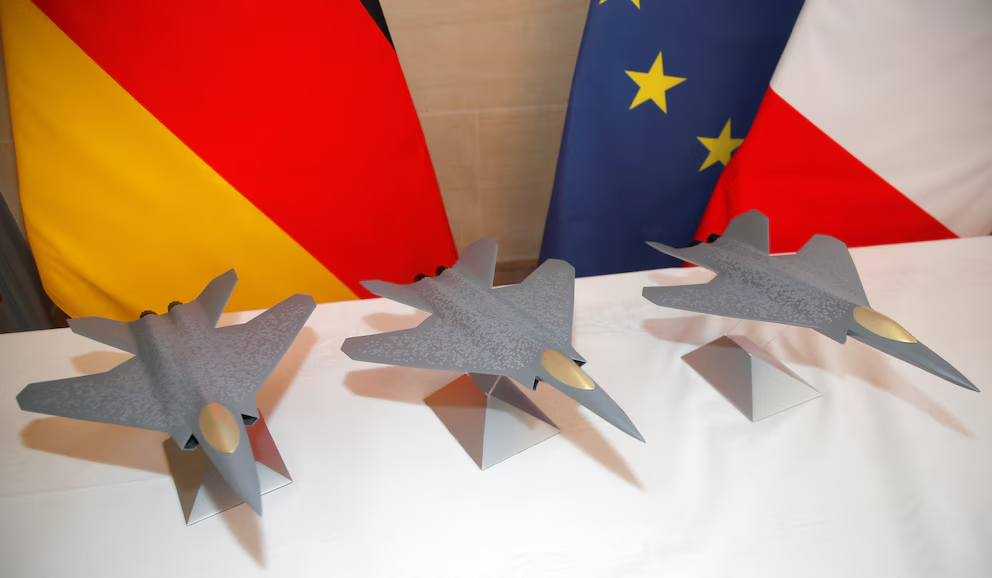
The collapse did not emerge from a lack of funding or political rhetoric. Instead, years of disputes between major defense contractors gradually undermined the project. Conflicts over technological control, intellectual property rights, leadership responsibilities and industrial workshare created tensions that repeatedly delayed progress. What began as technical disagreements eventually exposed deeper national interests that proved impossible to reconcile.
France and Germany also approached the future battlefield from different strategic perspectives. Paris prioritized requirements linked to its nuclear deterrent capabilities and carrier-based operations, while Berlin focused on operational concepts aligned with its own defense doctrine and industrial priorities. These differences transformed what appeared to be an engineering challenge into a broader contest over sovereignty, influence and leadership within Europe’s defense sector.
For the European Union, the implications extend well beyond aviation. FCAS had become a flagship example of the continent’s ambition to reduce dependence on external military suppliers while building indigenous technological capabilities. Its failure raises uncomfortable questions about Europe’s ability to execute large-scale strategic projects even when political leaders broadly agree on the security challenges facing the continent.
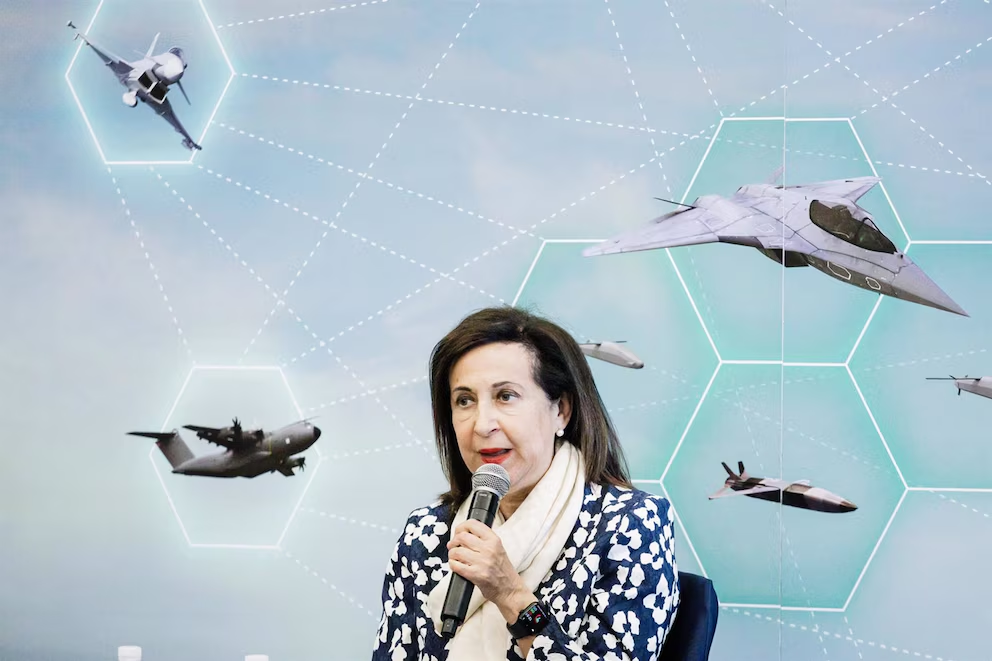
The timing is particularly significant. European governments are increasing defense spending amid heightened security concerns, instability along NATO’s eastern flank and uncertainty surrounding the future architecture of transatlantic security. At the very moment Europe seeks greater strategic cohesion, one of its largest collaborative defense programs has fractured under the weight of competing national interests.
Although some collaborative technologies developed under the FCAS umbrella may survive in separate initiatives, the original vision has effectively been dismantled. The lesson is stark: Europe’s challenge is no longer recognizing the need for strategic autonomy. The challenge is proving that its major powers can cooperate long enough to build it. In the end, industrial competition achieved what geopolitical rivals could not—it grounded Europe’s most ambitious fighter project before it ever took flight.
Geopolitics, unmasked. / Geopolítica, sin maquillaje.