

 Phoenix 24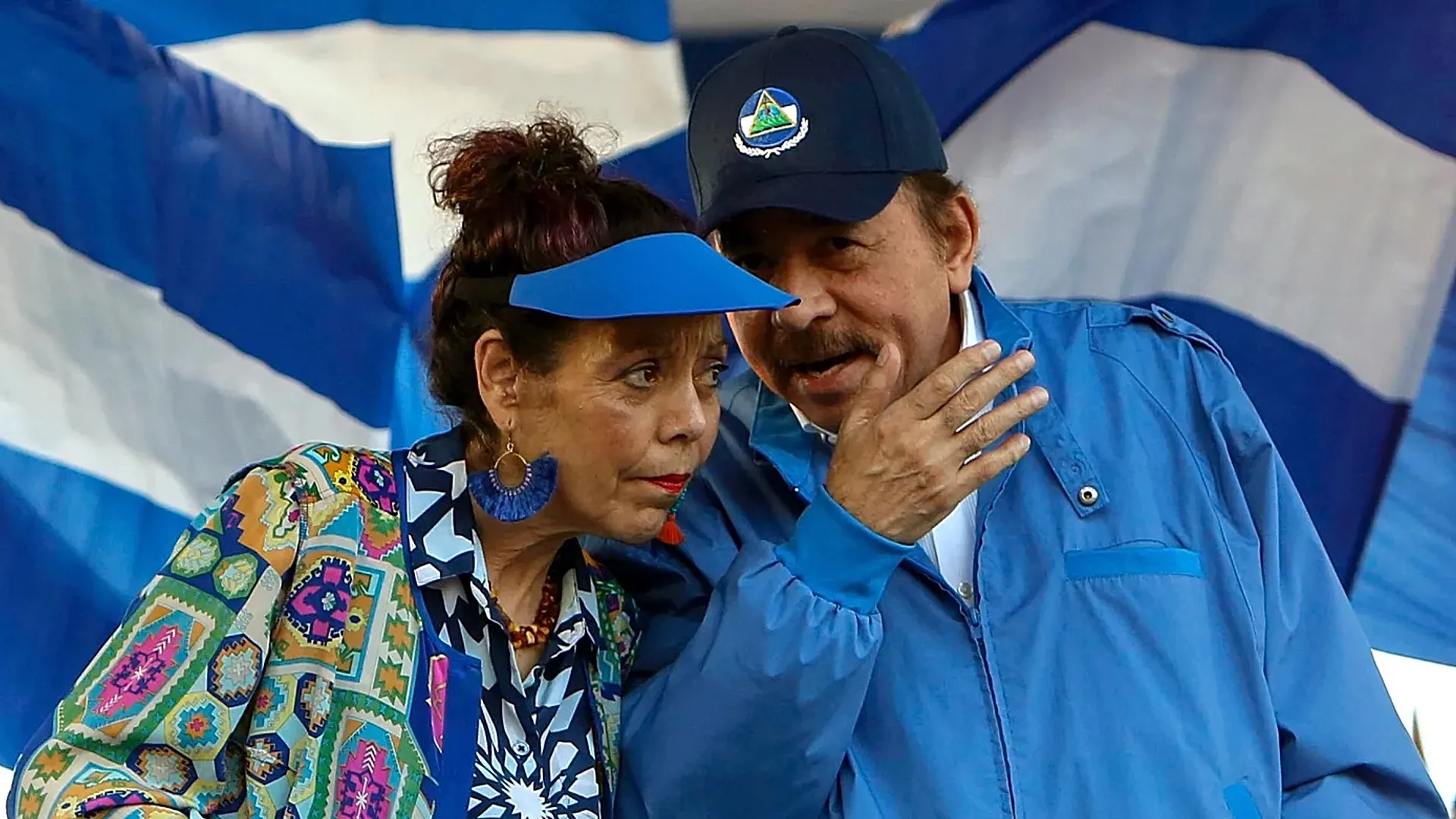
An opposition leader’s death reshapes diplomacy.
Washington, June 2026. The United States has intensified its pressure campaign against Nicaragua by imposing new restrictions on more than one hundred officials linked to the government of Daniel Ortega and Rosario Murillo. The move comes amid growing international concern over the country’s human rights record and follows the death in custody of prominent Indigenous opposition leader Brooklyn Rivera, a case that has drawn renewed scrutiny toward Managua.
The measures represent one of Washington’s most significant diplomatic actions against Nicaragua in recent months. U.S. authorities argue that the targeted officials are connected to state structures accused of enabling political repression, restricting civil liberties, and suppressing dissent. The decision reinforces a broader strategy aimed at increasing international costs for individuals associated with the Nicaraguan government while maintaining pressure on the country’s ruling elite.
Rivera’s death has become the focal point of the latest wave of criticism. A historic leader of the Miskito Indigenous community and a key figure within the YATAMA movement, Rivera spent nearly three years in detention before dying while in state custody. Human rights organizations and international observers have questioned both the circumstances surrounding his detention and the limited information released by Nicaraguan authorities throughout the process, turning his case into a symbol of wider concerns about political freedoms in the country.
Since the political crisis that erupted in 2018, Nicaragua has faced increasing isolation from much of the Western world. Sanctions, diplomatic restrictions, and international condemnations have accumulated alongside allegations of opposition crackdowns, media restrictions, closures of civil society organizations, and institutional reforms that have concentrated power around the presidential circle. For Washington, the issue extends beyond domestic governance and has become part of a broader regional debate over democratic resilience and authoritarian consolidation in Latin America.
The geopolitical dimension adds further complexity. Nicaragua has strengthened relations with countries such as China and Russia while seeking alternative economic and political partnerships outside traditional Western frameworks. As strategic competition intensifies across the hemisphere, Washington’s actions reflect not only human rights concerns but also a broader effort to maintain influence in a region increasingly shaped by competing global powers.
While the new restrictions are unlikely to alter Nicaragua’s political structure in the short term, they deepen the country’s international isolation and reinforce scrutiny of its leadership. Rivera’s death has evolved from an individual tragedy into a diplomatic flashpoint, ensuring that Nicaragua remains under the spotlight as tensions between Managua and Washington continue to escalate.
Information that anticipates futures. / Información que anticipa futuros.