

 Phoenix 24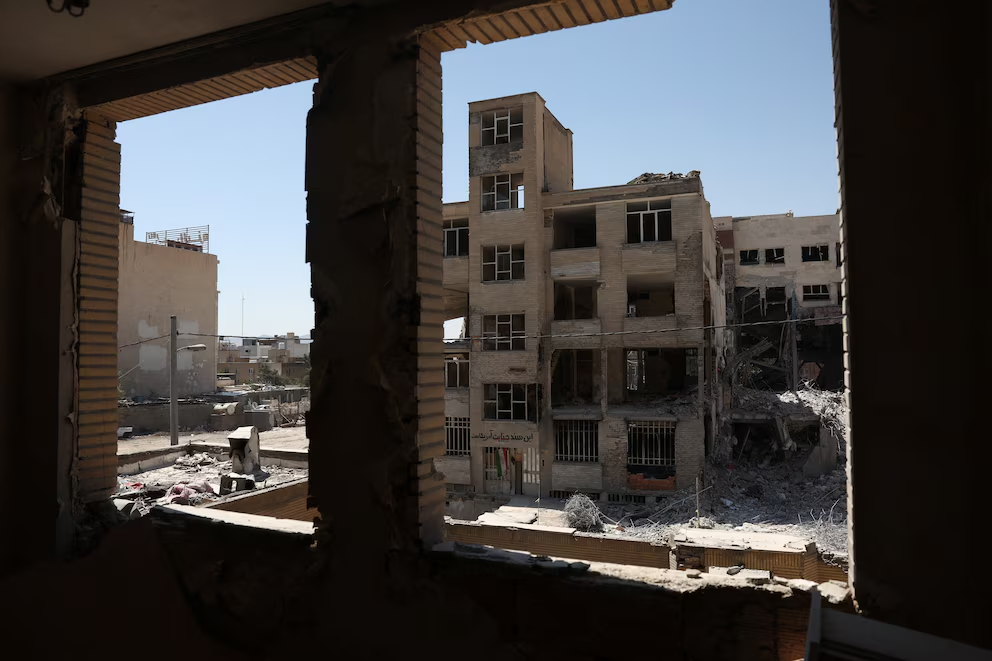
The ceasefire holds, but tensions remain.
Jerusalem, June 2026. Iran and Israel have announced an end to the latest round of hostilities following the most serious confrontation since the ceasefire established earlier this year. The exchange of missile attacks and retaliatory strikes raised fears across the region that the fragile balance achieved after April’s truce was beginning to collapse. While both governments signaled a willingness to halt immediate military operations, neither side altered its strategic posture or softened its rhetoric.
The latest crisis unfolded after a series of military actions linked to the broader regional confrontation between Israel and Iran’s network of allies. What began as localized military operations quickly evolved into direct exchanges that threatened to expand beyond their immediate targets. The intensity of the confrontation reminded regional observers that the underlying disputes that fueled previous clashes remain unresolved despite repeated diplomatic efforts.
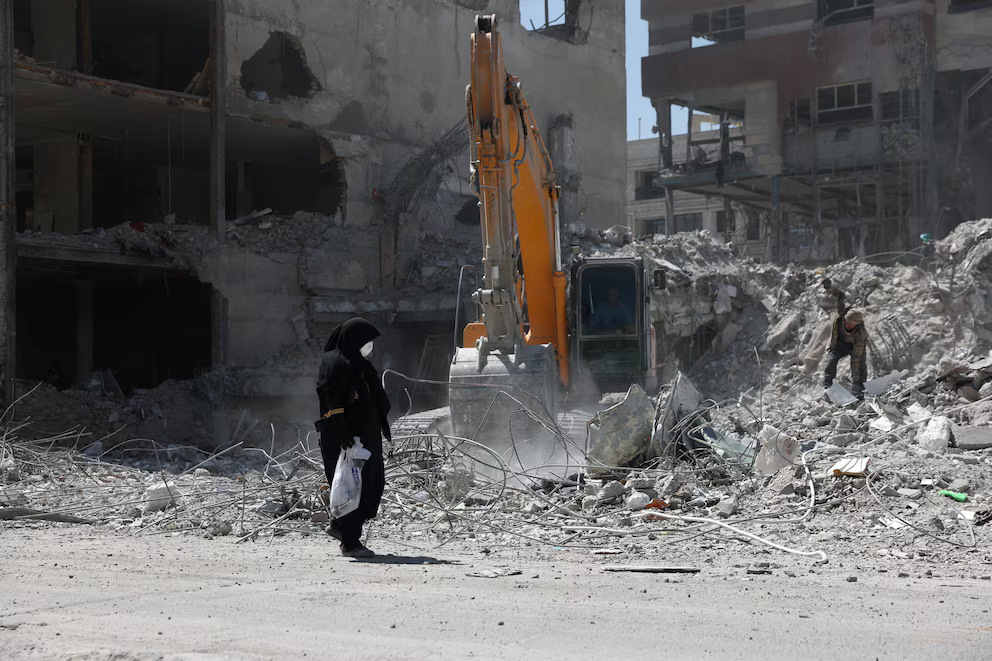
International actors moved rapidly to contain the escalation. Diplomatic channels involving Western governments, regional mediators and security partners worked to prevent the confrontation from evolving into a broader war. The resulting cessation of hostilities reflects a shared understanding that neither side currently benefits from a prolonged military conflict, particularly as economic pressures and regional instability continue to affect strategic calculations across the Middle East.
Yet the ceasefire should not be mistaken for reconciliation. Israel remains committed to countering Iranian military influence throughout the region, while Tehran continues to support a network of partners and allied organizations that it considers essential to its security doctrine. These competing strategic objectives ensure that the confrontation extends far beyond a single exchange of attacks and remains embedded in the broader regional balance of power.
Financial markets reacted immediately to the escalation, particularly in the energy sector. Concerns over potential disruptions to maritime routes and energy exports briefly renewed volatility among investors. Although the announcement of a halt in hostilities eased some of those fears, the episode underscored how quickly regional security crises can influence global economic sentiment.
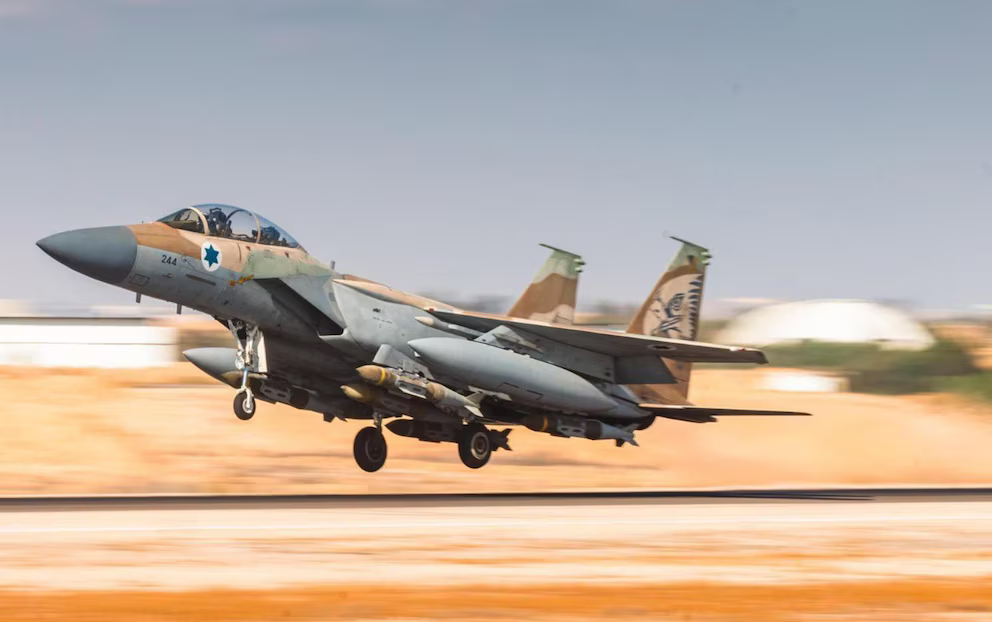
The immediate danger may have receded, but the structural rivalry remains intact. The latest confrontation demonstrated that even temporary ceasefires can be tested by events on multiple fronts, from Lebanon to the Persian Gulf. For now, diplomacy has succeeded in preventing a wider conflict, yet the strategic contest between Tehran and Jerusalem continues to shape one of the world’s most volatile geopolitical arenas.
Geopolitics, unmasked. / Geopolítica, sin maquillaje.