

 Phoenix 24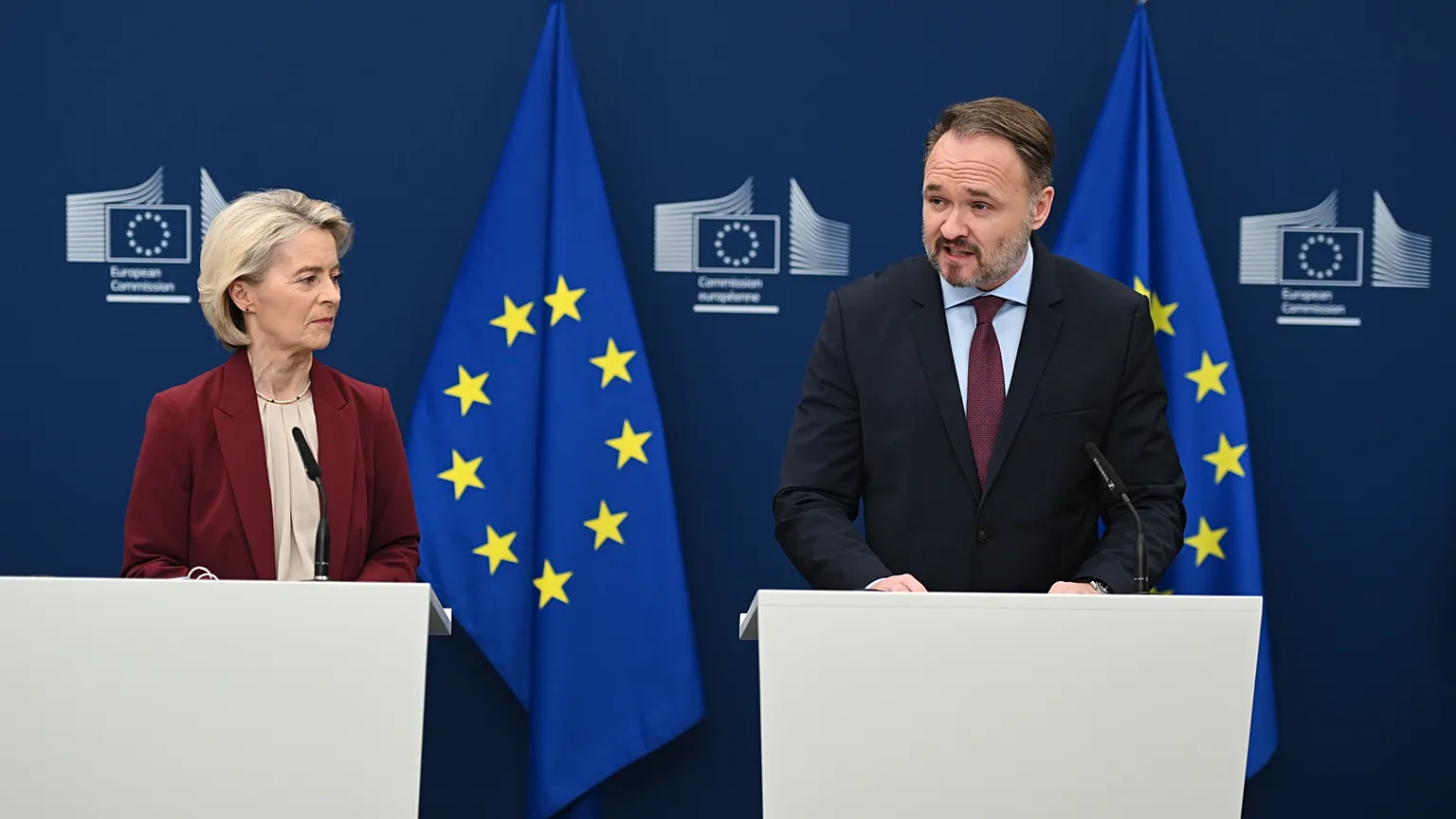
The risk is not immediate shortage, but increasingly expensive security.
Brussels
The European Union is urging member states to reduce gas and electricity demand as unusually low storage levels raise concern ahead of winter. Energy Commissioner Dan Jørgensen has warned national governments that conditions have not improved sufficiently since his first alert in March, even though Brussels does not currently see an immediate threat to security of supply. EU gas storage facilities are around 70 percent full, roughly 12 percentage points below the level recorded at the same time last year. The concern is that a colder winter or further disruption to global supply could rapidly increase both prices and strategic pressure.
The market is already signaling that vulnerability. Europe’s benchmark gas price is trading near €72 per megawatt hour, substantially above levels seen before the latest escalation in the Middle East. Analysts have warned that prices could exceed €100 per megawatt hour during peak winter demand if liquefied natural gas exports from the Gulf fail to increase or Norwegian maintenance keeps supply constrained. Europe is therefore entering winter with a more resilient energy system than before Russia’s invasion of Ukraine, but not with comfortable margins.
Brussels is encouraging governments to revive some of the voluntary measures used during the 2022 energy crisis. These include reducing electricity consumption during peak hours, shifting demand through smart meters and flexible retail tariffs, limiting temperatures in public buildings, restricting outdoor heating and switching off nonessential public lighting at night. Lower electricity use can also reduce gas consumption because many European power plants still rely on gas generation when demand rises.
The Commission is also discouraging governments from aggressively filling storage facilities at any price. Instead of racing toward the traditional 90 percent target, national authorities are being encouraged to consider whether approximately 80 percent could provide adequate security while avoiding panic purchases. Buying huge volumes of gas into an already tight global market could itself push prices higher and worsen the financial burden on consumers.
The strategy reveals a shift in Europe’s energy challenge. During earlier phases of the crisis, the central political concern was protecting households and businesses from expensive bills. Brussels is now also emphasizing consumption because demand itself can affect the physical availability of supply.
Europe may ultimately have enough gas to navigate the winter. The more difficult question is what price governments, companies and households will have to pay to secure it.
Información que anticipa futuros. / Information that anticipates futures.