

 Phoenix 24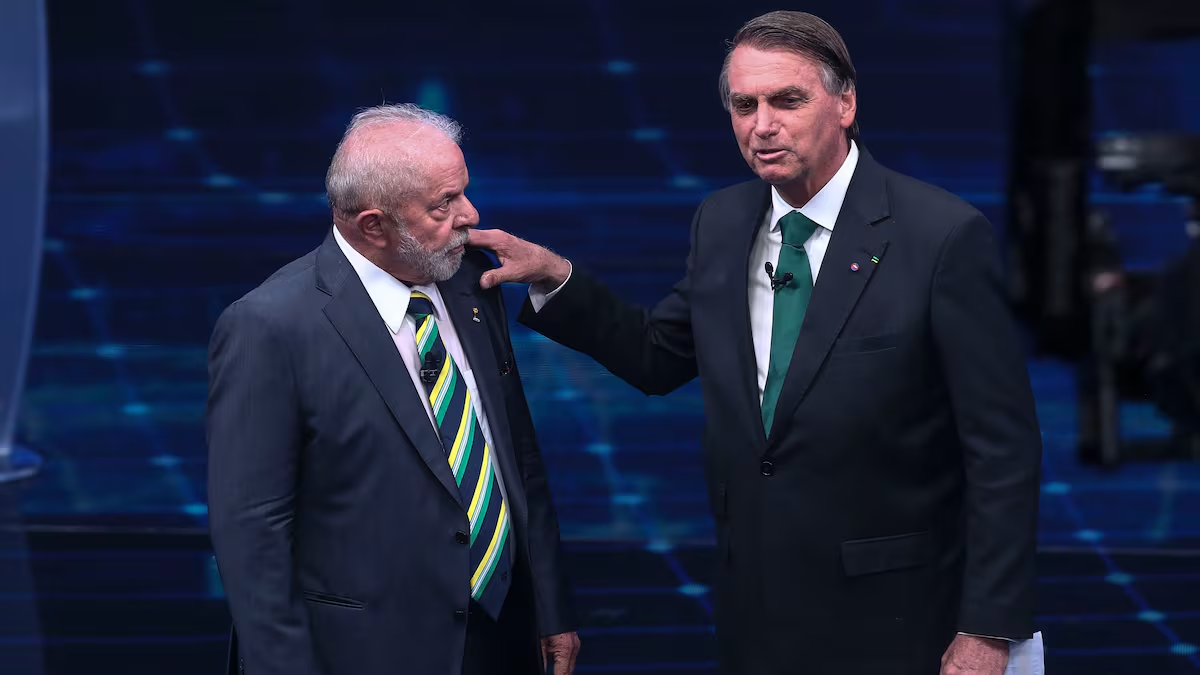
A polarized country approaches a vote with no clear advantage.
Brasília
Brazil has entered the final week before its October 4 presidential, legislative and regional elections with President Luiz Inácio Lula da Silva and Senator Flávio Bolsonaro separated by margins that remain within polling uncertainty. Recent surveys show Lula holding a narrow numerical advantage in some scenarios, while others place the two candidates effectively tied in a potential second round. The available polling therefore describes an exceptionally competitive race rather than establishing a clear leader.
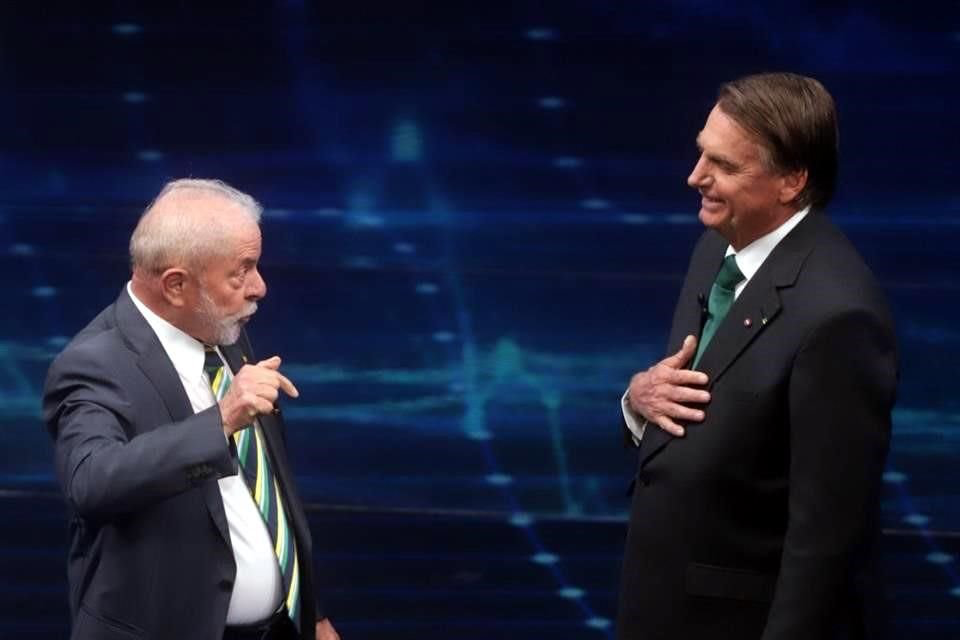
The election has become a confrontation between two political movements that have shaped Brazilian politics for more than a decade. Lula is seeking a fourth nonconsecutive presidential term, while Flávio Bolsonaro carries the political legacy of his father, former president Jair Bolsonaro. Their competition extends beyond personalities into contrasting approaches to social policy, the economy, public security and Brazil’s relationship with international partners. The polarization surrounding the contest has intensified as the campaign enters its decisive stage.
Economic policy has become increasingly prominent. Lula recently announced a ban on online betting operations and introduced additional debt relief measures as his government seeks to address household financial pressures. Earlier in September, the administration also increased benefits under its principal welfare program by 15 percent. These measures are entering the campaign at the same time that Brazil’s government has reduced its 2026 economic growth forecast to 2.0 percent.
The electoral environment also carries an international dimension. Lula used his appearance at the United Nations this month to warn against foreign interference in Brazil’s political process and to defend the autonomy of the country’s electoral institutions. Brazil is simultaneously managing tensions with Washington over trade while avoiding immediate retaliatory measures as negotiations continue. The election is therefore unfolding within a broader debate over sovereignty, economic diplomacy and Brazil’s position in an increasingly fragmented international system.
Public security represents another sensitive issue. Brazilian authorities have taken steps to prevent candidates suspected of connections with organized crime from participating in some races, generating debate over how to protect democratic institutions without weakening due process. The controversy illustrates how concerns over criminal organizations have become intertwined with electoral governance itself.
With one week remaining, the central fact is uncertainty. Polls indicate a close contest and a second round remains a plausible scenario, but voter decisions on October 4 will determine whether either candidate can transform a divided electorate into a governing mandate.
La verdad es estructura, no ruido. / Truth is structure, not noise.