

 Phoenix 24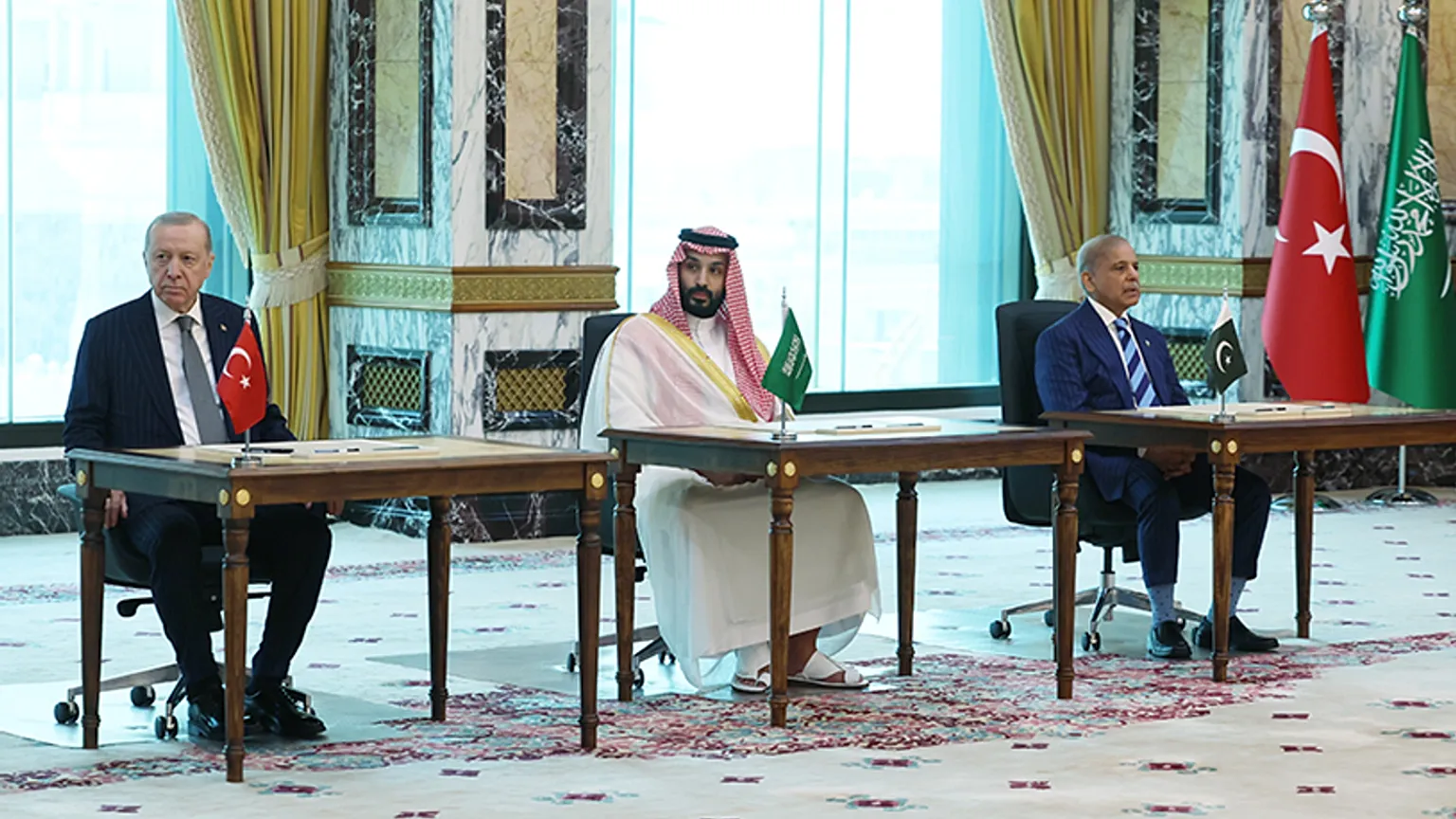
A new defense architecture is taking shape across the region.
Riyadh
The military chiefs of Turkey, Pakistan and Saudi Arabia met in Riyadh to strengthen defense coordination as Houthi attacks from Yemen intensify pressure on the kingdom. The talks focused on intelligence sharing, military cooperation and the integration of defensive capabilities under the Mecca Joint Defence Agreement signed in August. The three countries also reaffirmed their commitment to Saudi Arabia’s security, sovereignty and territorial integrity. The meeting moves their recently established defense framework from political declaration toward operational coordination.
The timing is significant. Houthi forces have expanded attacks against Saudi targets and intensified pressure around strategic areas of Yemen and Red Sea shipping routes, increasing concern over a broader regional escalation. Saudi Arabia has reported attempted strikes against civilian and economic infrastructure, while the Houthis have warned other countries against joining Riyadh militarily. The conflict is therefore developing beyond Yemen’s internal battlefield and increasingly affecting regional security calculations.
The Mecca agreement provides the institutional basis for the trilateral response. Signed by Saudi Crown Prince Mohammed bin Salman, Turkish President Recep Tayyip Erdogan and Pakistani Prime Minister Shehbaz Sharif, it states that an armed attack against one member is considered an attack against all three. Turkish officials have already indicated that Ankara could provide technical military support to Saudi Arabia if required, while Pakistan has emphasized its commitments under the pact without publicly announcing direct combat involvement.
The partnership also reflects a larger strategic realignment. Turkey brings an expanding defense industry and significant drone capabilities, Pakistan contributes one of the region’s largest armed forces, and Saudi Arabia provides financial resources and a central geopolitical position in the Gulf. Their cooperation does not automatically amount to a new military bloc, but it creates a structure capable of coordinating intelligence, deterrence and potentially military responses across several strategic theaters.
Diplomacy has not disappeared from that calculation. Foreign ministers from the three countries have simultaneously emphasized international law, freedom of navigation and efforts to reduce regional tensions. Yet the decision by their military leadership to translate treaty commitments into practical cooperation signals that deterrence is becoming more concrete as the security environment deteriorates.
What is emerging in Riyadh is therefore larger than an emergency meeting. Turkey, Pakistan and Saudi Arabia are testing whether political alignment can become an integrated security mechanism at a moment when the balance of power across the Middle East is again under pressure.
Más allá de la noticia, el patrón. / Beyond the news, the pattern.