

 Phoenix 24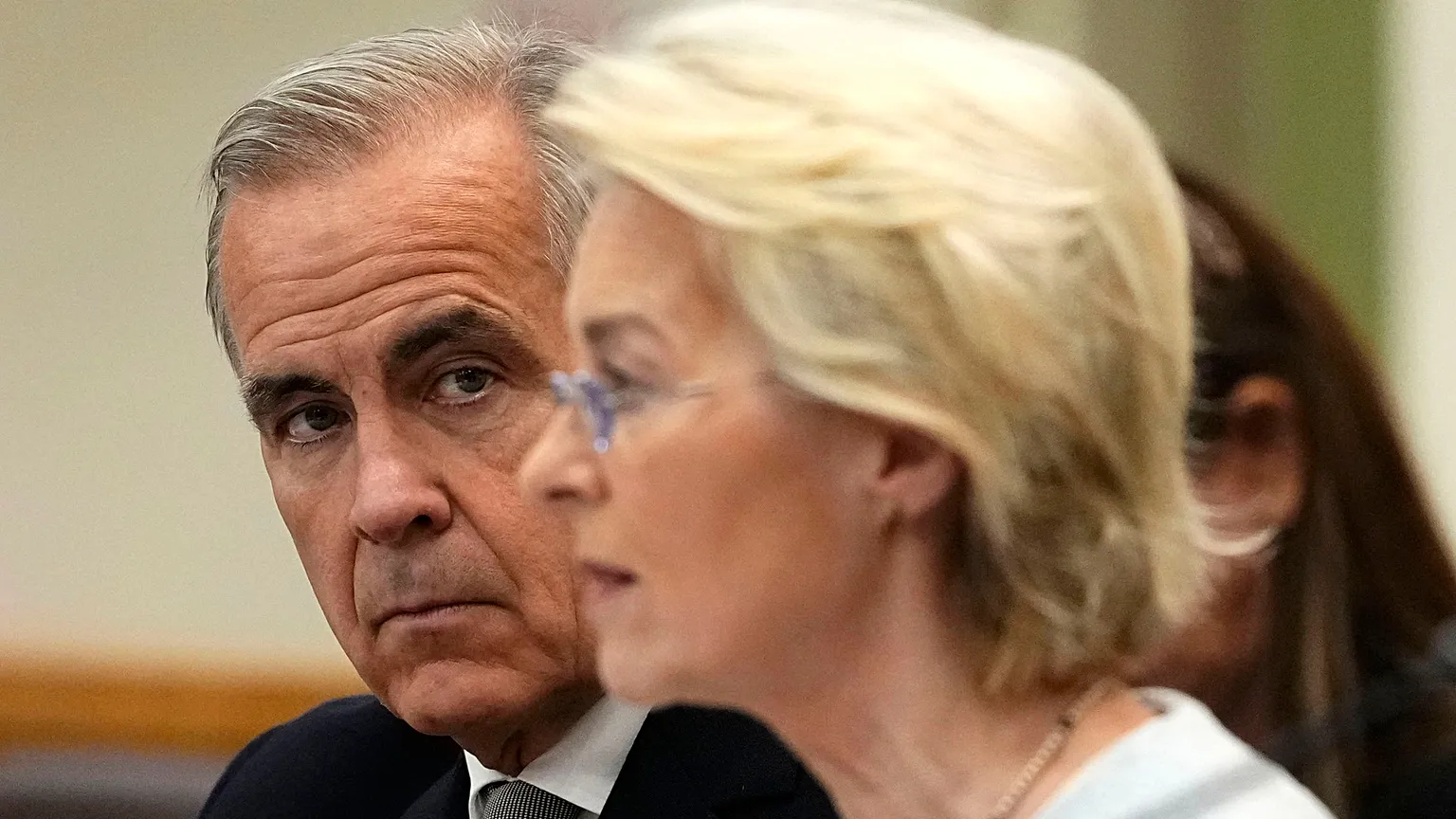
Canada Could Become the EU’s First Associate Member Under a New Strategic Model
Brussels is testing a category between partnership and full membership.
Brussels
The European Union is exploring an unprecedented institutional relationship with Canada that could make Ottawa the bloc’s first “associate member.” The proposal, publicly advanced by European Commission President Ursula von der Leyen, would not make Canada a full EU member. Instead, it would create a deeper framework for economic, technological, defense and geopolitical cooperation beyond existing trade agreements.
The concept is significant because “associate membership” does not currently exist as a defined status in the EU treaties. Its precise rights, obligations and institutional structure would therefore have to be negotiated. Canada would not receive voting rights in the European Parliament or participate in fundamental EU lawmaking as a member state. The objective is integration in selected strategic sectors without transferring the degree of sovereignty associated with full membership.
The relationship would build on an already extensive institutional foundation. Canada and the EU signed the Comprehensive Economic and Trade Agreement and the Strategic Partnership Agreement in 2016. Bilateral trade in goods and services has subsequently expanded sharply, while cooperation has extended into research, climate policy and foreign affairs. Canada also participates in Horizon Europe and, in 2026, became the first non-European country to join the EU’s SAFE defense financing instrument.
The proposed model would go considerably further. Areas under discussion include defense manufacturing, critical minerals, energy, artificial intelligence, quantum computing, cybersecurity, financial services and Arctic cooperation. Canada’s reserves of lithium, nickel, cobalt, copper and rare earth elements are particularly important for European efforts to reduce strategic dependence on China and other concentrated suppliers.
For Canada, the geopolitical logic is equally important. Relations with Washington have deteriorated amid new US tariffs and broader tensions under Donald Trump. The United States nevertheless remains by far Canada’s largest export market, leaving Ottawa with a strong incentive to diversify commercial and strategic relationships.
Geography prevents Canada from pursuing conventional EU membership because the treaties reserve accession for European states. Associate membership could provide an alternative architecture for countries that share many European strategic interests but fall outside that geographic requirement.
Several questions remain unresolved. The EU would need to determine the legal foundation of the arrangement, define regulatory alignment and secure political approval among its 27 members. Existing disagreements over the full ratification of the EU Canada trade agreement demonstrate that deeper integration will not necessarily be automatic.
If the Canadian model succeeds, its significance could extend beyond Ottawa. It may provide Brussels with a new instrument for building structured alliances with countries such as the United Kingdom, Australia, New Zealand, Japan or South Korea without reopening the boundaries of conventional EU membership.
The proposal is therefore about more than Canada. It is an experiment in how Europe might organize strategic partnerships in a world where geography matters less than economic security, technological capacity and geopolitical alignment.
Beyond the news, the pattern.