

 Phoenix 24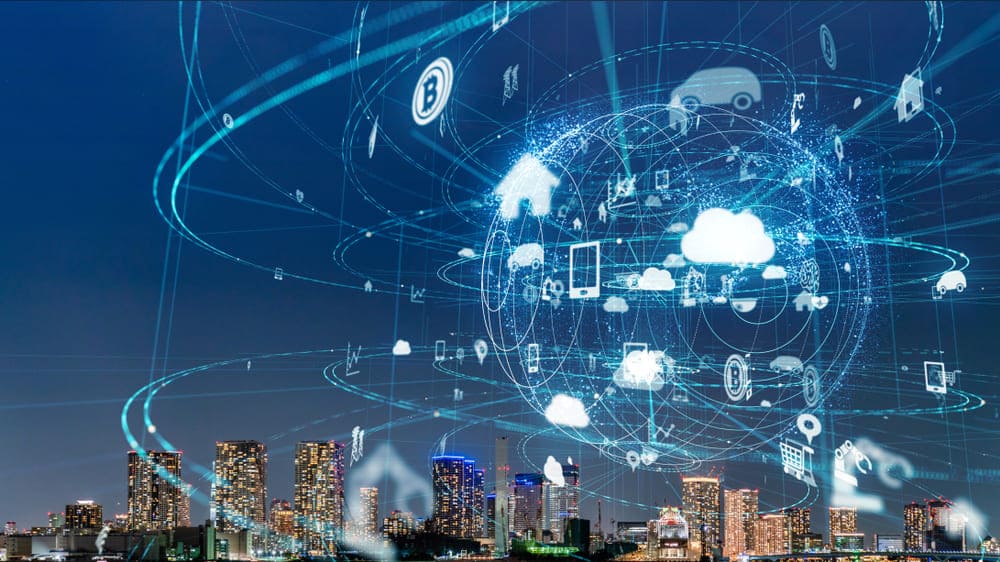
The concept driving the 21st-century economy is no longer measured solely by goods or services but by data, connectivity and the architecture of information.
San Francisco, September 2025
The term digital economy has become one of the most frequently used in business, technology and policy discussions, yet its full meaning is often misunderstood. At its core, the digital economy refers to all economic activity that relies on digital technologies, data flows, networks and platforms. It is not simply a segment of the economy but the infrastructure on which modern societies now function — a transformation that touches everything from how we shop and work to how governments operate and global power is distributed.
According to the Organisation for Economic Co-operation and Development (OECD), the digital economy includes activities enabled by the internet, cloud computing, artificial intelligence, blockchain, and the Internet of Things (IoT). These technologies underpin services as diverse as online retail, financial technology, logistics, healthcare, digital entertainment and smart manufacturing. But the definition goes deeper: the digital economy is also about the creation, circulation and monetization of data — a new form of capital that fuels innovation, influences markets and shapes geopolitical competition.
One of the key features of the digital economy is platformization. Technology giants such as Apple, Google, Amazon, Tencent and Alibaba operate ecosystems where millions of users, businesses and developers interact. These platforms capture and analyze vast amounts of data, which in turn allow them to personalize services, forecast demand and influence consumer behavior at unprecedented scale. Economists argue that this has shifted the balance of power from traditional producers to digital intermediaries, who now control access to markets and audiences.
The rise of digital infrastructure has also redefined employment and labor relations. Remote work, gig platforms and AI-driven automation are reshaping workforce dynamics, creating new opportunities while displacing traditional roles. According to the International Labour Organization, over 30 percent of global workers now participate in some form of digital labor market — a trend that accelerated after the COVID-19 pandemic and shows no sign of slowing. This evolution demands new legal frameworks, from data privacy and cybersecurity laws to updated labor protections.
Financial systems are undergoing similar disruption. Digital payment platforms, decentralized finance (DeFi) and central bank digital currencies (CBDCs) are transforming how value is stored, transferred and regulated. For example, China’s digital yuan pilot project illustrates how states can use digital currencies not only to modernize transactions but also to enhance surveillance and monetary control. Meanwhile, cryptocurrencies and blockchain networks are challenging traditional banking systems by offering borderless, peer-to-peer alternatives.
The geopolitical consequences of this transformation are profound. Nations that control digital infrastructure, standards and supply chains are gaining strategic advantage. The United States and China, for instance, are locked in competition over 5G, semiconductor manufacturing and AI leadership — battles that are as much about economic dominance as they are about national security. The European Union, for its part, has sought to assert digital sovereignty through strict regulations like the General Data Protection Regulation (GDPR) and the Digital Markets Act, aiming to protect citizens’ rights and reduce dependence on foreign tech giants.
However, the digital economy also presents challenges. Data concentration in the hands of a few corporations raises concerns about monopolistic practices, inequality and democratic accountability. Cybersecurity threats, disinformation campaigns and algorithmic bias further complicate the landscape, exposing vulnerabilities that extend far beyond economics. Addressing these issues requires global cooperation and robust governance frameworks that can evolve as rapidly as the technologies themselves.
Despite these risks, the digital economy continues to accelerate innovation, drive economic growth and expand access to knowledge and services. Its reach extends into critical areas such as climate modeling, precision agriculture, personalized medicine and autonomous transportation. In this sense, the digital economy is not merely an economic model but a new layer of civilization — one that is dynamic, contested and deeply embedded in everyday life.
Understanding its logic is no longer optional for policymakers, businesses or citizens. As the lines between the physical and digital worlds blur, the digital economy is becoming the backbone of future societies. Mastery of its mechanisms will determine not just who prospers but who leads in the decades to come.
Phoenix24: clarity in the grey zone. / Phoenix24: claridad en la zona gris.