

 Phoenix 24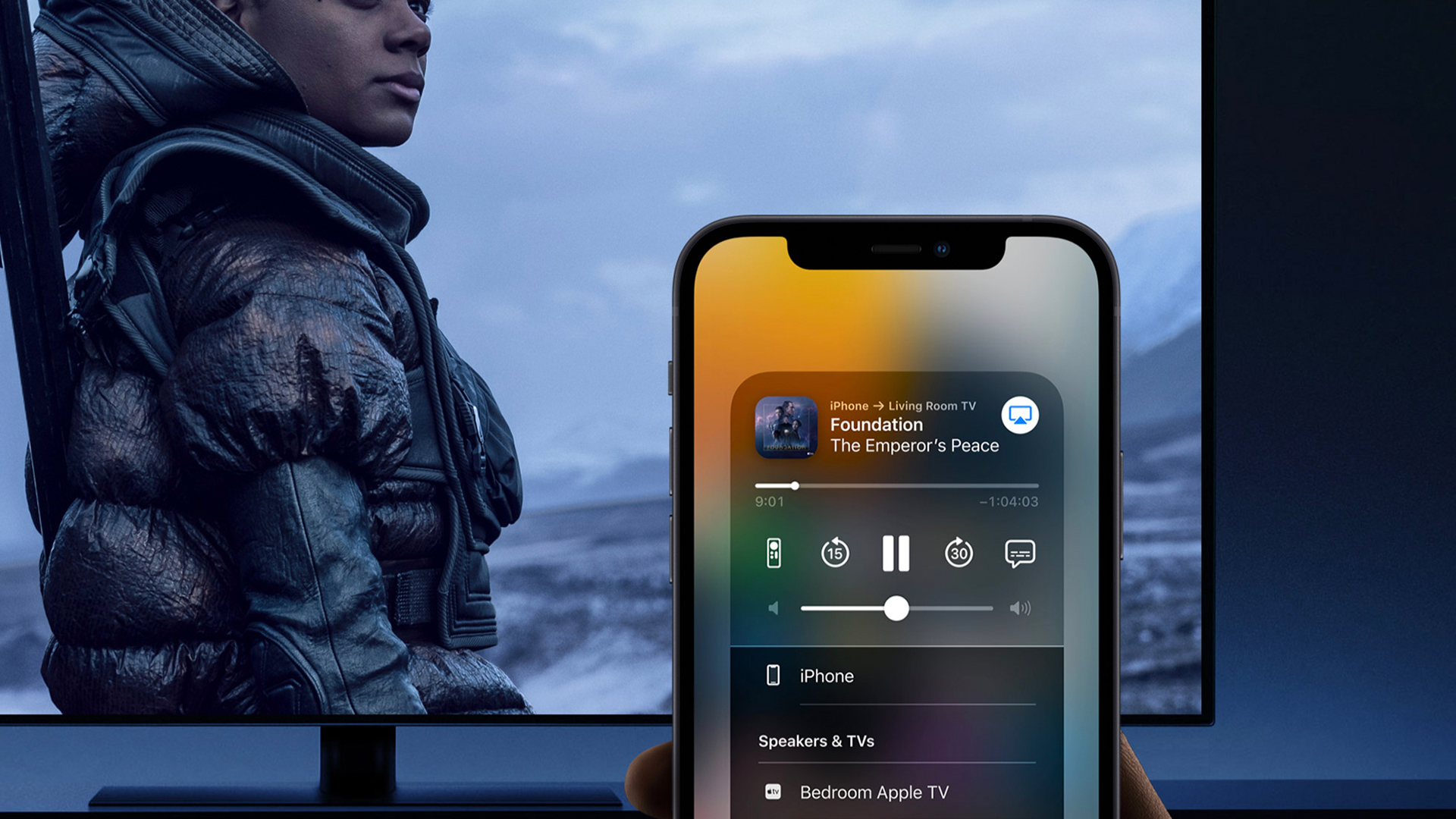
It’s not just convenience, it’s digital control.
Mexico City, May 2026. Mirroring your phone to a television has moved from a niche feature to a daily-use tool, driven by streaming, remote work and content sharing. What looks like a simple action actually depends on compatibility layers between operating systems, wireless protocols and hardware interfaces that determine performance, latency and image quality.
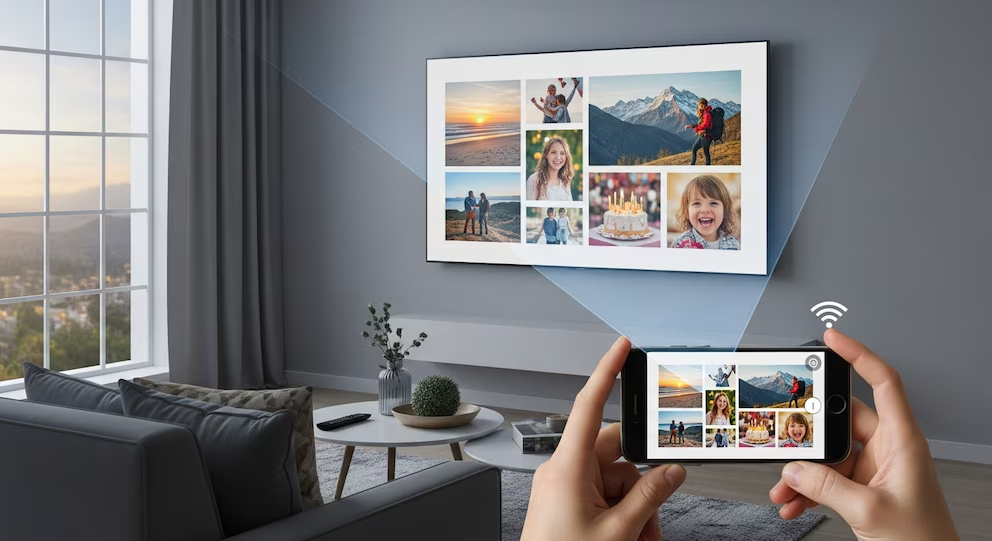
The most accessible route is wireless casting through WiFi. Modern Smart TVs integrate protocols such as Google Cast or AirPlay, allowing smartphones to connect without cables. This method is efficient for streaming platforms, presentations or casual viewing, but it depends heavily on network stability. Weak WiFi signals or network congestion can introduce lag, buffering or disconnections, especially when mirroring the entire screen instead of casting specific content.
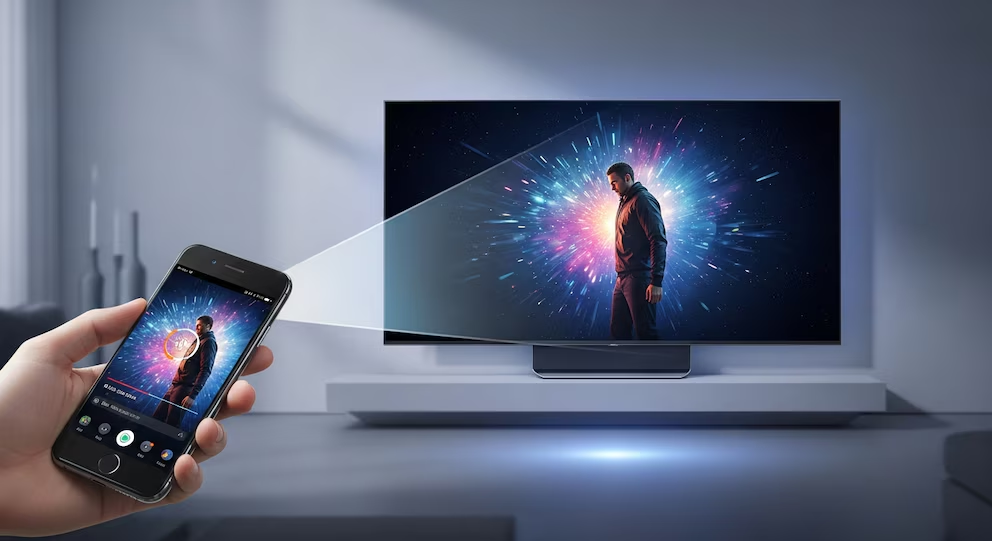
When compatibility is limited, external streaming devices become a bridge technology. Devices like Google Chromecast or Apple TV connect via HDMI and create a controlled ecosystem where the phone acts as a transmitter. These systems optimize performance by offloading processing to the device itself, which reduces strain on the phone and improves playback consistency, particularly for high-definition content.
For environments where reliability is critical, wired connections remain the most robust solution. Using HDMI adapters, such as USB-C to HDMI for Android or Lightning to HDMI for older iPhones, eliminates latency and ensures stable transmission. This method is preferred in professional settings like business presentations, classrooms or live demonstrations where interruptions are not acceptable.
A critical distinction shapes the user experience: casting versus full screen mirroring. Casting sends only selected content, like a video or app, while the phone becomes a remote control. Mirroring replicates everything on the screen in real time, including notifications and navigation. The choice between them reflects not just preference, but context, whether the goal is passive viewing or interactive display.
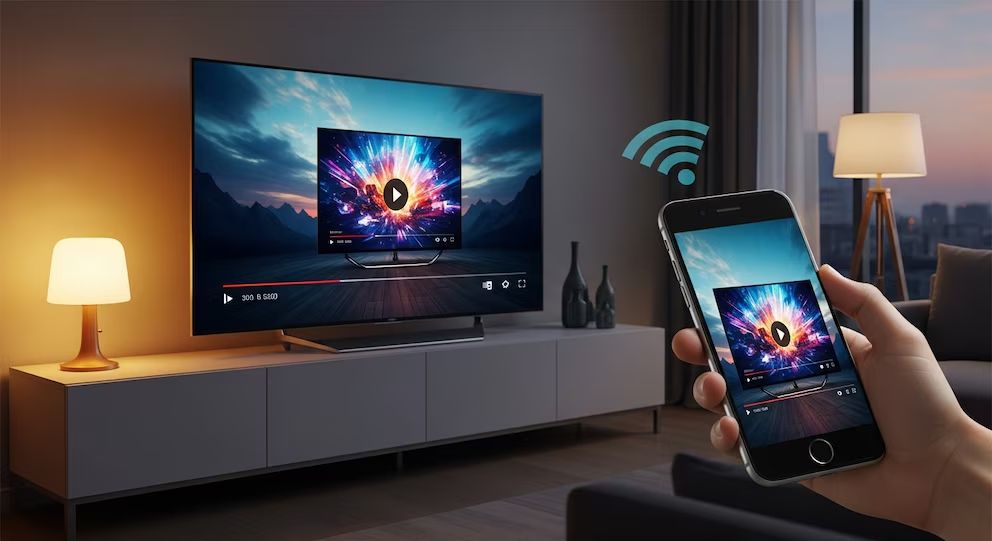
Ultimately, the decision is strategic. Wireless solutions prioritize flexibility and ease, external devices expand compatibility, and wired connections guarantee performance. What appears to be a simple feature is, in reality, a layered interaction between software ecosystems, network infrastructure and user intent.
Phoenix24: intelligence for free audiences. / Phoenix24: inteligencia para audiencias libres.