

 Phoenix 24
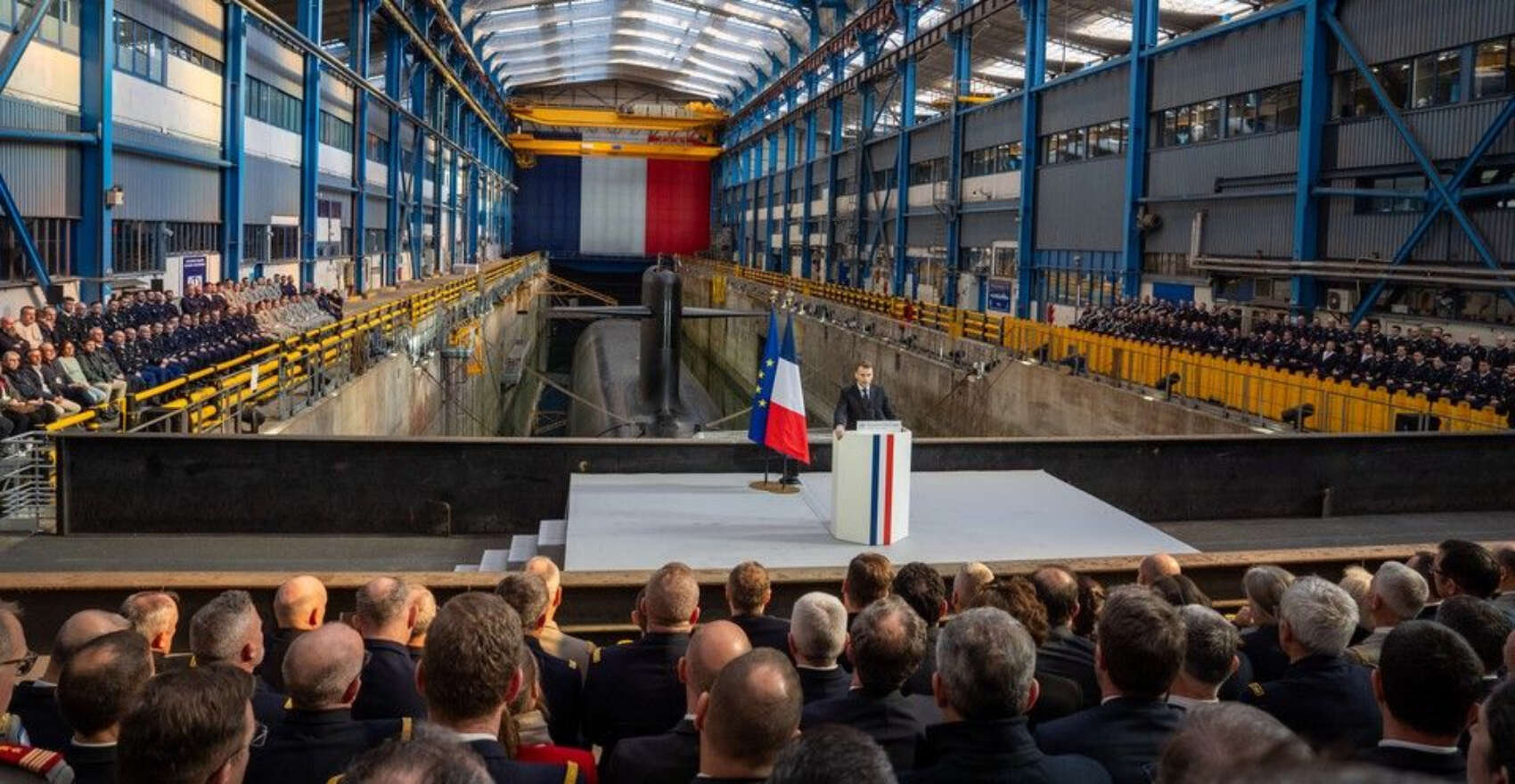
Deterrence is shifting from doctrine to posture.
Paris, March 2026
Emmanuel Macron’s new proposal for an advanced nuclear deterrence framework for Europe is not a routine doctrinal update. It is a strategic signal aimed at a continent that is rethinking defense credibility under pressure from war on its eastern flank and uncertainty around long term US security guarantees. Recent reporting indicates that Macron said France could carry out circumstantial deployments of strategic capabilities tied to nuclear deterrence among European allies, beginning with joint exercises, and that several European countries have shown interest in the initiative.
The political significance lies in how the proposal is framed. Macron is not presenting a transfer of nuclear control, and the French deterrent remains nationally controlled under the authority of the French presidency. What he is doing is widening the operational and diplomatic imagination of deterrence by suggesting visible coordination with allies without formally dissolving the sovereignty boundary that defines France’s nuclear doctrine. Earlier coverage of his doctrinal messaging had already shown that European partners were watching closely amid concerns about Russia and doubts over the reliability of the American nuclear umbrella.
That distinction matters because Europe’s nuclear debate has historically been trapped between two uncomfortable poles: full dependence on the United States or politically implausible rapid strategic autonomy. Macron’s move attempts to create a third space, one where France remains the sole decision maker on nuclear use while Europe gains a stronger deterrent signal through exercises, deployments and doctrinal consultation. In practical terms, this does not create a European nuclear force. It creates a more explicit architecture of reassurance built around French capabilities and French political intent.
The timing is equally important. Macron made the announcement from a French ballistic missile submarine base in Brittany, a choice that reinforces the credibility dimension of the message rather than treating it as a merely rhetorical appeal to European audiences. A deterrence statement delivered from symbolic strategic infrastructure is meant to communicate continuity, readiness and institutional seriousness. His remarks paired a reaffirmation that France would protect its vital interests with the prospect of coordinated deployments and exercises with allies.
For European governments, the proposal opens opportunities and risks at the same time. Countries seeking stronger deterrence signals against Russia may welcome French willingness to operationalize reassurance beyond abstract declarations, especially if it remains transparent toward Washington. Yet others will worry about ambiguity, escalation signaling and internal alliance messaging, particularly if public debate starts to confuse consultation with shared launch authority. Macron has also stressed transparency toward the United States, which suggests Paris is trying to avoid presenting the initiative as a direct alternative to existing NATO nuclear arrangements.
There is also a deeper structural pattern in play. Europe’s defense conversation is increasingly moving from budget arithmetic to questions of strategic psychology: who can credibly deter, under what political conditions, and with what visible posture. Macron’s proposal speaks directly to that psychological layer. Deterrence is not only a matter of warheads and submarines. It is a matter of perceived commitment, signaling coherence and adversary calculation under uncertainty. By introducing the idea of allied exercises tied to French strategic deterrence, Paris is trying to reduce ambiguity for partners while increasing uncertainty for adversaries.
At the same time, the plan will face scrutiny from multiple directions. Atlanticist critics may see it as a risky duplication signal at a moment when alliance cohesion is under stress. Skeptics inside Europe may question whether symbolic deployments can compensate for the absence of shared command structures or broader conventional force integration. Others will support the concept but demand clearer doctrine, clearer consultation mechanisms and clearer red lines before endorsing any deeper role. Those objections do not invalidate the initiative. They confirm that Macron has succeeded in forcing a debate Europe can no longer postpone.
The most important implication is not immediate operational change, but doctrinal normalization. By placing French nuclear deterrence in a more explicit European frame, Macron is pushing discussions once confined to elite strategic circles into mainstream policy space. That shift alone alters Europe’s defense landscape, because once deterrence sharing in political terms becomes discussable, future proposals can move faster under crisis pressure. Whether this becomes a durable pillar of European security or remains an ambitious French signaling exercise will depend on allied uptake, institutional follow through and the trajectory of the wider war environment. For now, what is clear is that France is trying to convert nuclear sovereignty into continental leverage without formally surrendering control.
Geopolítica, sin maquillaje. / Geopolitics, unmasked.