

 Phoenix 24
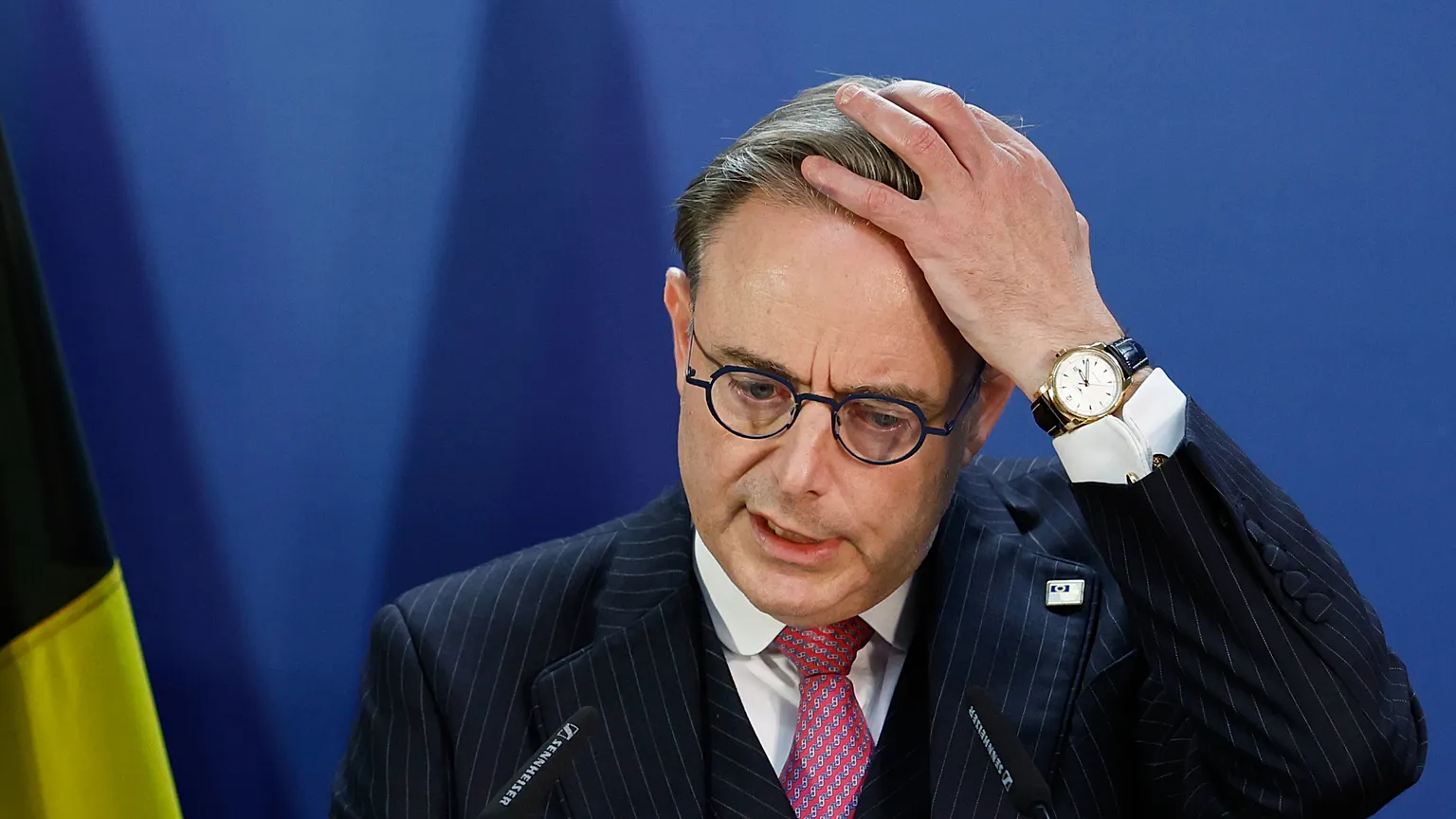
Political survival now depends on compromise, not resignation.
BRUSSELS
Belgium’s King Philippe rejected Prime Minister Bart De Wever’s resignation on Friday, preventing an immediate government collapse and directing the country’s five-party coalition to resume negotiations over its troubled federal budget. The royal intervention provides a temporary political reprieve, but leaves unresolved the financial disagreements that brought the government to the brink of dissolution.
De Wever, leader of the Flemish nationalist New Flemish Alliance (N-VA), submitted his resignation on November 2 after negotiations over Belgium’s 2027 budget failed. Rather than accepting it immediately, King Philippe initiated consultations with coalition leaders to determine whether sufficient political support remained to continue governing.
Following those discussions, the Royal Palace confirmed that all five party leaders had committed to pursuing a credible fiscal agreement and expressed their willingness to make concessions. De Wever was instructed to restart negotiations immediately and report on their progress by November 16.
The dispute centers on how Belgium should address an estimated €10 billion fiscal adjustment needed to stabilize public finances. Coalition partners remain divided over the balance between spending reductions and additional taxation, exposing competing priorities within a government that brings together Flemish nationalists, liberals, Christian democrats and social democrats.
Proposals involving tax increases have encountered resistance from the francophone liberal Reformist Movement (MR), while other governing parties have advocated greater contributions from higher-income groups. These divisions extend beyond accounting decisions, reflecting disagreements over economic competitiveness, social protection and the distribution of fiscal responsibilities.
Belgium’s financial position adds urgency to the political negotiations. European Commission projections indicate that public debt will reach approximately 110.5% of gross domestic product in 2026, while the government deficit is expected to stand at 5.2% of GDP. Higher borrowing costs have increased the pressure to establish a credible fiscal trajectory, particularly as Belgium faces additional commitments in defense spending and other public services.
The broader European dimension is significant. Belgium must reconcile domestic political compromises with European Union fiscal requirements at a time when several heavily indebted member states are confronting similar pressures. Persistent deficits and rising debt-servicing costs can restrict governments’ capacity to respond to economic shocks or finance long-term investments.
Failure to adopt a full budget before the new fiscal year could require Belgium to rely on provisional monthly spending arrangements. Such measures would maintain essential government operations but would not resolve the underlying political disagreements or provide the certainty associated with an approved annual budget.
King Philippe’s decision reflects the constitutional monarchy’s institutional role during periods of political instability. His intervention creates an opportunity for negotiations to continue without immediately triggering a broader government crisis. It does not, however, guarantee that coalition leaders will overcome their differences.
For De Wever, the coming days represent a test of political leadership and coalition management. The prime minister must translate the willingness to compromise expressed before the monarch into an agreement acceptable to parties with distinct economic priorities and constituencies.
Belgium has avoided an immediate governmental rupture, but the central challenge remains unchanged. The next phase will determine whether the coalition can transform political necessity into a workable financial settlement, or whether the current reprieve merely postpones another institutional confrontation.
Behind Every Decision, a Larger Consequence.