

 Phoenix 24
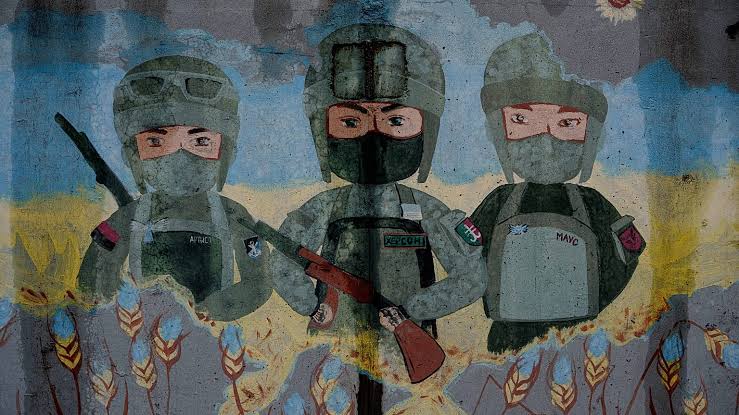
Foreign recruitment exposes a growing human cost beyond Europe’s borders.
BOGOTÁ, COLOMBIA
Colombia has reported 256 citizens dead and 973 missing in connection with the war between Russia and Ukraine, revealing the devastating consequences of foreign military recruitment for a South American country thousands of kilometers from the battlefield. The figures, released by Colombia’s Ministry of Foreign Affairs on Thursday, underscore the international dimensions of a conflict that continues to affect families far beyond Eastern Europe.
According to information received through diplomatic and consular channels, 162 Colombian deaths were reported through Ukrainian authorities and another 94 through Russia. Of the missing citizens, 676 cases were registered through Ukraine and 297 through Russia. The ministry emphasized that these figures remain subject to verification and may change as additional information becomes available.
The humanitarian impact has placed increasing pressure on Colombia’s diplomatic services. Foreign Ministry records show 1,927 requests for consular assistance related to the conflict, including 1,013 associated with Russia and 914 with Ukraine. These requests reflect the difficulties families face when attempting to determine the whereabouts, legal circumstances or physical condition of relatives who traveled abroad and subsequently became involved in military operations.
The reported casualties also reveal the limitations of official accounting during an active conflict. An assessment cited by the Atlantic Council estimates that between 300 and 550 Colombians have died while serving with Ukrainian forces since Russia launched its full-scale invasion in February 2022. The independent estimate differs in scope and methodology from Colombia’s diplomatic records, illustrating why casualty figures from separate sources cannot automatically be treated as equivalent.
Colombia’s involvement in foreign conflicts has attracted attention partly because of the country’s extensive military experience. Decades of internal armed confrontation have produced a considerable population of former soldiers and security personnel with operational training. Some have sought opportunities abroad, where compensation offered for military or security assignments can represent a powerful economic incentive.
Yet the movement of foreign fighters raises difficult questions about recruitment practices, contractual obligations and individual responsibility. While some Colombians may voluntarily enlist in foreign armed forces, others may encounter misleading employment offers or conditions substantially different from those initially presented. These distinctions are essential when evaluating allegations of deceptive recruitment, since participation in a foreign military does not automatically establish mercenary status under international humanitarian law.
Colombia’s government has explicitly distanced itself from the recruitment of nationals for overseas conflicts. The Foreign Ministry stated that it neither promotes nor finances such participation and has formally requested that Russian and Ukrainian authorities take measures to prevent the incorporation of Colombian citizens into their armed forces.
Pedro Agustín Roa Arboleda, Colombia’s vice minister responsible for migration, consular affairs and international protection, said diplomatic missions would continue assisting affected families within their legal authority. The ministry also acknowledged an important limitation: Colombian officials cannot unilaterally cancel agreements signed between private citizens and foreign military organizations.
Concerns about potentially fraudulent recruitment have been referred to Colombia’s Attorney General’s Office for consideration within its jurisdiction. Authorities have simultaneously urged citizens to scrutinize overseas employment opportunities involving military, security or operational activities, particularly when recruiters provide insufficient information about contractual conditions and personal risks.
Beyond the immediate casualties, the situation presents a broader challenge for governments confronting the internationalization of warfare. Recruitment networks, economic vulnerability and the movement of experienced military personnel increasingly connect distant societies to conflicts in which their countries are not formally participating.
For Colombia, the consequences are no longer confined to diplomatic statistics. Hundreds of families remain without definitive answers about missing relatives, while confirmed deaths continue to expose the human cost of decisions made far from home. Establishing the fate of those unaccounted for, supporting affected households and examining recruitment practices will remain central responsibilities as the war continues.
Beyond the Numbers, the Consequences.