

 Phoenix 24
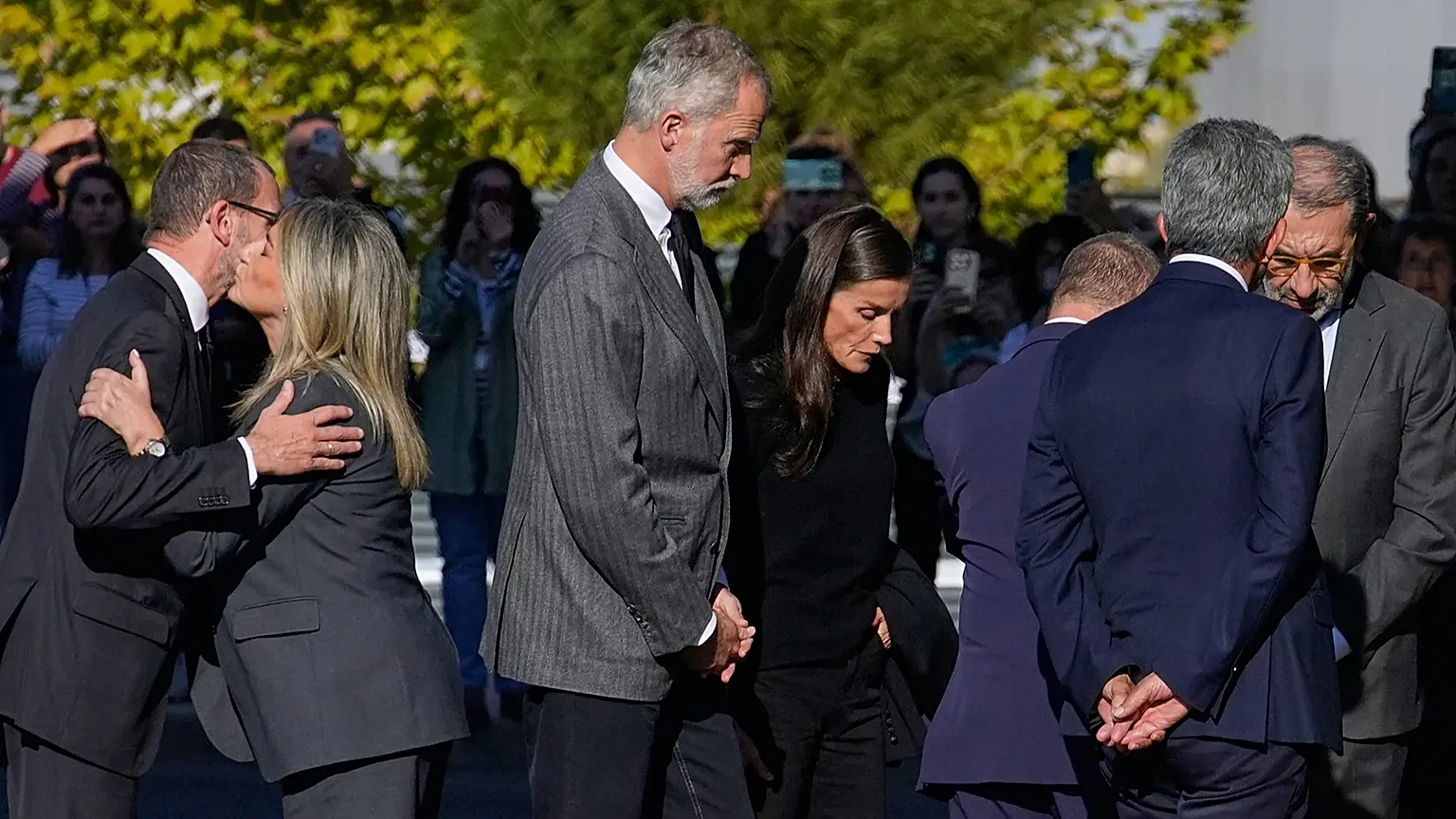
Royal solidarity amid a devastating national tragedy.
TOLEDO, SPAIN
Spain’s King Felipe VI and Queen Letizia visited survivors of the deadly railway collision near Urda, Toledo, on Thursday, offering support to hospitalized passengers, grieving families and medical teams as the country confronts one of its most devastating rail disasters in recent years.
The royal couple arrived at Toledo University Hospital shortly after 3:30 p.m., a day after an Iryo train and a high-speed AVE service collided near the municipality of Urda. According to the latest figures reported by Spanish media, at least 69 people were killed and more than 100 others required hospital treatment following the disaster.
Inside the hospital, Felipe VI and Letizia met patients receiving treatment for injuries sustained in the collision and spoke with relatives struggling to cope with its consequences. At the time of their visit, 15 patients remained in intensive care, while eight others were recovering in regular hospital wards. The monarchs also expressed their appreciation to healthcare professionals whose work has been central to the emergency response.
The visit brought together senior representatives of Spain’s national and regional institutions. Castilla-La Mancha President Emiliano García-Page and Education Minister Milagros Tolón accompanied the royal couple, underscoring the institutional response to a tragedy that has prompted three days of national mourning.
The Spanish Royal Household suspended scheduled official engagements as the scale of the disaster became apparent. Felipe VI had already conveyed his condolences to the victims’ families from a military facility in Bétera, Valencia, where he was attending an official engagement when news of the collision emerged.
Following his hospital visit, the King called for national unity and stressed the importance of establishing the circumstances surrounding the catastrophe. He emphasized that the investigation should determine what happened and help identify measures capable of preventing another disaster.
His remarks placed the investigation alongside the immediate humanitarian response. While emergency services and medical professionals continue caring for survivors, the collision has intensified attention on railway safety, operational procedures and the need for a rigorous examination of the events preceding the crash. The precise causes remain subject to investigation.
For the families affected, however, the immediate concerns extend beyond institutional statements or technical inquiries. Survivors face uncertain recoveries, while relatives of those killed confront the consequences of an unexpected loss. The royal visit offered a public expression of solidarity at a moment when Spain’s attention remains focused on the victims and the communities affected by the tragedy.
As the country observes its period of mourning, the challenge facing authorities is to combine support for survivors with an investigation capable of producing reliable answers and meaningful preventive measures.
Beyond the Headlines, Accountability Matters.