

 Phoenix 24
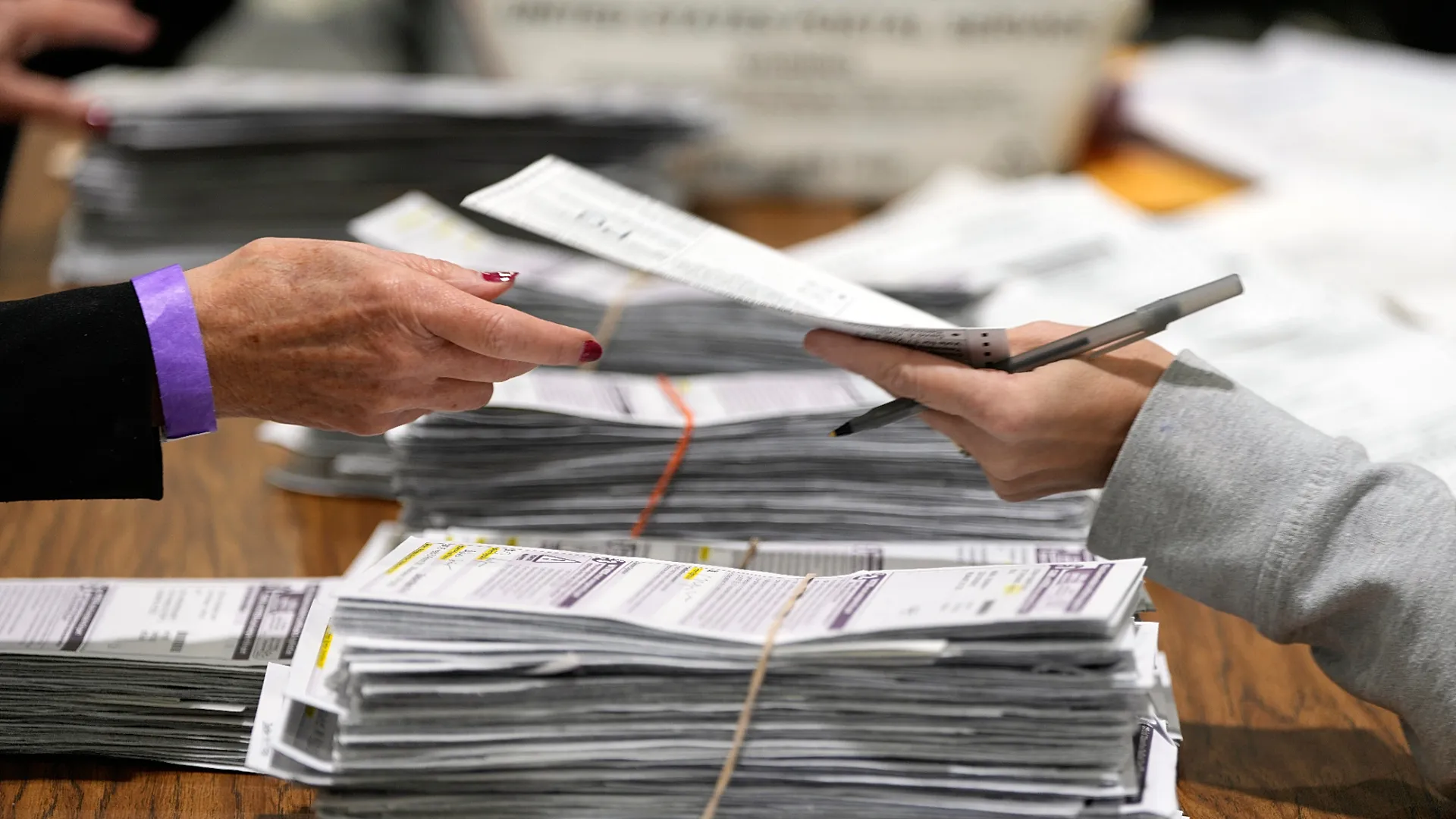
When the calm before the vote arrives, numbers and narratives compete in the quiet.
Mérida, December 2025
On the day officially designated for reflection ahead of the regional elections in Extremadura, the atmosphere across towns, squares and civic spaces carried a stillness uncommon in recent political cycles. After weeks of intense campaigning, public displays and partisan mobilization, voters were encouraged to pause and consider the choices before them without the noise of rallies, slogans or direct appeals. This pause in activity highlights not only a procedural moment but also the cumulative weight of an electoral process that local authorities and analysts describe as historic in both scale and potential impact on the region’s political trajectory.
The elections in Extremadura take place in a context of shifting political alignments and strong voter engagement. Local data compiled by election officials indicates higher registration figures compared with previous cycles, a sign of heightened public interest. Analysts had pointed to demographic changes, economic concerns and social policy debates as catalysts for this unusual momentum. The region, characterized by a mix of urban centers and rural communities, has seen competing narratives about development, public services and the governance paths necessary to address persistent inequalities.
As the day of reflection unfolded, community leaders, civil society groups and independent observers emphasized the importance of civic deliberation. The quiet sidewalks and closed campaign offices offered a contrast to the months of public discourse that preceded them. For many residents, this moment represented an opportunity to weigh the arguments, reconsider priorities and prepare to translate personal conviction into collective choice at the ballot box. Some local commentators framed the pause not as an absence of sound, but as a transition into a phase where decisions are made internally and individually, then expressed through the act of voting.
The electoral field in Extremadura encompasses a wide array of parties and coalitions. Regional lists present candidates who range from established political figures to newcomers seeking to disrupt traditional alignments. Debate over economic diversification, health services, education funding and environmental stewardship has animated public discussion. Polls conducted in the final days before the reflection indicate narrow margins between major parties, suggesting that even small shifts in voter turnout or preference could alter the composition of the regional assembly.
On reflection day, municipal buildings, public squares and local media became focal points for nonpartisan information. Public service announcements reminded citizens of polling locations, voter rights and the importance of informed participation. Community forums and civic circles reopened discussions around policy issues that will shape governance for years to come. Observers noted that this moment of collective thinking was as significant as any speech delivered from a podium in the preceding weeks.
Beyond the immediate political contest, the elections in Extremadura carry symbolic weight. The region’s demographic profile, with its aging population and migration patterns, poses unique governance challenges. Public discourse in the campaign highlighted concerns about rural depopulation, economic stagnation in interior municipalities and the need to balance fiscal responsibility with social investment. These structural debates set Extremadura apart from other regional elections and contributed to the characterization of the process as historic.
As dusk fell across the region on reflection day, families gathered in homes and cafes, discussing the week’s arguments and anticipating the polls that would open the next morning. The silence that enveloped streets was not emptiness but a shared space of consideration, a collective breather before the act of decision that defines democratic participation. For many, it was a reminder that transitions of power, however routine in procedure, reflect ongoing dialogues about identity, prospects and governance.
When ballots are cast and counted, the results will articulate not only political preference but also the underlying currents that shaped public sentiment during this charged cycle. The region awaits with cautious optimism, keen to see how its civic pause translates into electoral expression and which visions will carry authority into the next legislative term.
Phoenix24. The visible and the hidden, in context. / Phoenix24. Lo visible y lo oculto, en contexto.