

 Phoenix 24
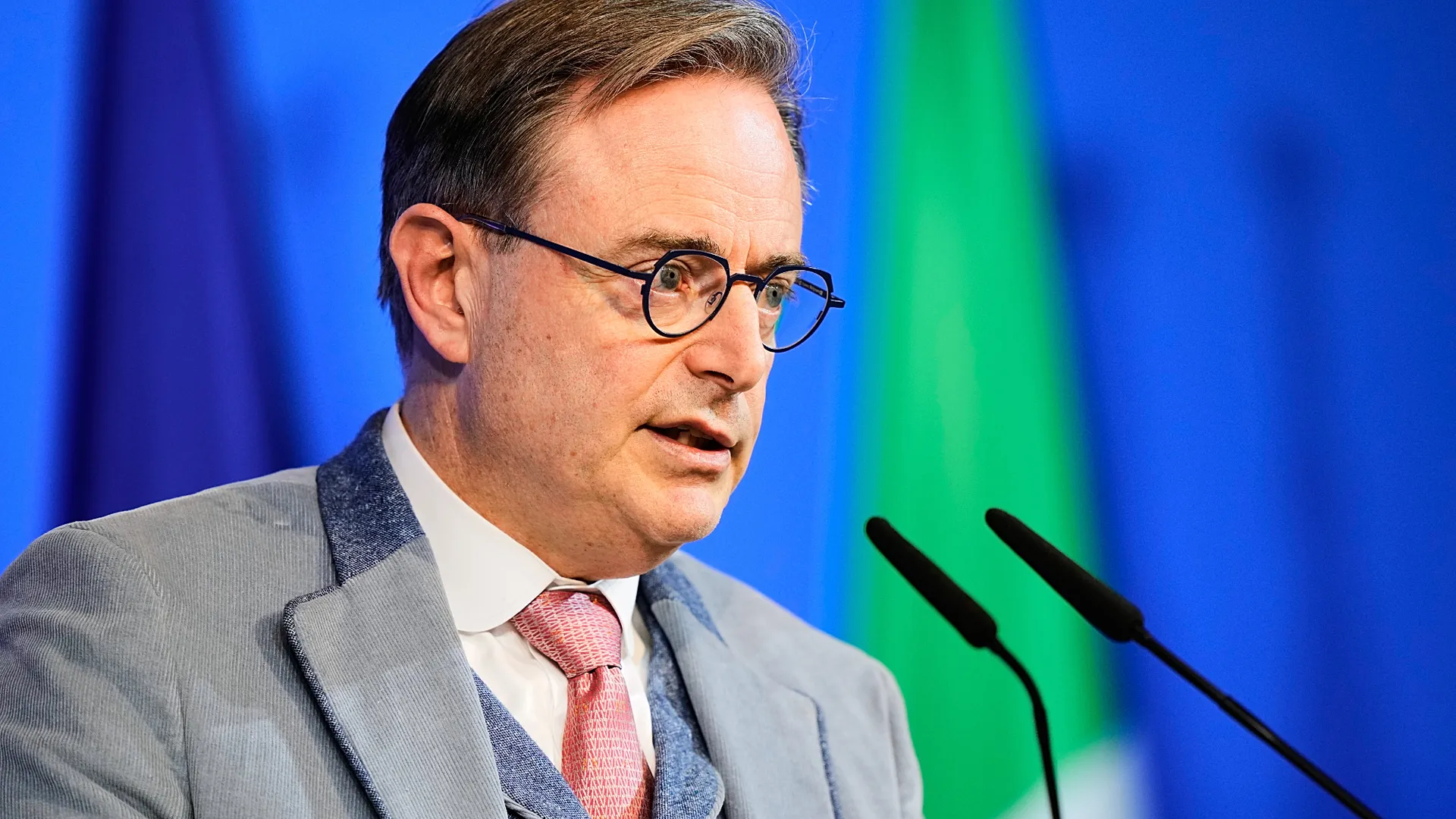
War fatigue reshapes Europe’s strategic debate.
Brussels, March 2026.
Belgian Prime Minister Bart De Wever has stirred debate within European political circles after calling on the European Union to consider negotiations with Russia as a path toward ending the war in Ukraine. His remarks underscore a growing tension across Europe about the long term trajectory of the conflict and the limits of military and economic pressure as tools for resolving it.
De Wever argued that the European Union should seek a formal mandate from its member states to explore diplomatic channels with Moscow. Without such a mandate, he warned, Europe risks being sidelined in future peace discussions that could ultimately determine the outcome of the war. In his view, negotiations may eventually occur regardless of the European Union’s role, particularly if they are driven by other major powers such as the United States.
The Belgian leader framed his position within what he described as Europe’s current strategic constraints. While European countries have provided significant military, financial and humanitarian support to Ukraine since Russia launched its invasion in 2022, he suggested that the European Union alone lacks the leverage necessary to decisively alter the battlefield balance. According to his argument, the tools available to Europe may not be sufficient to force Moscow into a military defeat or a unilateral withdrawal.
This assessment touches on a broader debate unfolding across the continent. Since the start of the war, the European Union has imposed successive rounds of economic sanctions targeting Russian energy exports, financial institutions and political elites. At the same time, European governments have contributed billions of euros in military assistance and humanitarian support to Kyiv while coordinating closely with NATO allies.
Despite these measures, the conflict has gradually evolved into a prolonged war of attrition. Front lines have shifted only marginally in recent phases of the fighting, while both sides continue to mobilize resources for what many analysts now view as a long term confrontation. This strategic stalemate has prompted renewed discussions among policymakers, diplomats and security analysts about whether a negotiated settlement might eventually become unavoidable.
De Wever’s comments also highlight anxieties about Europe’s influence in any future peace process. He warned that if the European Union does not actively position itself to participate in negotiations, the shape of a potential settlement could be determined primarily by external actors. In such a scenario, Europe might find itself reacting to agreements reached elsewhere rather than helping shape the security framework that will govern the continent.
Another element of his argument relates to the uncertain trajectory of American engagement. According to De Wever, a decisive defeat of Russia would require unwavering support from Washington, both militarily and economically. Yet shifts in domestic politics within the United States have raised questions among European leaders about the long term reliability of that level of commitment. These uncertainties have intensified discussions about strategic autonomy and Europe’s capacity to manage its own security environment.
The idea of negotiating with Russia remains highly controversial within the European Union. Several governments maintain that talks should not begin until Ukraine has restored its sovereignty over occupied territories. Others argue that opening negotiations prematurely could legitimize territorial gains achieved through military force and undermine international norms.
At the same time, historical experience illustrates the complexity of diplomatic solutions to conflicts between Russia and Ukraine. Agreements negotiated after the earlier phase of fighting in eastern Ukraine during the previous decade failed to produce a durable settlement. The collapse of those arrangements continues to shape skepticism about the feasibility of new negotiations without significant changes in the political or military balance.
Beyond the battlefield, the war has also reshaped Europe’s economic and energy policies. The disruption of Russian gas supplies triggered a rapid transformation of the continent’s energy strategy, pushing governments to diversify supply chains and accelerate investment in renewable sources. These shifts have reduced some forms of dependence on Moscow, yet they also illustrate how deeply the conflict has affected Europe’s economic architecture.
Within this context, De Wever’s proposal reflects the broader strategic uncertainty facing European leaders. The continent remains committed to supporting Ukraine’s defense and preserving international legal norms, but the pathway toward a lasting peace remains unclear. Diplomatic options, once largely dismissed, are now reappearing in policy debates as the war stretches into another year.
Whether or not negotiations with Russia become a realistic policy direction for the European Union remains uncertain. What De Wever’s remarks clearly reveal is that Europe’s internal discussion about the future of the war is evolving. As military stalemate, economic pressure and geopolitical risk continue to shape the conflict, the question of how and when diplomacy might reenter the equation is likely to remain at the center of Europe’s strategic conversation.
Phoenix24: clarity in the grey zone. / Phoenix24: clarity in the grey zone.