

 Phoenix 24
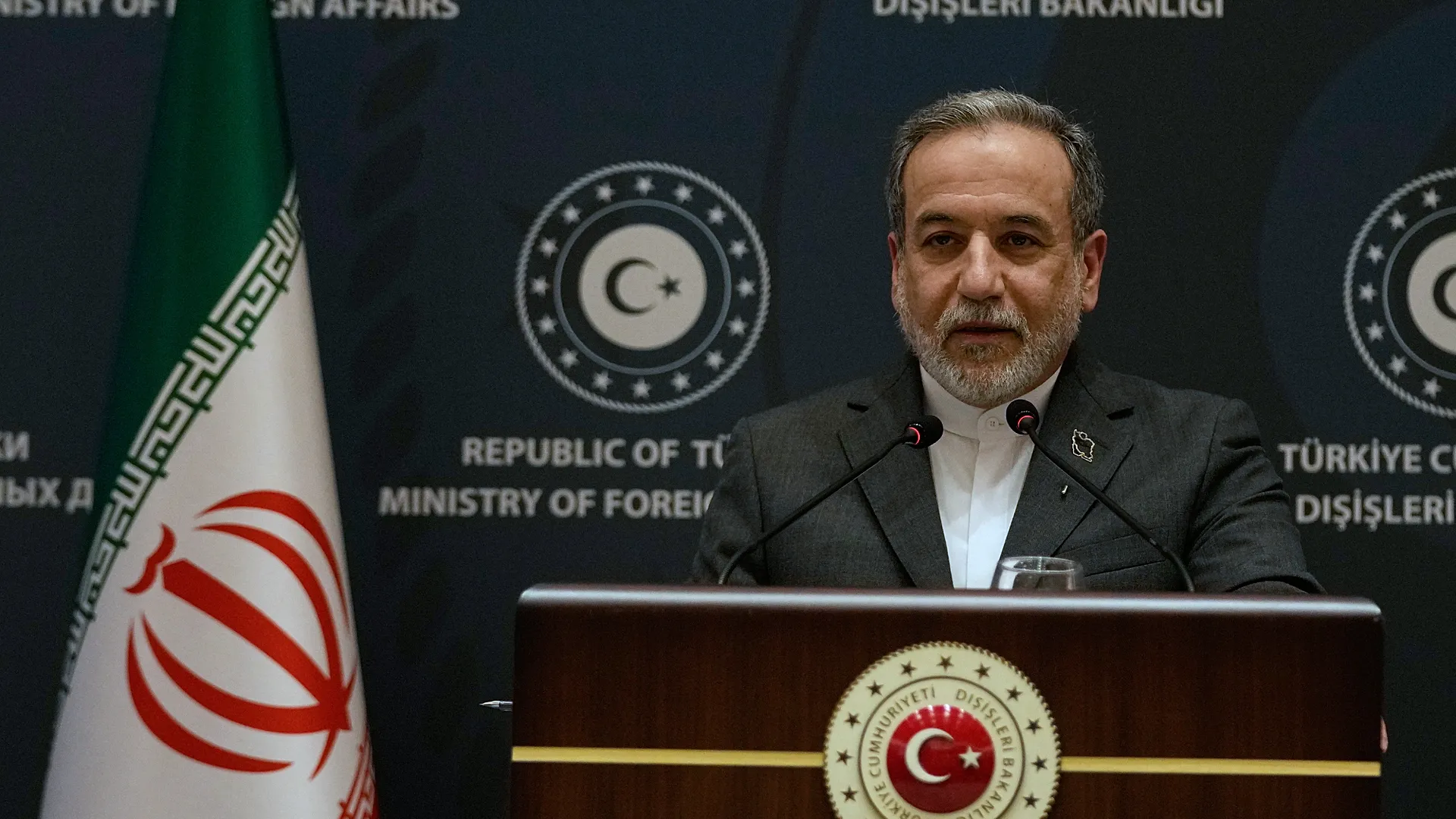
Three demands stand between war and diplomacy.
Tehran, March 2026.
Iran has outlined a set of conditions it says must be met before the current war with the United States and Israel can end, placing political recognition, financial compensation and security guarantees at the center of any potential settlement. The demands, articulated by President Masoud Pezeshkian during diplomatic exchanges with regional and international leaders, reveal the strategic framework Tehran believes is necessary to halt the conflict that has rapidly expanded across the Middle East.
According to the Iranian leadership, the first condition for ending the war is the recognition of what Tehran describes as its legitimate rights under international law. Iranian officials argue that the conflict was triggered by external military strikes and insist that any negotiated settlement must formally acknowledge Iran’s sovereignty and strategic position in the region. Tehran frames this recognition as essential not only for ending hostilities but also for restoring what it calls a balance of power disrupted by recent military operations.
The second demand centers on financial reparations for the damage caused by the military campaign. Iranian authorities claim that attacks carried out by U.S. and Israeli forces have resulted in significant destruction of infrastructure, military installations and civilian facilities. Tehran argues that compensation is necessary to repair these losses and to demonstrate accountability for the consequences of the war.
A third requirement involves the establishment of firm international guarantees designed to prevent future military aggression against Iran. Iranian officials insist that any ceasefire or peace agreement must include binding commitments from the international community ensuring that similar attacks cannot occur again. These guarantees, according to Tehran, would provide the security assurances necessary to stabilize the region and discourage further escalation.
The announcement of these conditions comes amid an ongoing cycle of retaliation that has expanded beyond the original battlefield. Since the conflict intensified earlier this year, Iran has launched missile and drone strikes targeting military facilities, shipping routes and infrastructure associated with its adversaries. These operations have triggered heightened security alerts across the Persian Gulf and have disrupted maritime activity near the Strait of Hormuz, one of the world’s most critical energy corridors.
The Strait of Hormuz plays a pivotal role in the global energy system, serving as the transit point for a significant share of the world’s oil exports. Any instability in this narrow maritime passage can reverberate through international markets, affecting energy prices and supply chains. As tensions in the region intensified, concerns grew that continued attacks could disrupt tanker traffic and global oil flows.
At the diplomatic level, Iran has attempted to present its demands as a framework for negotiation rather than a rejection of dialogue. Iranian leaders have communicated with several regional governments and international partners to emphasize that Tehran remains open to a political solution if its conditions are addressed. Officials argue that acknowledging these demands would create a pathway to de-escalation while preventing the recurrence of similar conflicts.
However, the response from Western governments has been cautious. The United States and its allies have not indicated any willingness to accept reparations or formal recognition of Iran’s strategic claims. Instead, their approach has focused on limiting Iran’s military capabilities and constraining its regional influence. This divergence highlights the deep gap between the expectations of the parties involved.
Analysts note that the demands reflect a broader strategic narrative emerging from Tehran. By insisting on recognition, compensation and guarantees, Iran seeks to frame the conflict as a defensive struggle rather than an act of regional aggression. This framing is also aimed at strengthening domestic support and appealing to international audiences wary of prolonged military interventions in the Middle East.
The situation underscores the complex balance of power shaping the region. Iran’s capacity to threaten maritime routes and energy infrastructure gives it strategic leverage despite the military superiority of its adversaries. At the same time, the United States and its allies maintain economic and technological advantages that allow them to exert sustained pressure.
For now, the war continues without a clear diplomatic breakthrough. Iran’s leadership insists that peace remains possible but only if the conditions it has outlined are taken seriously by the countries involved in the conflict. Whether these demands represent a genuine opening for negotiations or a strategic positioning ahead of a prolonged confrontation remains uncertain.
What is clear is that the terms presented by Tehran redefine the stakes of the conflict. Any future negotiation will not revolve solely around ceasefire lines or temporary truces, but around deeper questions of recognition, accountability and security guarantees that could shape the strategic order of the Middle East for years to come.
Phoenix24: clarity in the grey zone. / Phoenix24: clarity in the grey zone.