

 Phoenix 24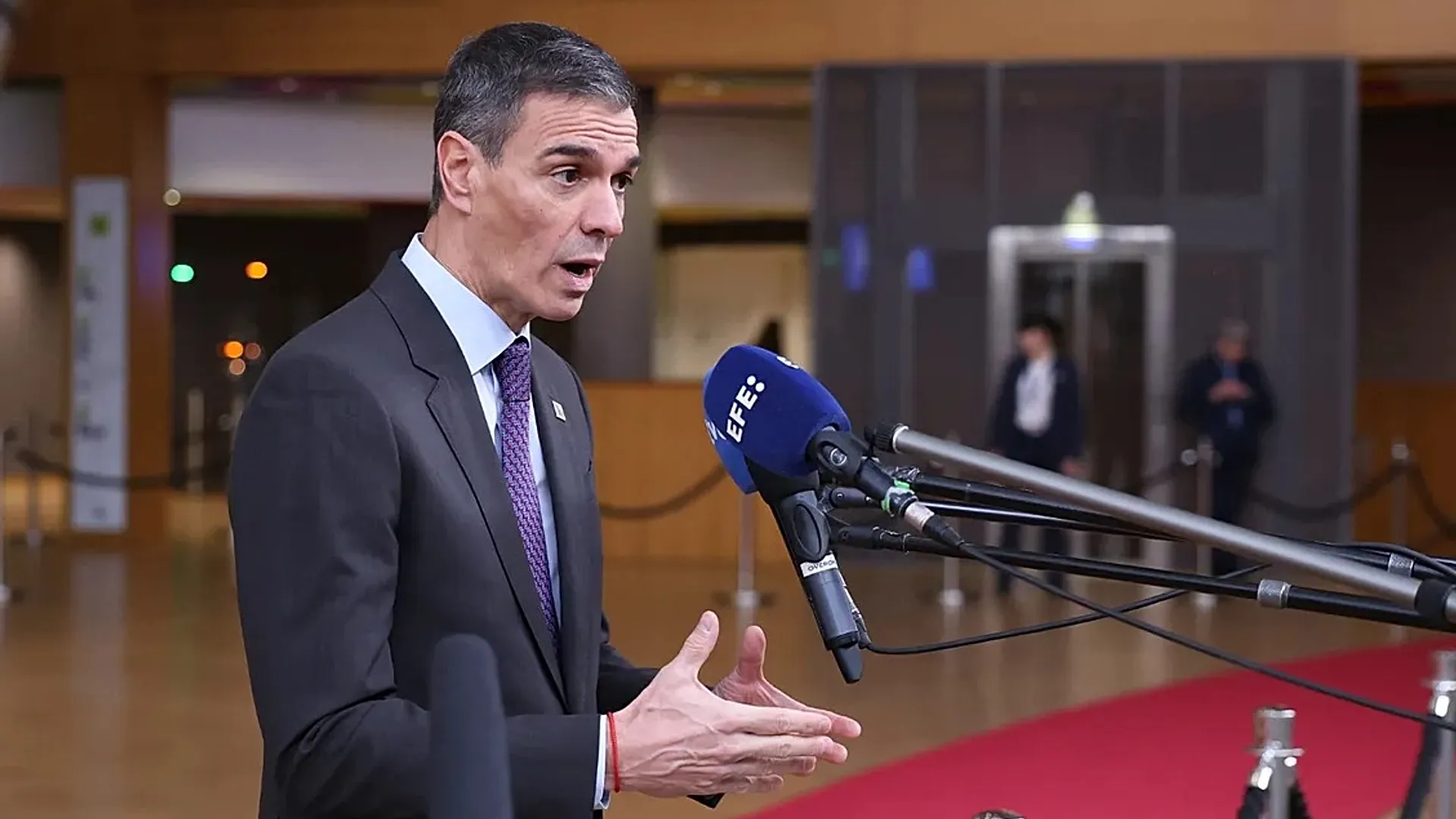
Truth is not promised, it is built under pressure.
Adamuz, January 2026.
The scene is solemn, almost theatrical. Amid dust, distant sirens, and the remains of an infrastructure that can no longer hide its fragility, Spain’s prime minister Pedro Sánchez appears alongside the minister of Transport, Óscar Puente. They speak of truth, of transparency, of justice for the victims. But in the air floats a question that needs no microphone: how did it come to this?
The railway accident that shook this area of Córdoba is not only a human tragedy. It is an uncomfortable mirror reflecting the distance between political narrative and operational reality. Dozens of people died, hundreds were injured, and thousands saw their daily lives interrupted by a system that promised safety, speed, and modernity. Instead, it delivered chaos, pain, and a crisis of trust.
Pedro Sánchez appeared with a grave expression, aware that every word would be measured not only for its content but for its future credibility. He announced days of official mourning, expressed solidarity with the families, and assured that the investigation would go “all the way” to uncover the causes of the disaster. Óscar Puente reinforced the message: there will be no rush to close conclusions, everything will be investigated, from the technical to the human. Yet society no longer hears these phrases as new promises, but as familiar formulas.
The politics of mourning usually follows a fixed script: condolences, tributes, promises of investigation, commitment to the truth. The problem is that this script repeats itself every time an infrastructure fails, every time a chain of poor decisions ends in death. Adamuz does not enter history as an isolated accident, but as another chapter in a long series of ignored warnings, archived reports, and priorities displaced by political calculation.
High speed trains were for years a symbol of progress. They represented a country moving forward, connecting territories, betting on engineering and modernization. But symbols also wear out when they are not cared for. Infrastructure is not only steel and technology, it is a culture of safety, constant maintenance, living protocols and not merely administrative documents.
In the days before the accident, nothing seemed to announce catastrophe. Trains ran, passengers trusted, schedules were met. That is precisely what is most disturbing: the apparent normality that precedes disaster. Social trust in technical systems is built on repetition without visible failure. One rupture is enough for the entire symbolic building to tremble.
From Adamuz, Sánchez spoke of truth as if it were an object that could be found under the debris. But truth is not only a technical cause. It does not end with knowing whether a rail, a signaling system, or a human decision failed. Full truth includes budget decisions, political priorities, ignored warnings, administrative haste, and institutional complacency.
Óscar Puente insisted that there would be no hasty conclusions. That caution is necessary, but not sufficient. Society does not only want to know what happened, but why the conditions for it to happen existed. It wants to understand why a system presented as safe allowed a combination of factors that ended in tragedy.
While leaders spoke, rescue teams kept working, hospitals treated the injured, families searched for names on improvised lists. The distance between institutional language and human experience is brutal. For someone who lost a loved one, the word “investigation” is not hope, it is waiting. And waiting, when there is pain, is lived as a slow form of injustice.
Adamuz became an emotional breaking point for the country. Not only because of the magnitude of the accident, but because of what it symbolizes: the fragility of modern promises. High speed promised control, precision, efficiency. The accident showed disorder, vulnerability, and human limits in the face of systems believed to be almost infallible.
The appearance of Sánchez and Puente was also an act of narrative control. In moments of crisis, power tries to fix the frame: we do not speak of blame, we speak of process; we do not speak of structural failures, we speak of facts under investigation. It is an understandable strategy, but a risky one. If the final truth does not match the initial narrative, distrust multiplies.
Spanish society has learned to listen with caution. It is no longer enough to promise truth, it must be demonstrated with visible actions: truly independent commissions, complete public reports, clear responsibilities, tangible reforms. Otherwise, Adamuz will join the list of tragedies that produced solemn speeches but few real changes.
What happened forces a rethinking of something deeper than a railway line. It forces a review of how safety is governed, how technical reports are heard, how political costs are balanced against human risks. Every decision that saves time or money in maintenance, supervision, or control has a hidden cost that sooner or later is paid with lives.
From Adamuz, power spoke of truth. Now truth will have to prove that it is not just a useful word in moments of crisis. It will have to show itself in data, in responsibilities, in reforms, and in the active memory of the victims. Because if Adamuz becomes only one more name in a list of tragedies, then the promised truth will have been just another elegant way of forgetting.
Behind every fact, there is an intention. Behind every silence, a structure.