

 Phoenix 24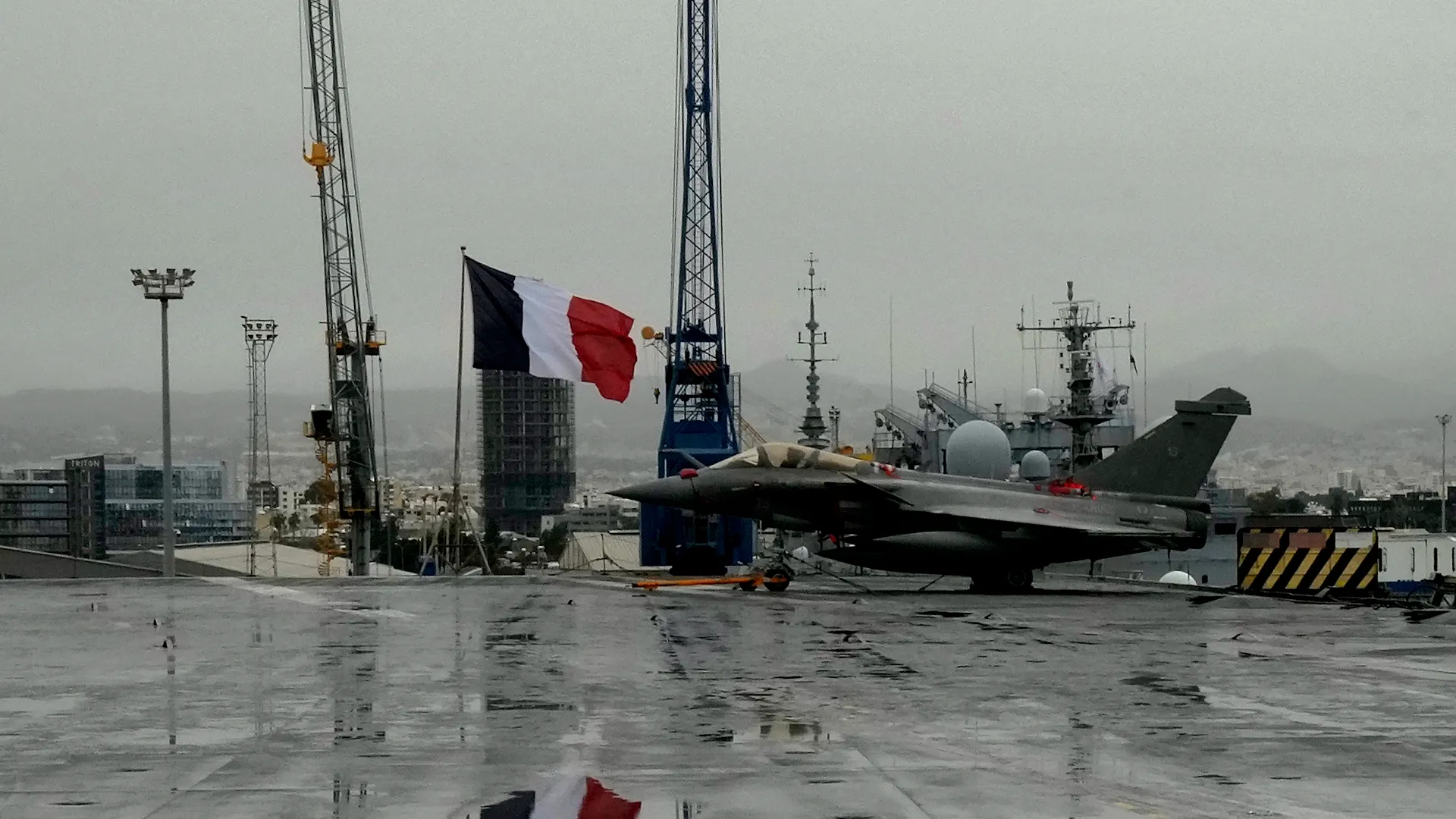
A fitness app opened a military security gap.
Paris, March 2026
A member of the French navy appears to have unintentionally revealed the location of the aircraft carrier Charles de Gaulle by recording running activity through the fitness app Strava, triggering a security review inside the French armed forces. The case has drawn attention because it involves the position of France’s most important warship at a time of heightened military tension in the eastern Mediterranean.
According to the reported sequence, the sailor recorded a circular running route on March 13 while onboard the carrier as it was sailing northwest of Cyprus. The route was visible through a public profile on the app, and the location was later matched with other open-source indicators placing the vessel in the same area. The same individual had also logged routes in late February in Copenhagen, crossing a bridge from Malmö, where the carrier had previously been anchored.
The French military said the matter is under investigation and warned that disciplinary action could follow if negligence is confirmed. Officials also stressed that personnel are regularly informed about the risks of disclosing sensitive operational information through digital platforms and tracking applications. In that sense, the episode appears less like a failure of awareness than a failure to follow existing security guidance.
The incident matters because it shows how military secrecy can be compromised by routine personal technology rather than by classic espionage. Fitness platforms, geolocation tools and social media have repeatedly created risks for armed forces around the world, especially when sailors or soldiers use public profiles that map routes, routines or positions in active deployment zones. What looks like harmless personal data can quickly become intelligence.
The timing makes the episode more sensitive. France deployed the Charles de Gaulle and its escort ships to the Mediterranean in early March after the widening regional conflict linked to the strikes by the United States and Israel on Iran. Since March 9, the carrier has been operating in the eastern Mediterranean as part of what President Emmanuel Macron described as a defensive presence in support of French allies. In that context, the accidental disclosure of its location becomes more than an embarrassing lapse. It becomes an operational concern.
The broader lesson is direct. In contemporary military environments, information leaks do not always come through classified documents or hostile interception. They can also emerge through everyday digital habits, especially when personal devices and public platforms intersect with active deployment. The Charles de Gaulle episode shows how even one visible route can undermine the discretion expected around strategic assets.
For now, the French navy is treating the case as a matter of internal accountability and digital discipline. But the wider warning is already clear. In modern conflict, a running app can become a security breach faster than many institutions are prepared to admit.
Phoenix24: clarity in the grey zone. / Phoenix24: clarity in the grey zone.