

 Phoenix 24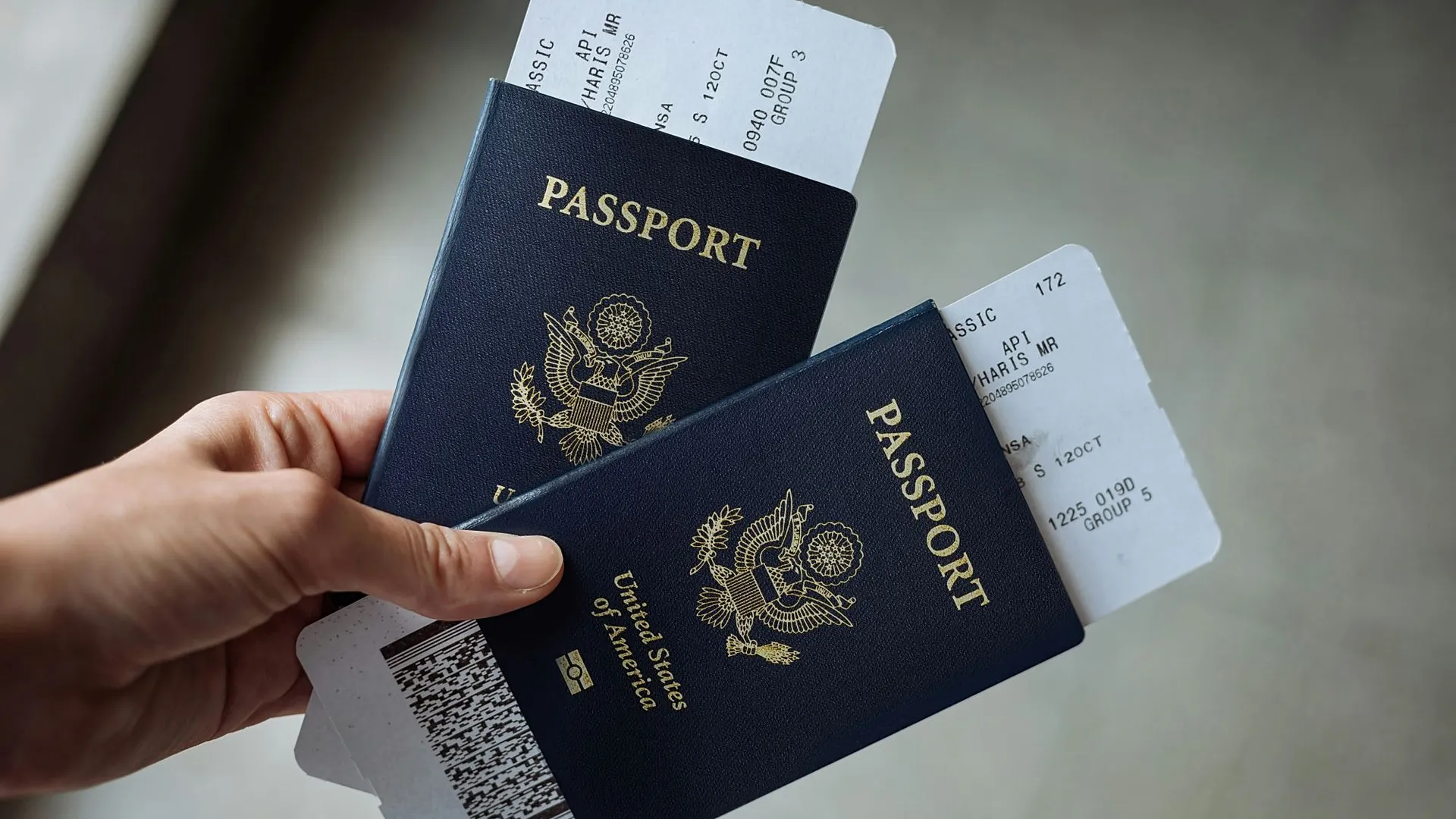
Sweden leads as United States remains outside top ten
BRUSSELS, Belgium — July 2026.
Nine of the world’s ten most powerful passports are European, according to the 2026 Global Passport Index, which places Sweden at the top of a ranking designed to measure considerably more than visa-free travel. Switzerland and Finland occupy second and third place, followed by Germany in fourth, while the Netherlands and Denmark share fifth position. Ireland ranks seventh, the United Kingdom eighth and Norway ninth, leaving Singapore as the only non-European country in the top ten. The results highlight Europe’s ability to combine extensive international mobility with stable institutions, strong public services, competitive economies and high living standards.
Unlike passport rankings based exclusively on the number of destinations accessible without obtaining a visa in advance, the Global Passport Index evaluates 197 countries and territories through 14 indicators distributed across three principal pillars: enhanced mobility, investment opportunities and quality of living. Its investment assessment incorporates factors such as taxation, economic competitiveness, innovation and the capacity of a country to attract or protect capital, while the quality-of-living component examines healthcare, security, infrastructure, environmental conditions and broader social development. This methodology explains why the countries with the greatest visa-free access do not necessarily occupy the highest positions in the composite classification. Singapore remains the strongest performer for travel freedom alone, but Europe dominates the overall ranking because its leading countries achieve comparatively balanced results across all three dimensions.
Sweden retained first place with an overall score of 96.05 out of 100, supported by its eleventh-place performance in mobility, ninth position for investment and second place for quality of living. Switzerland ranked second after combining seventh place in mobility with second place in investment, although its quality-of-living position was lower at number 36. Finland secured third place by ranking fourth for mobility and first for quality of living, despite standing twenty-eighth in the investment category, while Germany reached fourth position through consistent results across the three pillars. The Netherlands and Denmark completed the leading group in a shared fifth place, reinforcing the broader pattern in which European passports benefit from a combination of diplomatic access, institutional stability, economic strength and extensive social protections.
The United Kingdom remained among the global leaders in eighth place, although the index identified a significant disparity between its strong quality-of-living score and its more modest mobility position, which stands around thirtieth. Analysts associated part of that difference with Brexit, since conventional visa-free measurements cannot fully represent the automatic right that British citizens previously possessed to live, work and establish themselves across the European Union’s member states. The United States remained outside the top ten in twelfth place after experiencing the largest five-year decline among the Group of Seven economies, having led the index in 2021 before falling to fourteenth in 2025. Its partial recovery in 2026 did not restore its former position, as visa reciprocity changes, domestic quality-of-life indicators and investment-related variables continued to affect its composite result.
The report also shows that passport strength remains distributed unevenly across the world, with Afghanistan placed last at 23.10 points and Sweden standing 72.95 points above it. Somalia, South Sudan, Yemen and Syria complete the bottom five, reflecting the limited international access and difficult domestic conditions associated with some of the world’s weakest travel documents. Researchers found that 61.5% of the 38,616 bilateral passport-to-destination relationships examined were asymmetric, meaning that citizens of one country frequently receive more favorable access than citizens traveling in the opposite direction. The study also identified a nine-fold difference between the openness European travelers receive in Africa and the access African passport holders receive in Europe, illustrating how visa systems continue to reflect global disparities in wealth, diplomacy and geopolitical influence.
The ranking arrives as governments increasingly introduce digital border-management systems, including electronic travel authorizations and automated pre-screening procedures, which can add administrative requirements even when travelers do not need traditional visas. At the same time, several Asian countries have expanded selective visa-free access as part of broader tourism and economic strategies, while other governments have reintroduced visa requirements when reciprocal treatment was absent. These changes demonstrate that passport power is not permanent and can rise or decline through diplomatic agreements, domestic reforms, economic conditions and decisions made by foreign governments. Europe’s dominance in the 2026 index therefore reflects not simply the number of borders its citizens can cross, but the broader combination of mobility, investment potential and living conditions available through citizenship in its highest-ranked nations.
Phoenix24 — Global news, clearly told.