

 Phoenix 24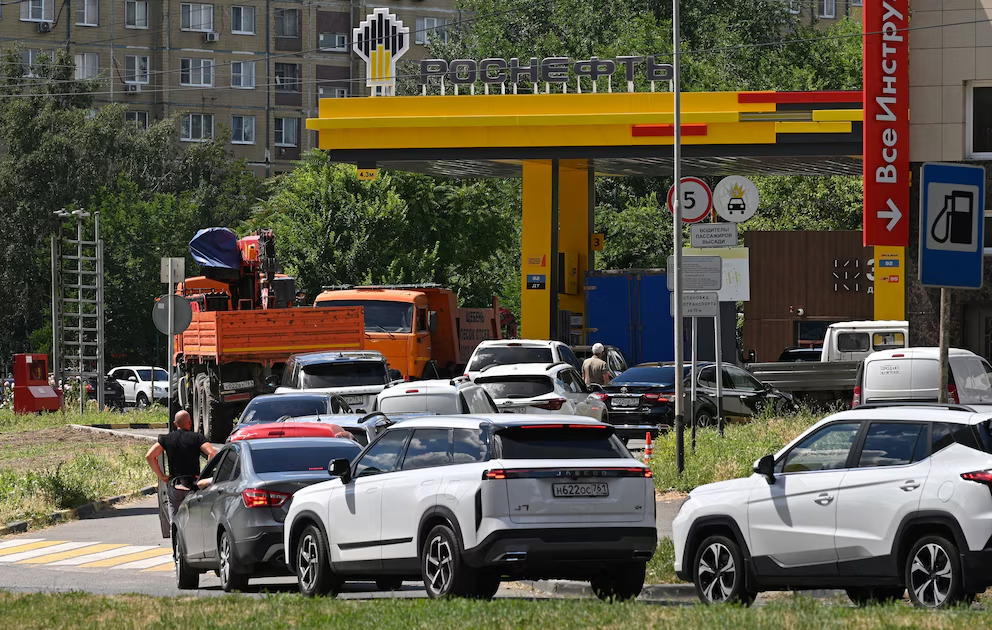
Long lines expose new pressure on Putin’s wartime economy
Moscow, Russia | June 2026
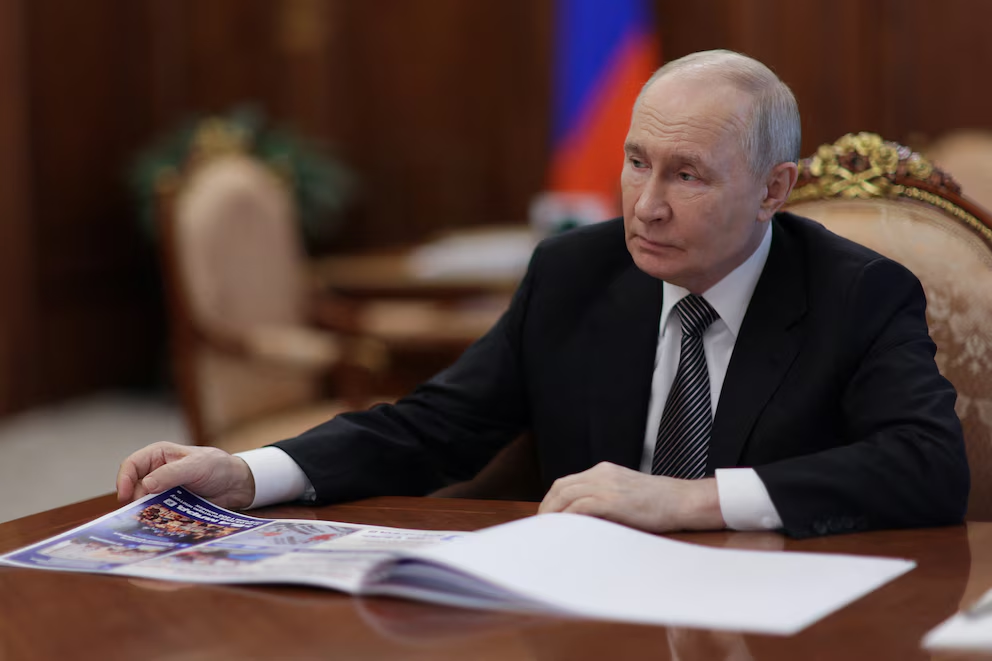
Russia is facing a growing fuel shortage after repeated Ukrainian drone attacks damaged refineries and energy infrastructure across several regions. The crisis has become increasingly visible through long lines at gas stations, supply restrictions and reports of drivers traveling between several stations before finding gasoline. President Vladimir Putin has acknowledged problems in the fuel supply, although the Kremlin continues trying to present the situation as manageable. The shortage represents a serious contradiction for one of the world’s largest oil producers, now struggling to guarantee domestic fuel availability during wartime.
The problem has expanded beyond isolated disruptions and is now affecting daily life in parts of the country. Drivers in Moscow and other regions have reported waiting from several minutes to hours to refuel, while some stations have temporarily run out of gasoline. In certain areas, authorities have imposed limits on how much fuel consumers can buy, and restrictions have also affected occupied Crimea and regions closer to Ukraine. These measures show that the impact of the war is reaching deeper into Russia’s internal economy than official messaging had previously admitted.
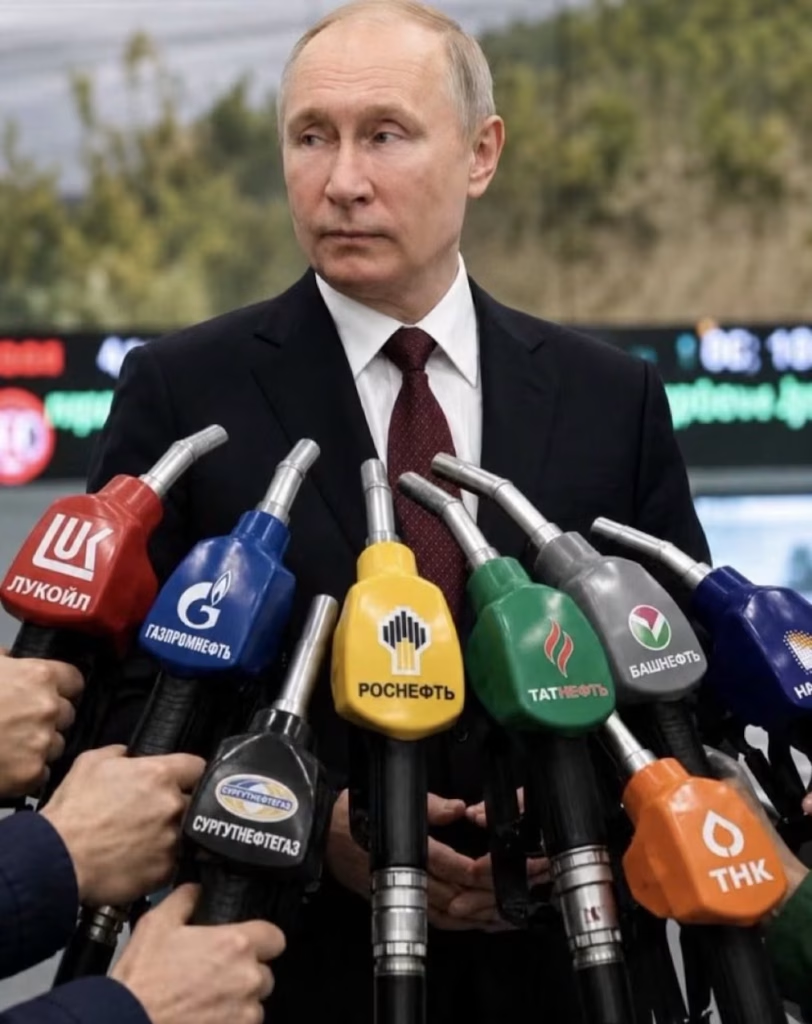
Ukraine has intensified its campaign against Russian refineries as part of a broader strategy to weaken Moscow’s military logistics and economic capacity. Refineries are critical targets because they transform crude oil into gasoline, diesel and aviation fuel needed by civilians, transport companies and the armed forces. By striking these facilities, Kyiv seeks to reduce Russia’s ability to sustain the war while forcing the Kremlin to divert resources toward domestic stabilization. The attacks also create political pressure by making the cost of war visible to ordinary Russians.
The shortage has placed Putin in a difficult position. For years, the Kremlin has presented Russia as an energy superpower capable of resisting Western sanctions and maintaining economic stability. Fuel scarcity undermines that narrative because it affects one of the most basic symbols of national capacity: the ability to supply gasoline inside a major oil-producing country. Even if the government controls public messaging, long lines at gas stations are difficult to hide because they are visible, local and directly experienced by citizens.
The crisis may also affect sectors beyond private transportation. Agriculture, logistics, public transport, aviation and military supply chains depend on stable fuel availability. If shortages persist, the economic consequences could spread through food distribution, regional trade and industrial activity. Russian authorities may attempt to redirect supplies, increase imports, repair damaged facilities or restrict exports, but each option carries costs. Managing the crisis will require balancing civilian needs, military priorities and fiscal pressure.
The situation also exposes the limits of Russia’s energy resilience under sustained attack. Oil production alone does not guarantee fuel security if refining capacity is repeatedly damaged. Modern fuel systems depend on processing plants, storage facilities, transport networks and distribution channels that can become vulnerable during war. Ukraine’s drone campaign has shown that infrastructure far from the front line can still become part of the battlefield.
For Kyiv, the strategy has both military and psychological value. Strikes on refineries do not immediately decide the war, but they erode Russia’s sense of internal security and force the Kremlin to defend a wider range of targets. They also send a message that Moscow’s continued attacks on Ukrainian infrastructure can produce consequences inside Russia. In that sense, the fuel crisis is not only an economic issue, but part of a broader contest over endurance, pressure and political perception.
Russia may still have tools to contain the shortage, but the visibility of the crisis has already damaged the image of control that Putin seeks to project. Long queues, rationing and closed pumps create a different reality from official claims of stability. The coming weeks will show whether refinery repairs and supply adjustments can ease the pressure or whether Ukrainian strikes will continue deepening the problem. For now, Russia’s fuel shortage has become one of the clearest signs that the war’s economic impact is no longer confined to the front line.
Phoenix24 News | Information with responsibility.