

 Phoenix 24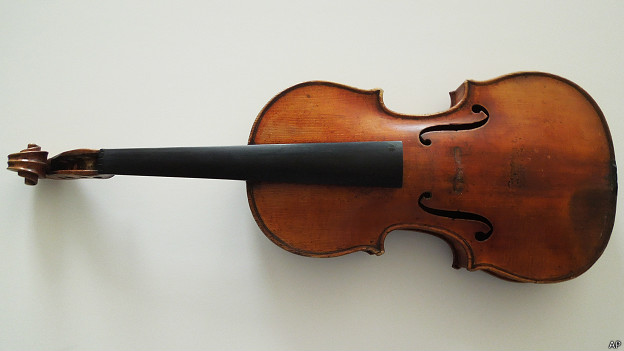
When cultural erasure meets unrelenting persistence, history sometimes writes itself anew.
Vienna, September 2025.
A Stradivarius violin built in 1709, known as the “Mendelssohn,” has reemerged after nearly eight decades of uncertainty, opening a new chapter in the long struggle over art and cultural property looted during the Second World War. The instrument originally belonged to Lilli von Mendelssohn-Bohnke, a descendant of the prominent banking dynasty that became one of the many victims of Nazi expropriation. In the early years of the conflict, the family attempted to protect the instrument by placing it in a Berlin bank vault, but it vanished when Nazi authorities seized their assets. With the Soviet occupation of the city, any remaining trace of the violin disappeared, leaving historians and descendants with little more than rumor and speculation.
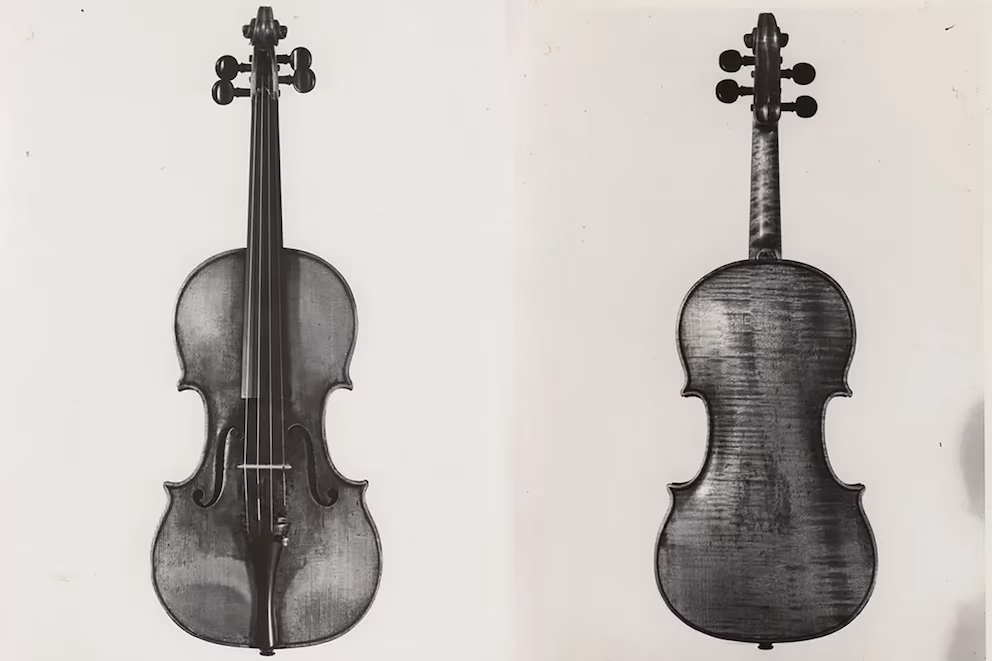
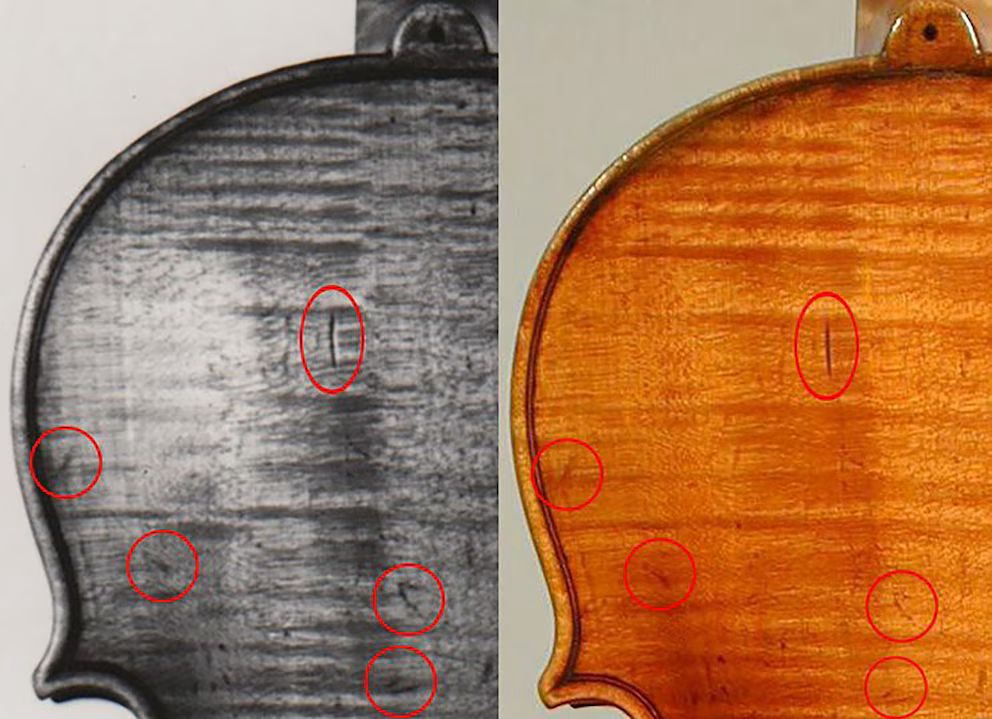
The story might have ended there, had it not been for painstaking research carried out by cultural heritage scholar Carla Shapreau. In 2024, while reviewing archival photographs of the Mendelssohn violin, she noticed uncanny similarities with another violin known publicly as “Stella,” displayed in Tokyo during an exhibition in 2018. The wood grain, the subtle patterns of wear and even distinctive marks aligned almost perfectly. Her suspicions were later reinforced by violin experts, who confirmed that the violin celebrated as “Stella” was in fact the Mendelssohn Stradivarius, long considered lost.
The journey of the instrument between the 1940s and its reappearance in the 1990s reveals a complex history of concealment. According to accounts uncovered in the investigation, the violin surfaced in Paris in 1995 when a Russian musician presented it at a luthier’s workshop, claiming to have purchased it decades earlier in Moscow. It was authenticated in London by a renowned expert, but the accompanying documents fabricated an entirely false lineage. The provenance was attributed to an invented Dutch noble family, providing a cover story that allowed the violin to circulate without arousing suspicion.
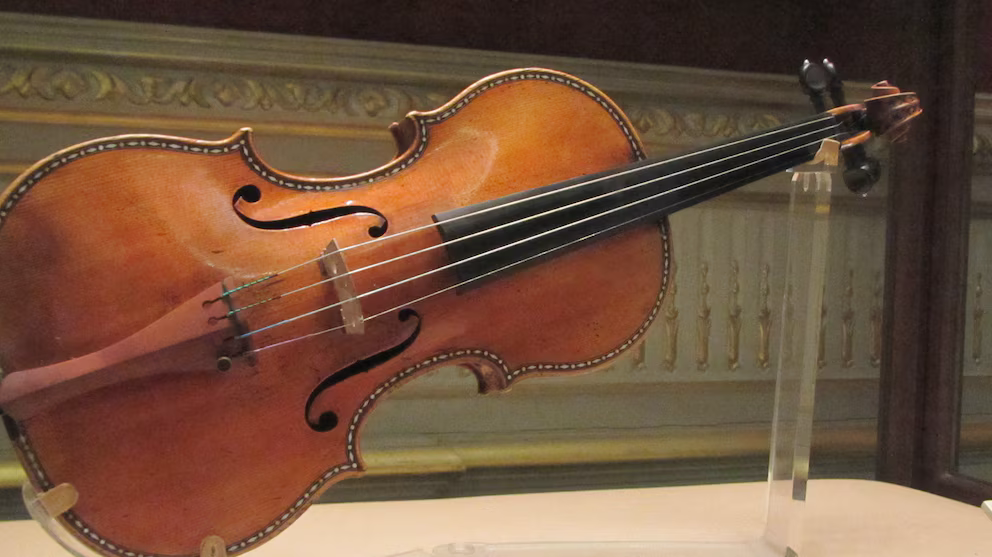
In 2005, Japanese virtuoso Eijin Nimura acquired the violin and has played it under the name “Stella” for years. Until now, there was no acknowledgment of its controversial history. For the Mendelssohn family, the revelation was nothing short of staggering. David Rosenthal, Lilli’s great-grandson, admitted that discovering the violin had been visible on international stages all along was both shocking and painful. To him, the instrument is not just an artifact of extraordinary value but also a surviving piece of his family’s identity, a link to a grandmother whose legacy was nearly erased by the violence of the twentieth century.
The case is emblematic of broader struggles in art restitution. Thousands of works looted by the Nazis and later displaced by Soviet troops remain hidden, sometimes even showcased openly under false identities. The Stradivarius demonstrates how sophisticated networks of deception can obscure the origins of valuable cultural property for decades. It also shows the power of meticulous research, archival comparison and international cooperation in unmasking false histories.
Negotiations are now expected to be complex. The Mendelssohn heirs will likely pursue both legal and diplomatic channels to recover the instrument, valued at more than 85 million euros. Beyond its monetary worth, the family seeks recognition of the injustice committed and the restoration of what they consider a piece of their collective soul. Cultural institutions and legal experts will need to grapple with questions of ownership, due diligence and the obligations of current holders when faced with overwhelming evidence of looted origins.
The rediscovery has also ignited debate within the musical world. For performers, instruments like this Stradivarius are not only museum pieces but living tools, designed to resonate in concert halls and carry human emotion across centuries. The tension between preserving the violin as a historical object and allowing it to continue fulfilling its artistic purpose will likely shape the terms of its future use. Some argue that it should remain in performance, while others call for it to be placed in a public institution where its history can be honored and remembered.
More broadly, the Mendelssohn Stradivarius reminds the world that cultural memory is fragile but not beyond repair. Objects of such magnitude carry stories that outlive wars, regimes and falsified documents. The violin’s reemergence is a testament to persistence, to the refusal of scholars and families to let history’s silences become permanent. Each note it produces from now on will carry with it not only the craftsmanship of Antonio Stradivari but also the resilience of those who fought to recover it from the shadows.
The rediscovery does not close the chapter; it opens a new one. What follows is a legal, ethical and cultural battle to ensure that justice, even delayed, can still be delivered. For the Mendelssohn family, reclaiming the violin means reclaiming a fragment of dignity long denied. For the international community, it is a reminder that the scars of looting and displacement remain visible, and that only through truth and restitution can they begin to heal.
Resistencia narrativa global.
Global narrative resilience.