

 Phoenix 24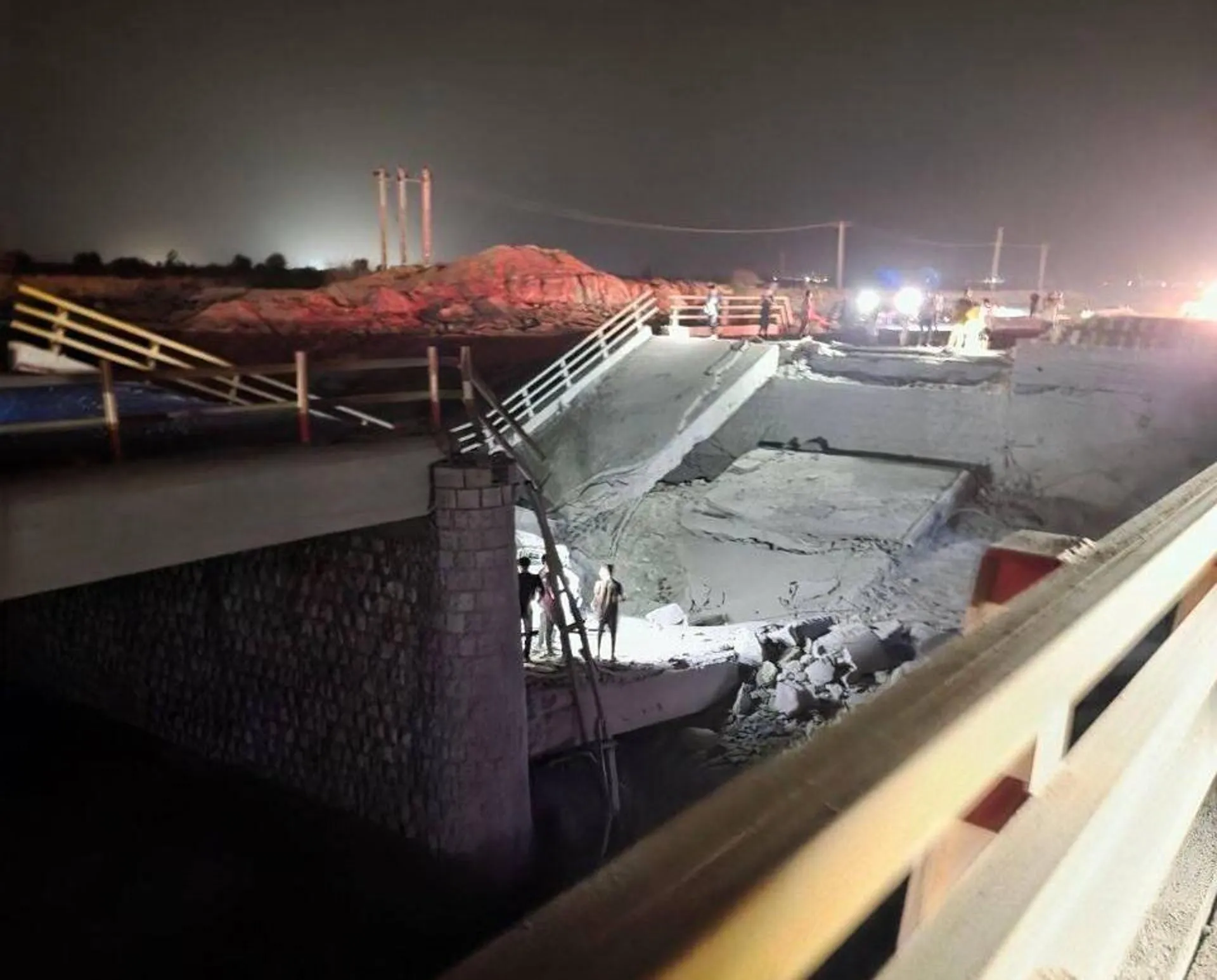
An expanding war tests every remaining regional restraint.
Tehran | July 2026
United States forces carried out a seventh consecutive night of attacks against Iran, extending a military campaign that has evolved from isolated retaliation into sustained regional confrontation. According to Euronews, the operation targeted surveillance facilities, military logistics infrastructure, underground weapons depots and Iranian maritime capabilities.
Fighter aircraft, unmanned aerial vehicles and warships participated in the coordinated offensive ordered by President Donald Trump. Washington presented the strikes as part of an effort to weaken Iran’s capacity to threaten American personnel, allied countries and commercial navigation across the region.
The United States also continued applying maritime pressure against Iranian ports. This dimension of the campaign has become particularly significant because it directly affects Iran’s ability to export energy, receive goods and maintain normal commercial activity across nearby waters.
Iran responded by launching missiles and drones against United States allies and military positions in the Middle East. Iranian reports indicated that attacks were directed toward military facilities in Kuwait and communications infrastructure in Bahrain.
Regional defense systems were activated as missiles and drones crossed increasingly crowded airspace. Kuwait reported hostile aerial activity, while Jordanian forces intercepted several projectiles during the early hours of the latest escalation.
The reciprocal attacks reveal an expanding operational map in which countries not formally leading the conflict are becoming increasingly exposed to its consequences. Kuwait, Bahrain and Jordan host strategic military facilities or maintain close security relationships with Washington, making them potential targets for Iranian retaliation.
Their involvement raises the possibility that the confrontation could develop into a broader regional emergency. Such a scenario would involve multiple governments, air-defense networks, military bases and civilian populations situated far beyond Iran and the United States.
The Strait of Hormuz remains central to the conflict. The narrow maritime passage carries a substantial share of the world’s traded oil and natural gas, meaning any prolonged disruption could have immediate consequences for international energy markets.
Commercial navigation has already faced uncertainty as military operations, maritime restrictions and the threat of additional attacks increase the risks for shipping companies. Even without a complete closure of the route, higher insurance costs and security concerns can affect global supply chains.
Washington and Tehran had previously explored a provisional arrangement intended to reopen maritime traffic and reduce hostilities. The reported framework included the removal of American naval restrictions and renewed Iranian commitments regarding navigation and nuclear activity.
The latest exchange of attacks has weakened the credibility of that diplomatic path. Each new strike makes it more difficult for either government to demonstrate compromise without appearing politically vulnerable before its domestic audience.
The United States argues that military pressure is necessary to prevent Iran from rebuilding offensive capabilities and threatening regional shipping. Tehran maintains that Washington is violating Iranian sovereignty and attempting to impose political and economic conditions through force.
American strikes have increasingly focused on the systems that allow Iran to detect threats, move weapons, protect military assets and operate near the Persian Gulf. Surveillance installations provide situational awareness, while logistical networks sustain personnel, equipment and ammunition.
Underground facilities protect military resources from conventional attacks, while naval and coastal assets allow Iran to project influence near strategically important shipping routes. Damaging these systems could restrict Tehran’s operational flexibility, but it may also encourage faster retaliation before additional capabilities are destroyed.
This dynamic creates an escalation cycle in which both governments describe their own actions as defensive. Each side then interprets the response of the other as evidence that further attacks are necessary.
The result is a confrontation increasingly driven by military momentum rather than by a clearly defined political objective. Without credible limits, operational decisions can gradually replace diplomacy as the primary mechanism for managing the crisis.
The use of aircraft, drones and naval platforms demonstrates the technological complexity of the campaign. These systems allow the United States to strike geographically dispersed targets while reducing direct exposure for its personnel.
Precision technology, however, does not eliminate the risks of civilian casualties, infrastructure damage or intelligence failures. It also cannot prevent Iran from retaliating against American bases and allied territories across the region.
Iran appears to be distributing pressure rather than concentrating its response at a single location. By targeting countries aligned with Washington, Tehran can raise the political cost of the campaign and test the willingness of regional governments to remain involved.
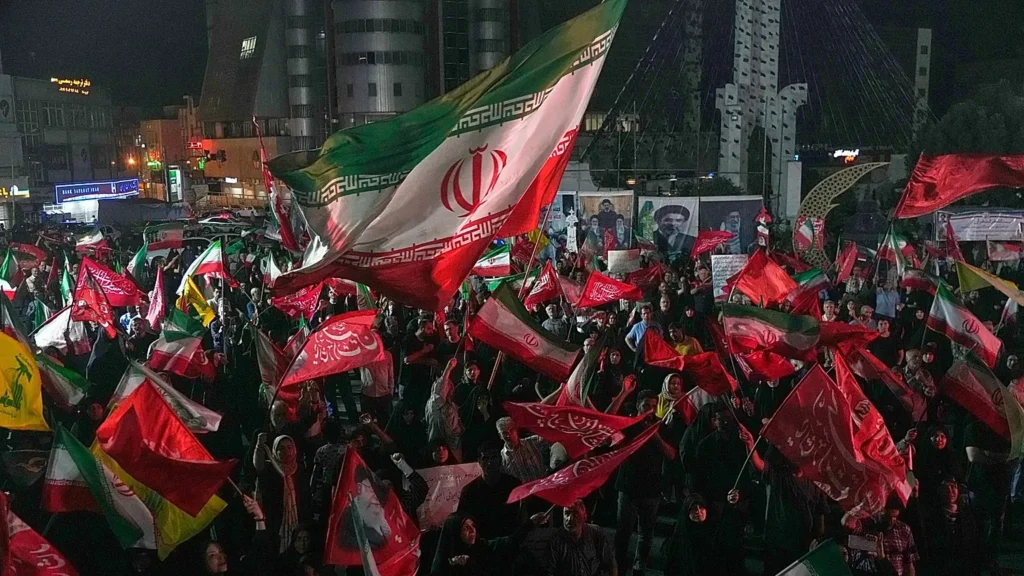
This strategy also forces those countries to invest greater resources in missile defense, emergency preparedness and the protection of critical infrastructure. Civilian aviation and commercial activity become increasingly vulnerable as missiles and drones move through shared airspace.
Airlines operating near active military zones must reconsider routes, fuel requirements and insurance exposure. Governments must simultaneously protect civilian traffic and maintain military readiness under unpredictable conditions.
Energy markets remain particularly sensitive because the confrontation combines direct attacks, maritime pressure and uncertainty surrounding the Strait of Hormuz. Even limited disruption can influence oil prices and increase transportation costs across multiple regions.
A prolonged crisis could affect manufacturing, logistics and consumer prices far beyond the Middle East. The economic consequences would therefore extend well beyond the countries directly involved in the conflict.
Diplomacy remains technically possible, but the political space for compromise is narrowing with every night of attacks. Any future negotiation would require enforceable commitments involving maritime access, nuclear activity, military operations and the protection of regional allies.
The seventh consecutive night of strikes represents more than another stage in a military timeline. It confirms that sustained force has become the principal language between Washington and Tehran at a moment when previous understandings are losing authority.
The central question is no longer whether the confrontation has escalated, but whether either side can still establish a credible limit before the conflict expands further across the region.
Phoenix24 | Global facts, human context. Hechos globales, contexto humano.