

 Phoenix 24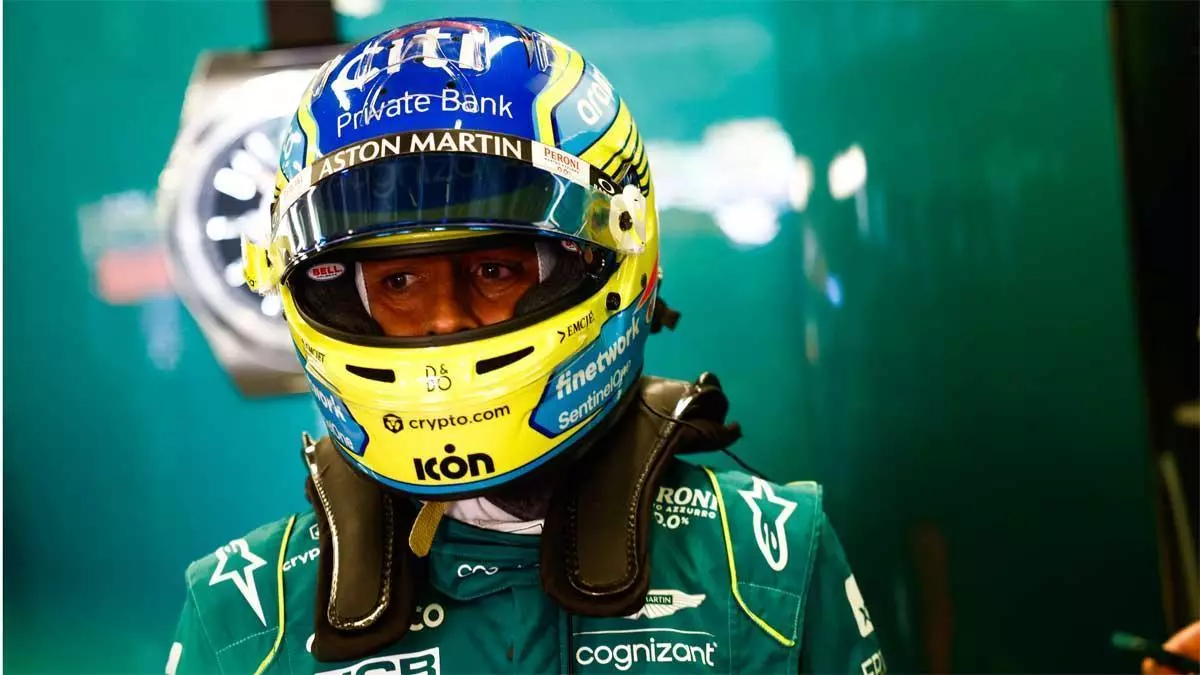
The Spaniard finished near the bottom as fresh technical concerns emerged.
Spielberg, June 2026
Fernando Alonso endured another difficult Friday with Aston Martin at the Austrian Grand Prix, finishing last in the opening practice session and 19th in the second as the team continued to struggle with the uncompetitive AMR26. The two-time world champion also revealed that his car was affected by specific technical problems that the team was still investigating, adding another layer of uncertainty to an already challenging weekend.
Aston Martin arrived at the Red Bull Ring without the significant technical upgrades introduced by several of its rivals. Alonso therefore used much of the practice program to experiment with different setup configurations rather than evaluate new components. The work produced limited improvement, and the Spanish driver admitted that the car remained outside the operating window required to extract competitive performance.
The Austrian circuit presents a demanding combination of long straights, heavy braking zones and rapid changes of direction. Its altitude also places additional pressure on the turbocharger, cooling systems and energy management of the power unit. Those characteristics were expected to expose some of the AMR26’s weaknesses, particularly its inefficient energy deployment and limited straight-line performance.
Alonso’s position at the bottom of the timesheets reflected more than a single unsuccessful lap. Aston Martin has spent much of the 2026 season trying to understand a car affected by deficiencies in several interconnected areas. The Honda power unit, the team’s newly developed gearbox, the aerodynamic package and the integration of the electrical systems have all contributed to a difficult first year under the new technical regulations.
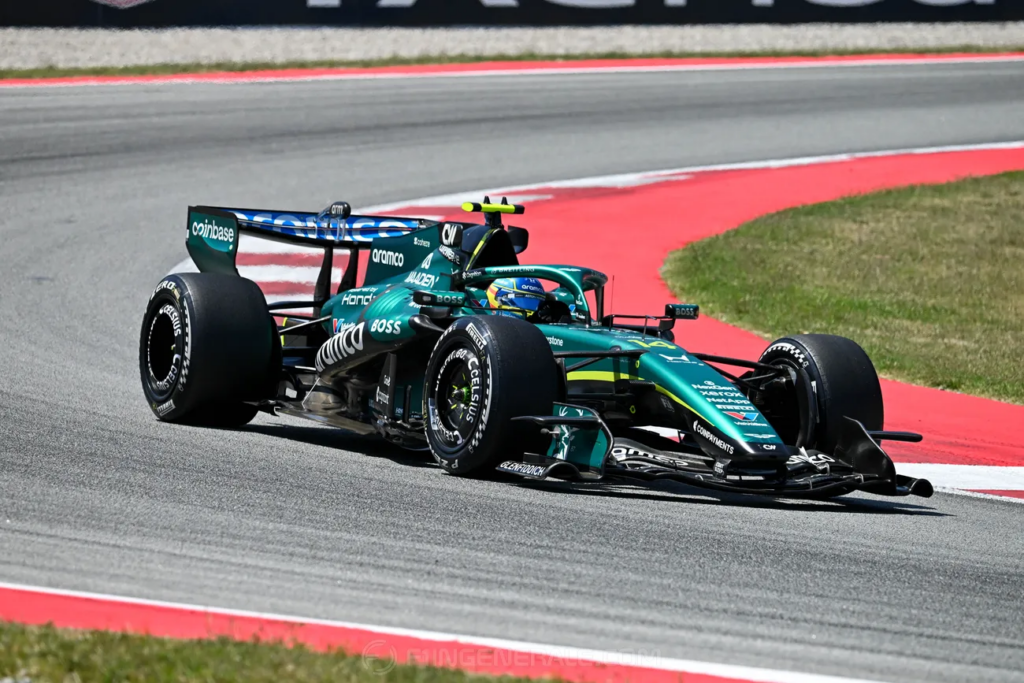
The driver did not provide detailed information about the latest problem detected in Austria. He confirmed only that there were issues on his side of the garage and that the engineers were examining the data. In Formula One, teams frequently avoid revealing the exact nature of technical failures before completing their analysis, particularly when the problem could affect reliability during qualifying or the race.
The uncertainty complicates Aston Martin’s preparation because Friday practice is essential for understanding tire behavior, fuel loads and race pace. Time spent diagnosing faults reduces the opportunity to refine the car for the remainder of the weekend. When a team already lacks raw performance, losing productive laps can make an unfavorable competitive situation even more difficult to reverse.
Alonso said that the car’s general handling had not deteriorated dramatically compared with previous races. That assessment offered little comfort, however, because the existing baseline has already proven inadequate. Aston Martin entered the Austrian round near the bottom of the constructors’ standings, with Alonso responsible for the team’s only point during the opening seven events.
The team’s difficulties have become more visible as competitors continue introducing upgrades. Cadillac arrived in Austria with an extensive package of new components and showed a clear improvement during practice. Other midfield teams also brought aerodynamic changes designed to exploit the evolving 2026 regulations. Aston Martin, by contrast, remains focused on a larger development package expected later in the season.
This strategy carries significant risk. Delaying upgrades may allow the engineering department to introduce a more complete solution rather than a series of small corrections, but it also leaves the drivers exposed during several consecutive races. Every weekend without progress gives rival teams more opportunities to score points and strengthen their positions.
Alonso has repeatedly acknowledged the scale of Aston Martin’s technical problems. After a particularly difficult Spanish Grand Prix, he described the AMR26 as having the least competitive engine package on the grid, poor energy deployment, gearbox issues and aerodynamic weaknesses. He also expressed frustration at having to repeat the same diagnosis after each disappointing result.
The situation is especially striking because Aston Martin entered 2026 with ambitious expectations. The team began an exclusive engine partnership with Honda, produced its own gearbox and competed with a car developed under the technical leadership of Adrian Newey. The combination was intended to create a fully integrated works operation capable of challenging the leading teams.
Instead, the first months have revealed the difficulty of combining several new systems under radically revised regulations. Problems with vibrations affected the car during preseason testing and the early rounds, while reliability concerns limited running and compromised development. Even after some of the most severe issues were reduced, the AMR26 continued to lack pace.
The Red Bull Ring may further expose the power unit because the circuit is situated at relatively high altitude. Lower air density forces the turbocharger to work harder, while warm conditions can complicate cooling. Honda engineers had already warned that the Austrian layout might produce a performance deficit compared with rival engines.
Energy deployment is another critical factor. The 2026 regulations place greater emphasis on electrical power, requiring teams to manage battery energy carefully throughout each lap. A car that cannot deploy energy effectively may lose substantial time on long straights, even when its internal combustion engine is operating correctly.
Alonso’s ability to compensate through driving remains limited when the underlying package lacks performance. His experience can help identify setup directions, manage tires and exploit changing track conditions, but it cannot eliminate structural weaknesses. The difference between extracting the maximum from a car and making an uncompetitive car competitive remains considerable.
His future has therefore become part of the broader discussion surrounding Aston Martin. Alonso has confirmed that he intends to continue racing in 2027, although he has not decided whether that will be in Formula One. He plans to evaluate his options around the summer break, when the team’s progress and the performance of the expected upgrades should be clearer.
Aston Martin has publicly expressed its desire to retain him. Trackside chief Mike Krack said Alonso remains too fast to retire and continues to provide significant value through his speed, experience and technical feedback. The driver has also insisted that he remains committed to the project, regardless of whether he continues in the cockpit.
The immediate concern, however, is Austria. Aston Martin must determine whether Alonso’s technical problems can be resolved before qualifying and whether setup changes can produce enough improvement to escape the final positions. The short Red Bull Ring lap usually produces narrow time gaps, but that can work against teams lacking performance because even a small deficit can result in several lost places.
The weekend has begun with more questions than answers. Alonso continues searching for a workable setup, the engineers are investigating new problems and the team remains without the upgrades it hopes will transform the second half of the season. Austria has not created Aston Martin’s crisis, but it is exposing how little margin the team currently possesses.
El talento puede encontrar tiempo, pero no ocultar todos los problemas. / Talent can find time, but it cannot hide every problem.