

 Phoenix 24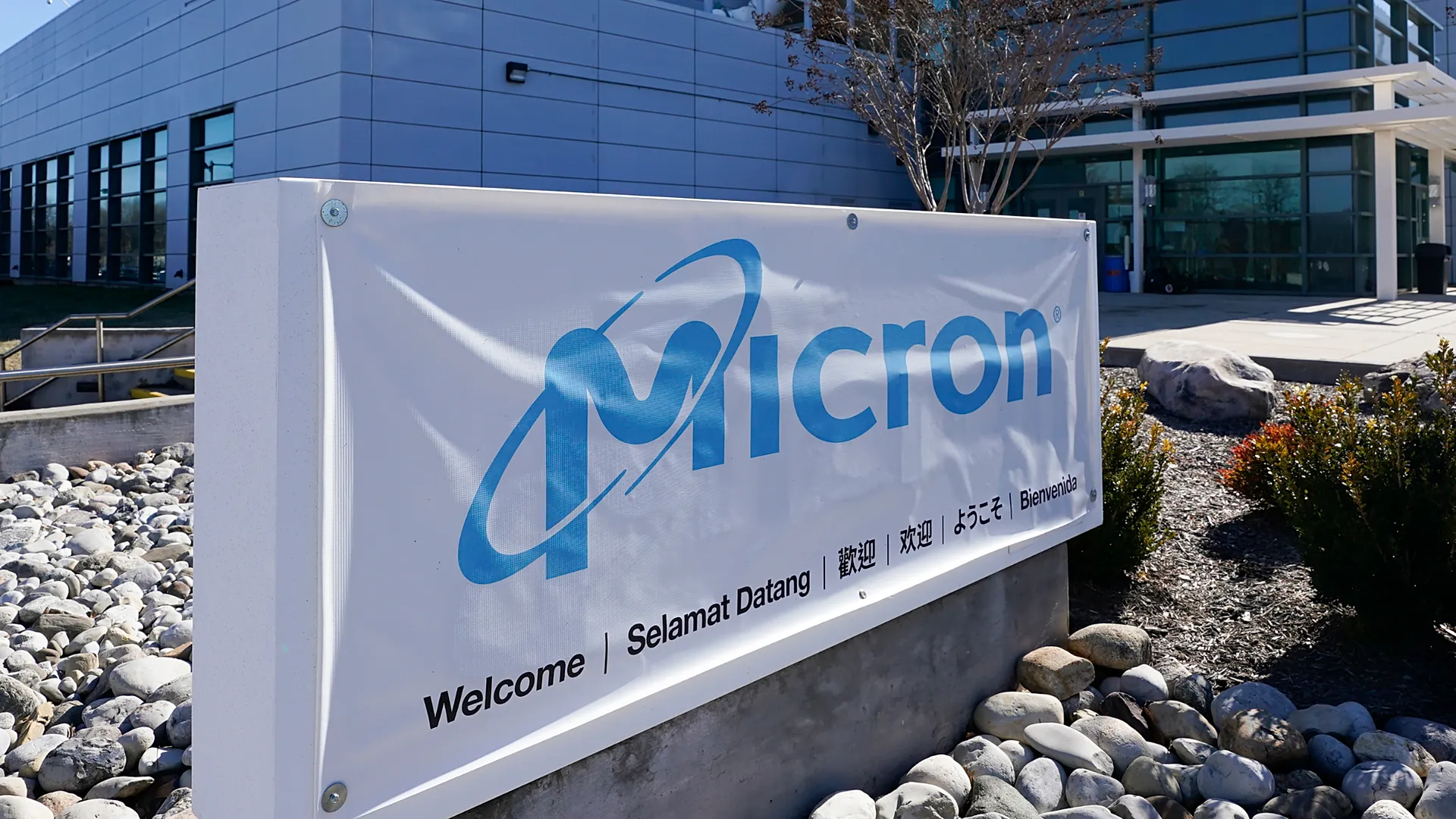
The artificial intelligence boom is reshaping the global memory market.
Boise, June 2026
Micron Technology reported record quarterly results as surging demand for artificial intelligence infrastructure transformed the economics of the memory-chip industry. The American semiconductor manufacturer generated fiscal third-quarter revenue of $41.46 billion, more than four times the amount recorded during the same period a year earlier. Adjusted earnings reached $25.11 per share, while net profit expanded by approximately fifteen times. The figures exceeded market expectations and reinforced Micron’s position as one of the principal beneficiaries of global investment in AI data centers.
The company’s performance was driven by extraordinary demand for high-bandwidth memory, commonly known as HBM, which is installed alongside advanced processors used to train and operate artificial intelligence systems. These components allow enormous volumes of data to move rapidly between processors and memory, reducing the bottlenecks that can limit the performance of AI models. As technology companies build larger data centers and deploy more complex applications, memory has become as strategically important as the processors themselves. Micron now operates at the center of that infrastructure race.
Revenue increased by 346 percent compared with the same quarter of the previous fiscal year. Adjusted earnings per share rose by more than 1,200 percent, reflecting both increased sales and stronger pricing. The company’s adjusted gross margin reached 84.6 percent, compared with 37.7 percent a year earlier. That expansion illustrates the negotiating power memory manufacturers have gained as demand continues to exceed available production.
Micron also delivered results well above analysts’ forecasts. The market had expected revenue of approximately $36 billion and adjusted earnings closer to $21 per share. The company surpassed both estimates by a considerable margin and issued an even stronger forecast for the following quarter. It expects revenue between $49 billion and $51 billion, with adjusted earnings ranging from $30 to $32 per share.
The announcement triggered a sharp rise in Micron’s shares and lifted other semiconductor companies across global markets. Investors interpreted the report as evidence that spending on artificial intelligence infrastructure remains strong despite concerns about high valuations and the enormous cost of constructing data centers. Micron’s market capitalization approached $1.4 trillion, briefly placing it above some of the world’s largest technology and automotive companies. Its shares have more than tripled since the beginning of 2026.
Chief executive Sanjay Mehrotra said the results demonstrate the strategic value of memory in the artificial intelligence era. He indicated that supply constraints are likely to continue beyond 2027 because growth in demand is occurring across data centers, consumer electronics and automotive applications. Micron currently cannot satisfy every request it receives from customers. This imbalance allows the company to prioritize high-value products and maintain premium prices.
The supply shortage is partly structural. High-bandwidth memory requires more manufacturing capacity than conventional memory because its advanced architecture involves stacking multiple layers of chips and connecting them through complex packaging processes. Producing HBM therefore consumes a greater proportion of each semiconductor wafer. As manufacturers allocate more capacity to these profitable products, supplies of memory used in computers, smartphones and other devices can also tighten.
Micron has secured approximately $22 billion in commitments from 16 strategic customers seeking guaranteed access to memory components. Some of the agreements include minimum-purchase obligations, advance payments and pricing protections. The contracts cover data centers, consumer devices and vehicles, creating greater visibility over future revenue. The company also reported nearly $100 billion in remaining obligations connected to long-term customer agreements.
These arrangements represent a significant change for an industry historically known for extreme cycles. Memory manufacturers have often expanded production during periods of high demand, only to face falling prices when supply exceeded consumption. Long-term agreements could reduce that volatility by securing demand before new factories enter operation. They also transfer part of the investment risk to customers that urgently need guaranteed production capacity.
Artificial intelligence has changed how large technology companies approach memory procurement. In previous cycles, buyers could negotiate lower prices or delay orders when supplies became abundant. Today, companies developing AI services risk losing market position if they cannot obtain enough hardware. Securing memory has therefore become a strategic decision rather than a routine purchasing activity.
Micron competes primarily with South Korea’s SK Hynix and Samsung Electronics in the advanced memory market. All three companies are increasing investment to expand production, but building new semiconductor facilities requires years and billions of dollars. Micron expects capital expenditure of approximately $10 billion during the fourth quarter alone. Its wider expansion plans include major manufacturing projects in the United States and Asia.
The company’s relationship with Nvidia has also strengthened its position. Micron supplies high-bandwidth memory used with some of Nvidia’s artificial intelligence processors, which dominate the data-center accelerator market. As demand for those systems increases, memory suppliers gain exposure to the same growth. The relationship illustrates how the AI economy depends on an interconnected chain of processors, memory, networking equipment, electricity and cooling infrastructure.
However, the record results also introduce risks. Micron’s profitability depends partly on continued shortages and elevated memory prices. If production catches up with demand more quickly than expected, margins could fall sharply. Competitors may introduce additional capacity, while customers could adopt cheaper forms of memory or redesign systems to reduce their dependence on premium components.
High memory prices could also raise costs for consumers. Manufacturers of smartphones, computers and other electronics may eventually pass increased component expenses to buyers. Companies already face pressure from rising data-center investment, energy consumption and advanced packaging costs. The AI boom may therefore strengthen semiconductor profits while contributing to higher prices across the technology sector.
Another uncertainty concerns whether investment in artificial intelligence will continue at its current pace. The largest technology companies are spending unprecedented sums on infrastructure, but investors increasingly expect those investments to generate measurable revenue. A slowdown in AI adoption or weaker returns from new services could lead customers to reconsider expansion plans. Micron’s long-term contracts provide protection, but they cannot eliminate broader economic risk.
For now, the company’s figures indicate that demand remains exceptionally strong. Memory is no longer viewed as a secondary component within the semiconductor ecosystem. It has become one of the principal constraints determining how quickly artificial intelligence systems can grow. Micron’s record quarter reflects that transformation and confirms that the infrastructure behind AI is generating enormous financial consequences.
The company has moved from the instability of the traditional memory cycle into a period of unusual pricing power, contracted demand and rapid expansion. Whether this represents a permanent structural shift or another exceptionally strong phase remains uncertain. What is clear is that artificial intelligence has multiplied Micron’s profits and elevated memory technology to the center of the global semiconductor economy.
La tecnología avanza; el contexto decide. / Technology advances; context decides.