

 Phoenix 24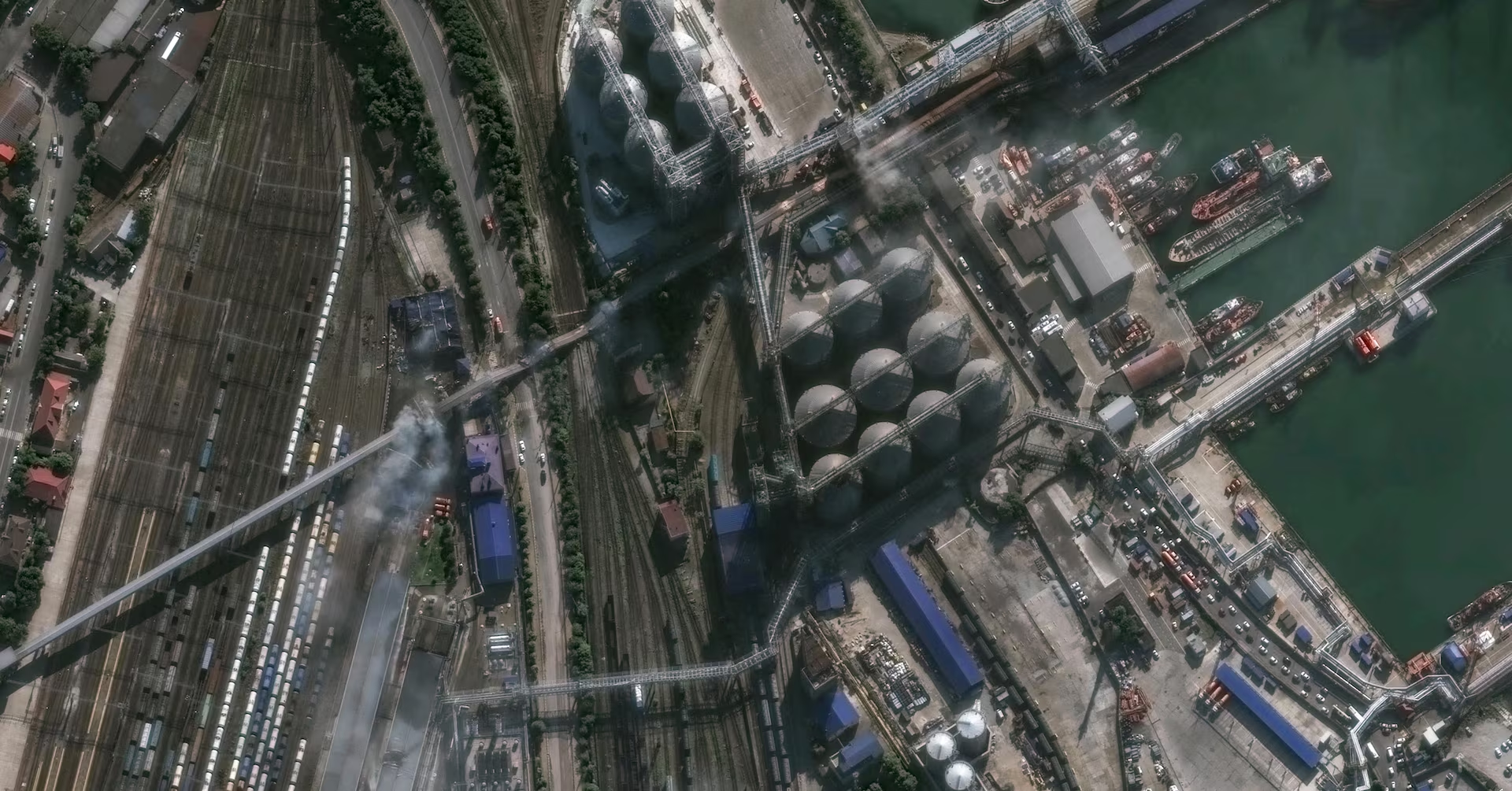
The maritime corridor is becoming another front without boundaries.
Odesa, August 2026
Russian forces struck vessels and port infrastructure around Odesa after Moscow rejected proposals for a moratorium on military operations in the Black Sea. Russia’s Defence Ministry claimed that its forces hit three merchant ships and two oil tankers allegedly transporting military equipment and fuel for Ukraine. It also said another vessel carrying Western weapons was destroyed east of Odesa. The identities, cargoes and condition of the ships could not immediately be independently confirmed.
Russian drones also targeted Ukrainian patrol boats moored approximately 138 kilometres southwest of Odesa and a facility reportedly used to assemble unmanned maritime systems about 40 kilometres from the city. Moscow presented the operation as an attack against vessels and infrastructure supporting Ukraine’s military. The distinction between civilian and military shipping remains heavily contested because commercial vessels can carry strategic cargo during wartime. That ambiguity is increasing the danger for crews, insurers and international shipping companies operating across the region.
The strikes followed a major Ukrainian operation against Russia’s principal Black Sea naval base at Novorossiysk. Kyiv said its drones and missiles damaged two frigates, a large landing ship, a corvette and other vessels, along with oil and grain-export infrastructure. Satellite images later showed damage around the port, where two important grain terminals suspended operations. Russia had previously transferred much of its Black Sea Fleet to Novorossiysk after repeated Ukrainian attacks against Sevastopol in occupied Crimea.
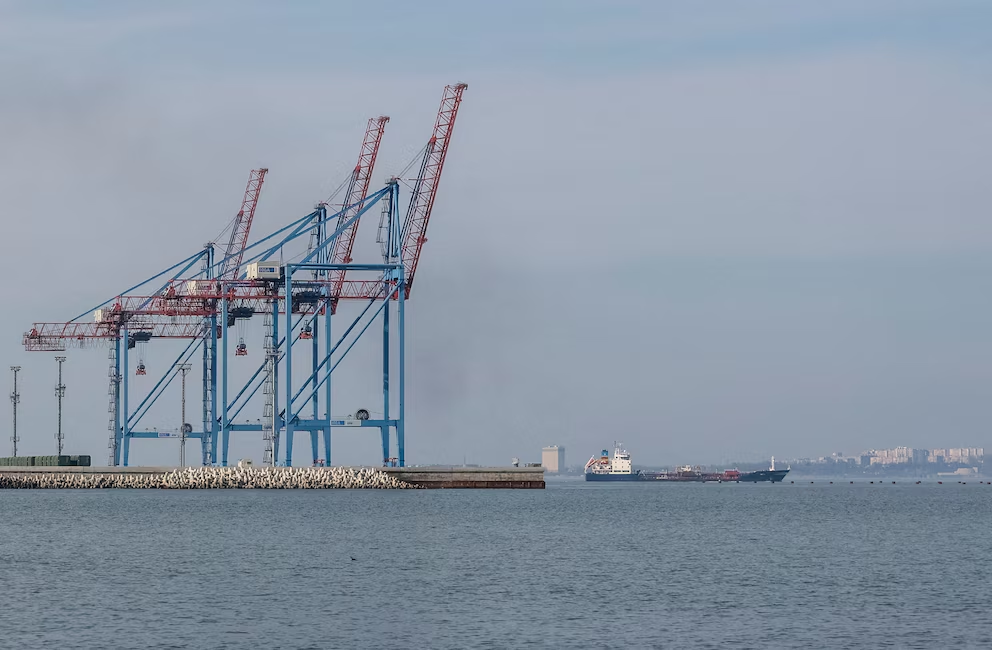
Ukraine reportedly proposed through Türkiye that both countries halt attacks on civilian vessels and maritime infrastructure. Russian Foreign Ministry spokesperson Maria Zakharova dismissed the initiative as a partial measure that would merely provide Kyiv with temporary relief, while saying Moscow had received no formal Turkish proposal. Russia also ruled out restoring the previous Black Sea Grain Initiative, which operated between 2022 and 2023. Türkiye continues to occupy a critical position because it controls access between the Black Sea and the Mediterranean through the Bosphorus.
The collapse of maritime security is already affecting international food markets. Wheat prices rose approximately 20 percent during July, reaching their highest level since March 2024, according to figures cited by the United Nations. Russian grain exports fell 22 percent during the first ten days of August after declining 26.6 percent in July, while Ukrainian shipments have also suffered as shipowners avoid ports exposed to attack. Disruption on both sides demonstrates how the weaponization of shipping can damage the economies of the belligerents while transferring costs to food-importing nations far beyond Europe.
The Odesa attack occurred amid one of the largest exchanges of drones and missiles since the war began. Ukraine launched hundreds of drones across Russian territory, while Russian strikes hit several Ukrainian cities and industrial facilities, leaving civilian casualties on both sides. As operations expand from battlefields to ports, warehouses, energy systems and commercial vessels, the Black Sea is losing its role as a shared economic corridor. Every rejected truce now carries consequences measured not only in military advantage, but also in damaged ships, disrupted harvests and rising food prices across the world.
War redraws borders. Hunger crosses them. / La guerra redibuja fronteras. El hambre las atraviesa.