

 Phoenix 24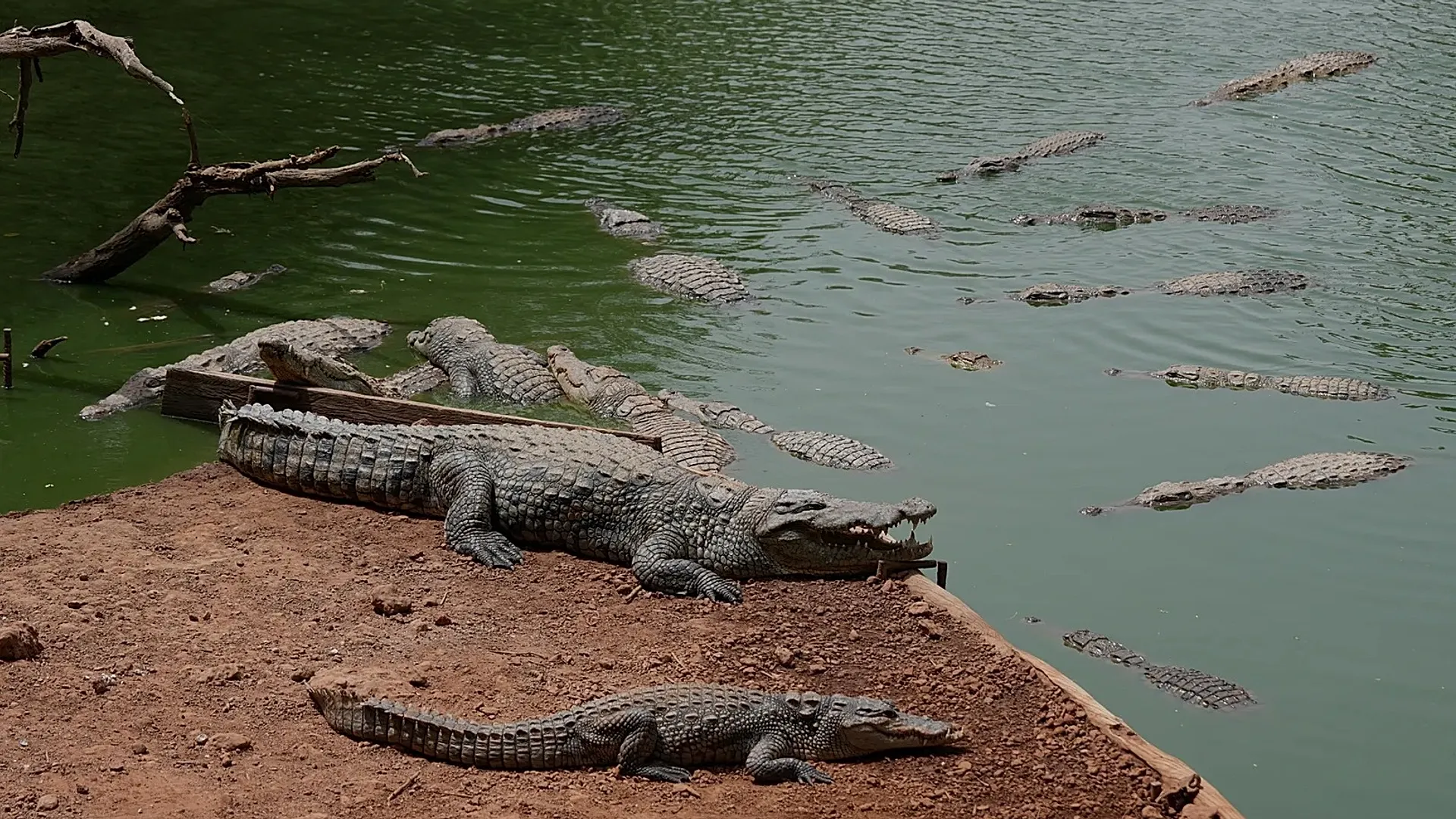
A family attraction became the scene of a criminal inquiry.
CAMBRIDGESHIRE, United Kingdom | June 2026
British police arrested a 30-year-old man on suspicion of attempted murder after a three-year-old boy fell into a crocodile enclosure at a zoo in Cambridgeshire. The child was taken to hospital with serious injuries and remained under specialist medical care while investigators began reconstructing the circumstances of the incident. Authorities have not publicly established whether the boy was attacked by one of the animals or injured during the fall. The case has generated intense concern because it combines a child-protection emergency, a dangerous-animal enclosure and a possible deliberate criminal act.
Emergency services were called to Johnsons of Old Hurst, a family-run visitor attraction located northwest of Cambridge, after receiving reports that a young child had entered the restricted crocodile area. Police officers, paramedics and zoo personnel responded to the scene as the child was rescued and transferred for treatment. The attraction includes a farm, food businesses and a collection of exotic animals visited regularly by families. Its operations came under immediate scrutiny as investigators secured the area and began gathering evidence.
The arrested suspect, a man from Norfolk, was taken into custody for questioning as part of the major crime investigation. Police indicated that initial inquiries suggested the man and the child were not known to each other, a detail that increased the seriousness and complexity of the case. Authorities have not disclosed what action allegedly led to the boy entering the enclosure. They have also avoided releasing the suspect’s identity while the investigation remains active and before any formal charge is announced.
Detectives are expected to examine surveillance footage, witness statements and the physical layout surrounding the crocodile enclosure. Investigators will need to determine where the child was before the incident, who was nearby and whether any person made physical contact with him. They will also assess the height, condition and accessibility of the protective barriers separating visitors from the animals. A precise timeline will be essential to establish whether the event was accidental, negligent or intentional.
The child’s injuries remain one of the most sensitive aspects of the inquiry. Medical findings could help investigators determine whether the harm resulted from the fall, contact with objects inside the enclosure or interaction with a crocodile. Police have deliberately avoided speculation while doctors continue evaluating and treating the boy. Specially trained officers are also supporting his family during a period marked by uncertainty and distress.
The attempted murder arrest does not mean that the suspect has been convicted or even formally charged. Under British criminal procedure, police may arrest and question a person when they have reasonable grounds to suspect involvement in a serious offence. Prosecutors must later decide whether the available evidence meets the threshold required to bring charges. That distinction is particularly important in a case where many central facts have not yet been made public.
The investigation may also expand beyond the conduct of the arrested man. Local licensing authorities and animal-welfare regulators could review whether the zoo’s safety systems complied with the standards required for housing dangerous species. Such an examination would likely include barriers, restricted-access points, warning signs, employee supervision and emergency response procedures. Even when criminal responsibility is suspected, institutions must still determine whether additional safeguards could have prevented or limited the incident.
Zoos and wildlife attractions face a heightened duty of care because young children may not fully understand warnings or physical boundaries. Safety therefore depends on multiple protective layers rather than on parental vigilance alone. Secure enclosures, controlled visitor routes and rapid staff intervention are necessary when powerful animals are kept close to public spaces. Any weakness in those systems can have immediate and potentially irreversible consequences.
Johnsons of Old Hurst is known as a mixed rural attraction combining agricultural activity with dining facilities and an exotic-animal collection. The presence of crocodiles, big cats and other species forms part of its appeal, but it also creates significant operational responsibilities. Following the incident, public attention has shifted from the attraction itself to the effectiveness of its security measures. Authorities have not yet announced the outcome of any separate regulatory inspection.
Witness testimony will be decisive because the event apparently unfolded in an area open to visitors during normal operating hours. Detectives may interview families, employees and other people who were near the enclosure when the child fell. Their accounts could clarify whether there was a confrontation, a sudden movement or an earlier interaction involving the suspect. Investigators must compare those statements with video recordings and forensic evidence before reaching a conclusion.
The case has prompted broader questions about how public attractions protect children in environments containing dangerous animals. Families expect that enclosures will prevent accidental access even when visitors become distracted or children move unexpectedly. At the same time, no physical barrier is designed to anticipate every possible deliberate act by another person. The investigation must therefore separate institutional safety questions from the alleged individual conduct that led police to suspect attempted murder.
For now, the priority remains the child’s recovery and the careful collection of evidence. Police have urged the public to avoid speculation while detectives continue their inquiries and medical teams monitor the boy’s condition. The arrest represents the beginning of a legal process, not its conclusion, and significant questions remain unanswered. What began as an emergency at a family attraction has become a serious criminal investigation with consequences for the suspect, the zoo and the wider debate over public safety.
Cada silencio habla. / Every silence speaks.