

 Phoenix 24
A symbolic message becomes a security and democracy issue
Culiacán, Mexico | June 2026
Authorities in Sinaloa have opened an investigation after a funeral wreath was left outside the residence of local legislator Paola Gárate, an incident that has triggered concerns about political intimidation and public safety. The lawmaker subsequently called for protective measures, arguing that the act cannot be dismissed as a simple provocation given the broader security environment in the region.
In many societies, a funeral wreath carries a powerful symbolic meaning. When placed outside the home of a public official, it is often interpreted not as a gesture of mourning but as a message intended to generate fear, uncertainty and psychological pressure. Such acts frequently seek to influence behavior without requiring direct physical violence.
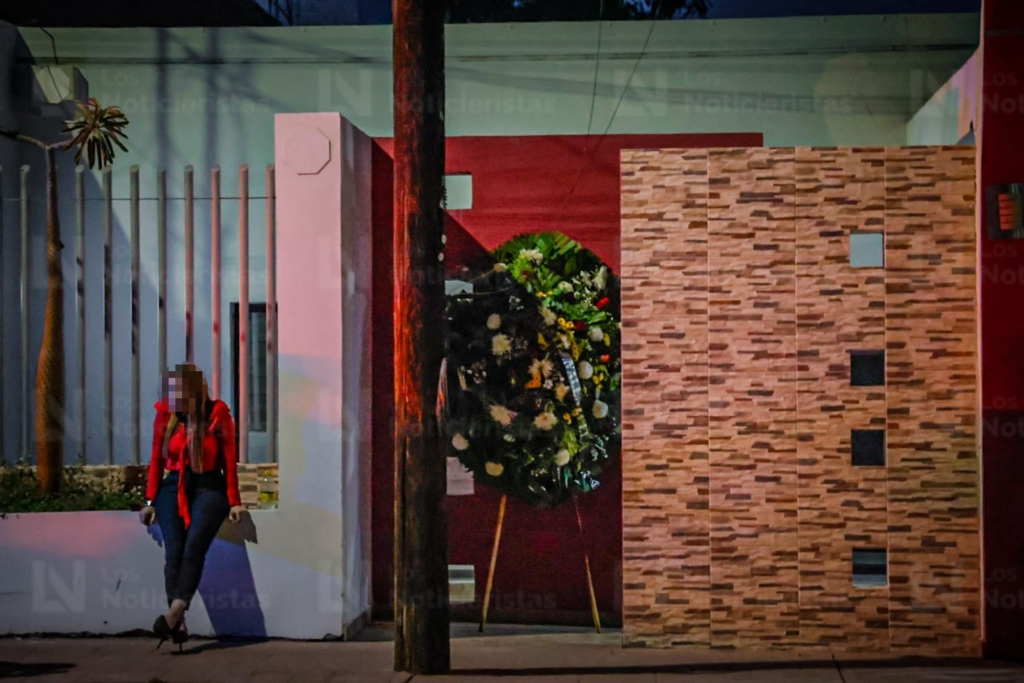
The incident highlights a challenge facing democratic institutions in areas affected by organized crime and political polarization. Threats do not always arrive through explicit statements. Symbolic actions can be equally effective in creating a climate of intimidation because they leave room for interpretation while maximizing psychological impact. The ambiguity itself becomes part of the message.
For elected officials, these situations extend beyond personal security. They can affect decision-making, public engagement and the willingness of individuals to participate in political life. When intimidation becomes normalized, democratic processes may suffer long before any physical attack occurs.
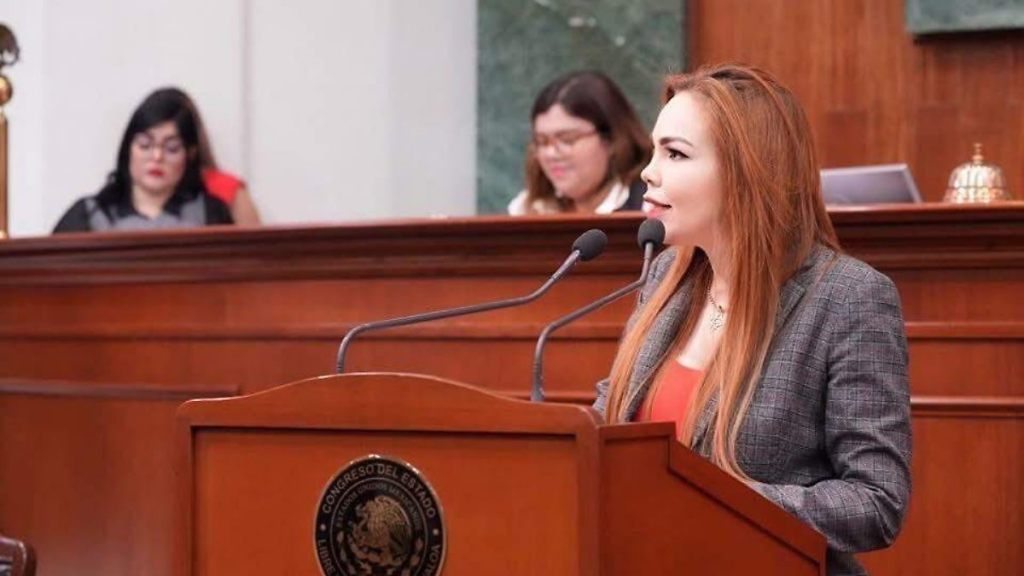
The response from authorities will therefore be closely watched. Investigators must determine whether the act was intended as a criminal threat, a political warning or another form of harassment. Regardless of the outcome, the episode underscores the importance of ensuring that public representatives can perform their duties without fear of coercion.
The case also reflects a broader reality facing many democracies: modern intimidation often relies as much on psychological impact as on direct force. Symbols, messages and public displays can become instruments of influence designed to shape perceptions and behavior.
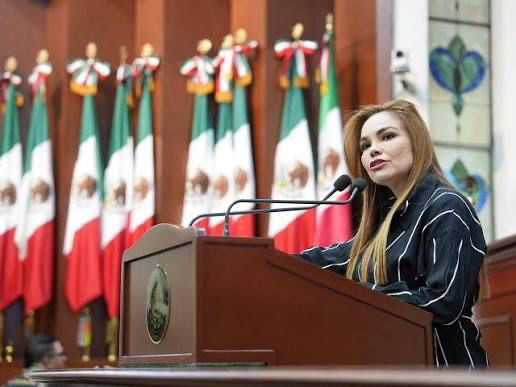
As the investigation moves forward, the focus will remain on accountability, security and the protection of democratic participation. In environments where fear can become a political tool, institutional responses are often as important as the incident itself.
Where intimidation seeks silence, institutions must answer with certainty.
Donde la intimidación busca silencio, las instituciones deben responder con certeza.