

 Phoenix 24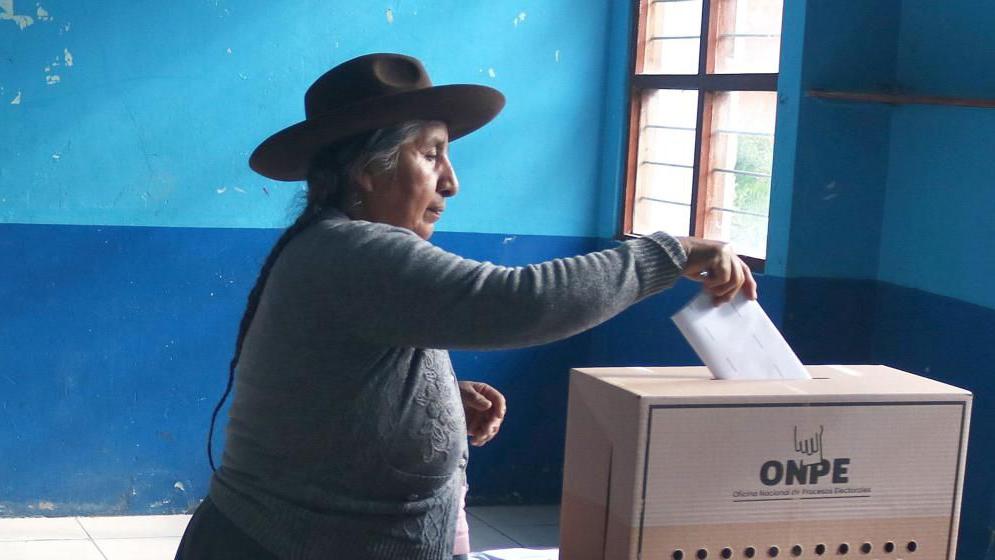
Every ballot now carries institutional weight.
Lima, June 2026. Keiko Fujimori has urged Fuerza Popular’s election monitors to defend every vote and wait for the overseas ballots as Peru’s presidential runoff remains trapped in an exceptionally narrow margin. The appeal came as the official count placed Roberto Sánchez slightly ahead, transforming the final stretch of the vote tally into a political stress test for one of Latin America’s most unstable democracies.
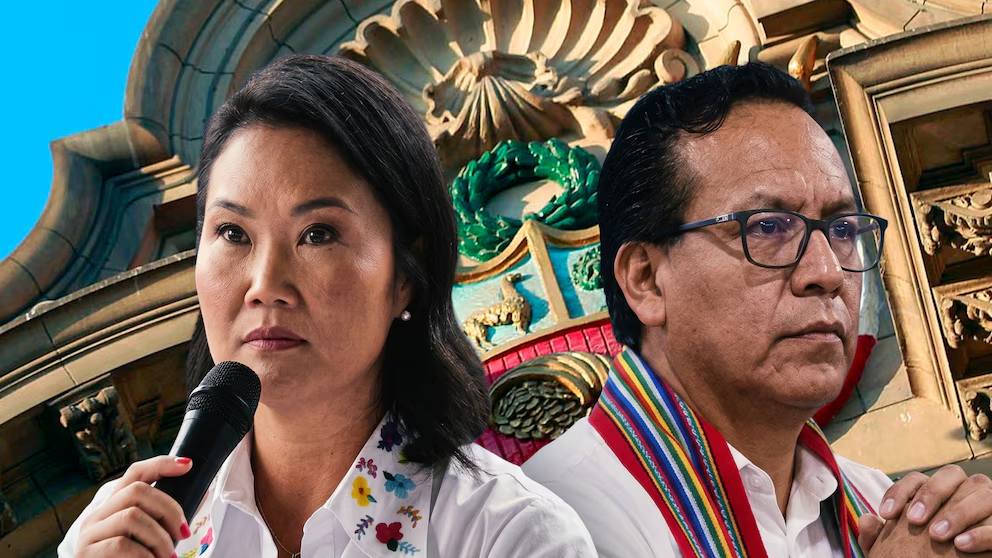
The message from Fujimori reflects both electoral discipline and political survival. In a contest separated by thousands, not millions, of votes, party representatives at polling stations and electoral offices become decisive actors. Their task is not merely symbolic. They review tally sheets, challenge irregularities, monitor procedural disputes and ensure that every legally valid vote is counted before any candidate claims victory or concedes defeat.
The overseas vote has now acquired strategic importance. For Peruvian politics, ballots from abroad are not a marginal detail but a potential factor in close elections, especially when margins are compressed to the limit. Fujimori’s call to wait for those returns signals a familiar posture in her political career: insistence on exhausting the institutional process before accepting a definitive outcome.
This moment also revives Peru’s recent electoral memory. Fujimori has already experienced razor-thin defeats in previous presidential races, and those precedents weigh heavily on the current atmosphere. Her supporters see vigilance as necessary protection against error or manipulation, while critics warn that prolonged contestation could feed distrust in electoral authorities. The line between legitimate scrutiny and political pressure is therefore thin.

Roberto Sánchez’s narrow advantage has added another layer of uncertainty. His rise in the official count reflects the weight of rural and late-reporting votes, a pattern that has shaped recent Peruvian elections. The political geography is familiar: urban and conservative constituencies on one side, more rural and left-leaning sectors on the other, with the presidency depending on how those fragments are aggregated through the official count.
The deeper issue is not only who wins, but whether the losing side accepts the result without detonating another institutional crisis. Peru has endured years of political volatility, presidential turnover, congressional confrontation and public disillusionment. A disputed election could intensify that fragility, especially if party rhetoric begins to outpace the legal process.
Fujimori’s instruction to “fight the votes” therefore carries a double meaning. Within democratic procedure, it can be read as a call for vigilance, representation and legal review. In a polarized environment, however, it also risks escalating suspicion if not carefully contained. The coming days will reveal whether Peru’s institutions can absorb a close result without collapsing into another cycle of accusation, mobilization and paralysis.
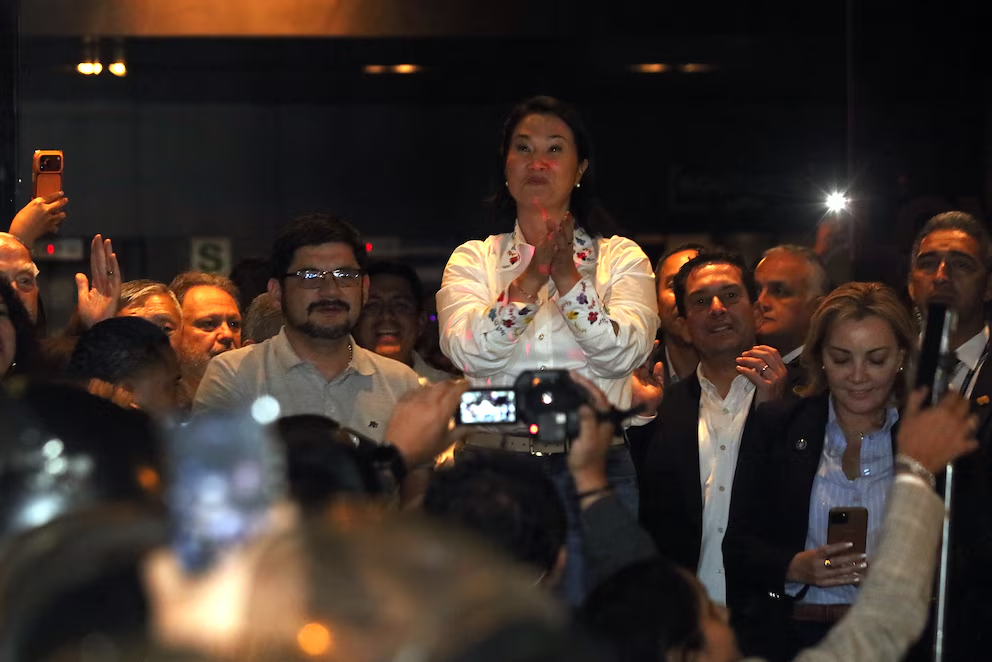
For now, the country remains suspended between arithmetic and legitimacy. The ballots are still being counted, but the larger question is already clear: whether Peru’s political actors can allow the institutions to finish their work before turning uncertainty into confrontation.
Truth is structure, not noise. / La verdad es estructura, no ruido.