

 Phoenix 24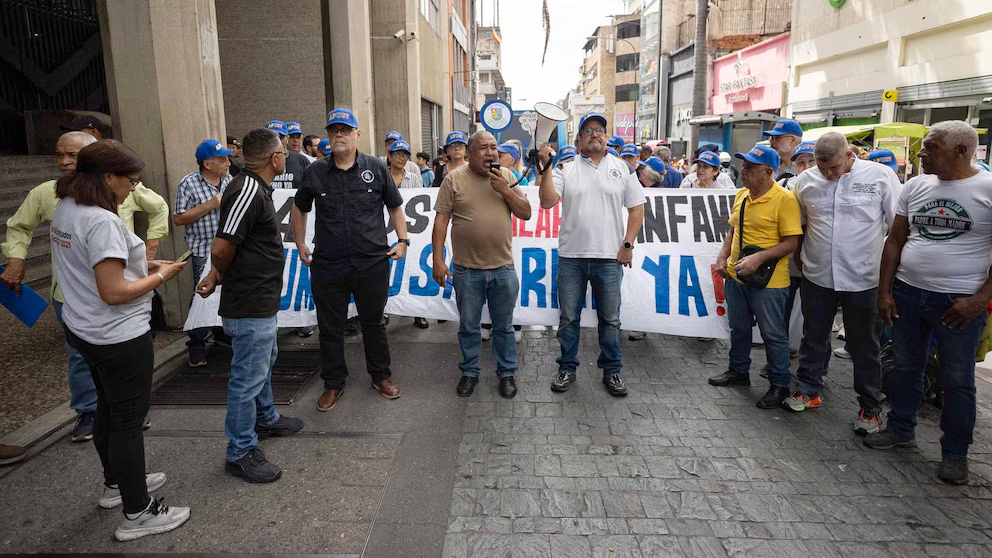
A university cannot survive on symbolic pay.
Caracas, May 2026. Venezuelan university professors returned to the streets to denounce a salary crisis that has turned academic work into a form of institutional endurance. Their central message was direct: a bonus is not a salary. Behind that phrase lies one of the deepest fractures in Venezuela’s public sector, where government compensation has increasingly shifted toward discretionary payments that do not restore labor rights, pensions or formal wage scales.
The protest reflects more than an income dispute. It exposes the slow erosion of the university as a national institution. Professors, researchers and administrative workers are being pushed into precarious survival while classrooms, laboratories and academic programs lose the human infrastructure that sustains them. When salaries cease to function as salaries, education stops being a stable public service and becomes a fragile act of resistance.
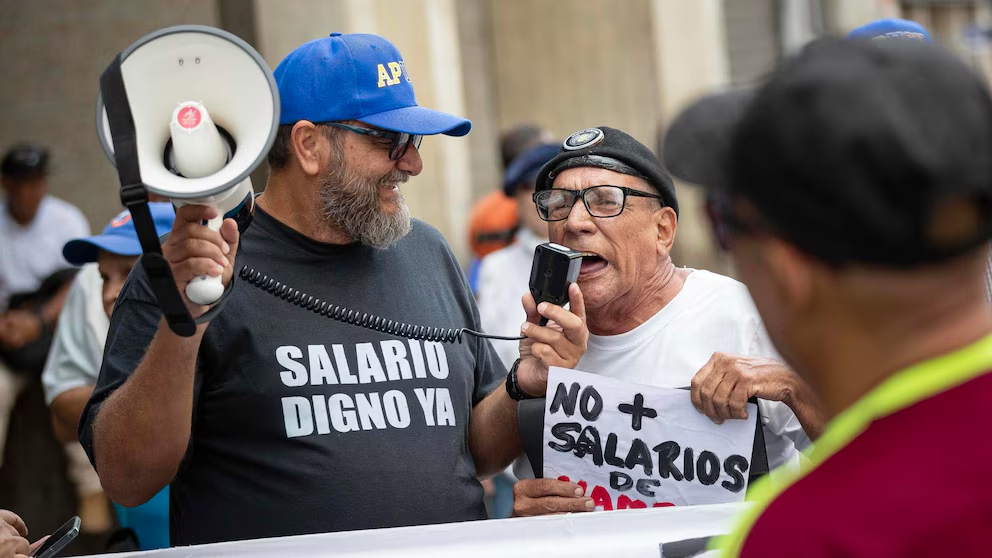
The Venezuelan government has presented income adjustments through bonuses as a way to ease economic pressure without formally rebuilding the salary base. For workers, however, that model weakens benefits, distorts collective bargaining and leaves retirement protections exposed. The result is a parallel wage system that gives temporary relief while avoiding the structural obligations of a real labor policy.
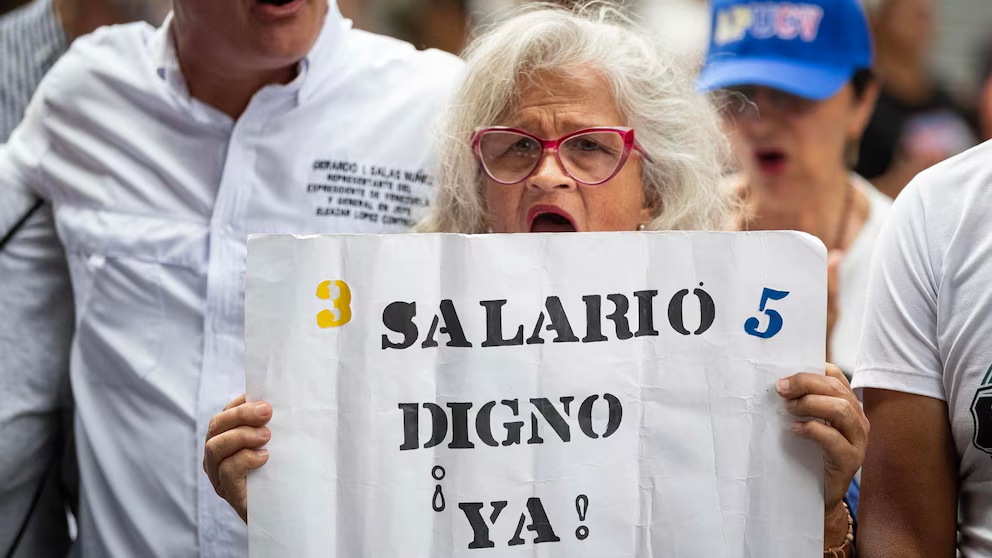
What is at stake is not only the purchasing power of professors, but the future of critical knowledge inside Venezuela. A country that underpays its universities also undercuts research, professional formation and institutional memory. The chant against bonuses is therefore more than a labor slogan; it is a warning that the collapse of academic dignity becomes, sooner or later, the collapse of national capacity.
Contra la propaganda, memoria. / Against propaganda, memory.