

 Phoenix 24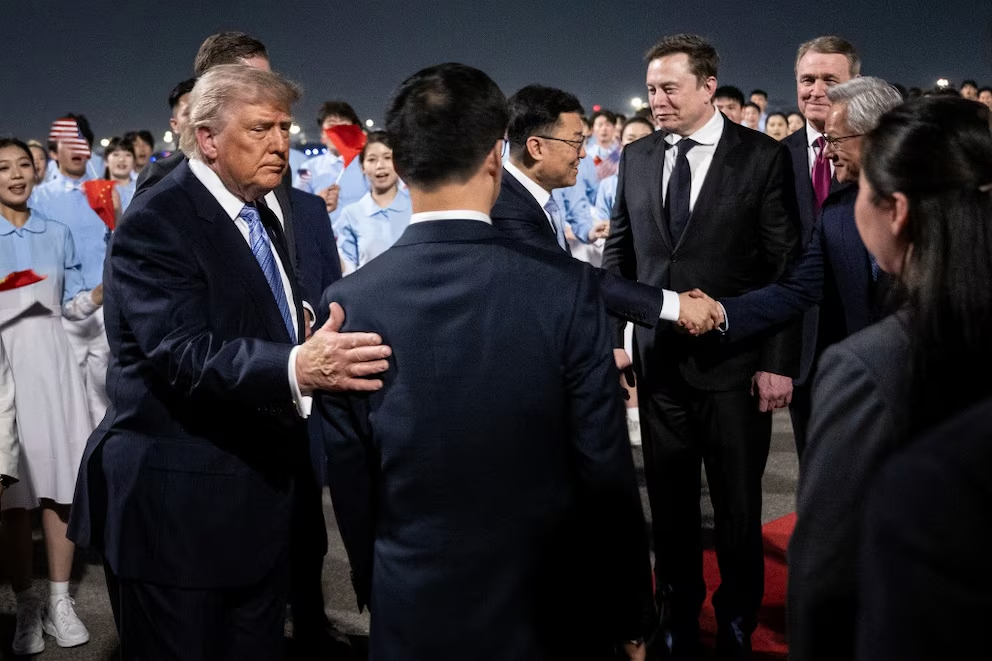
The summit is really about strategic access.
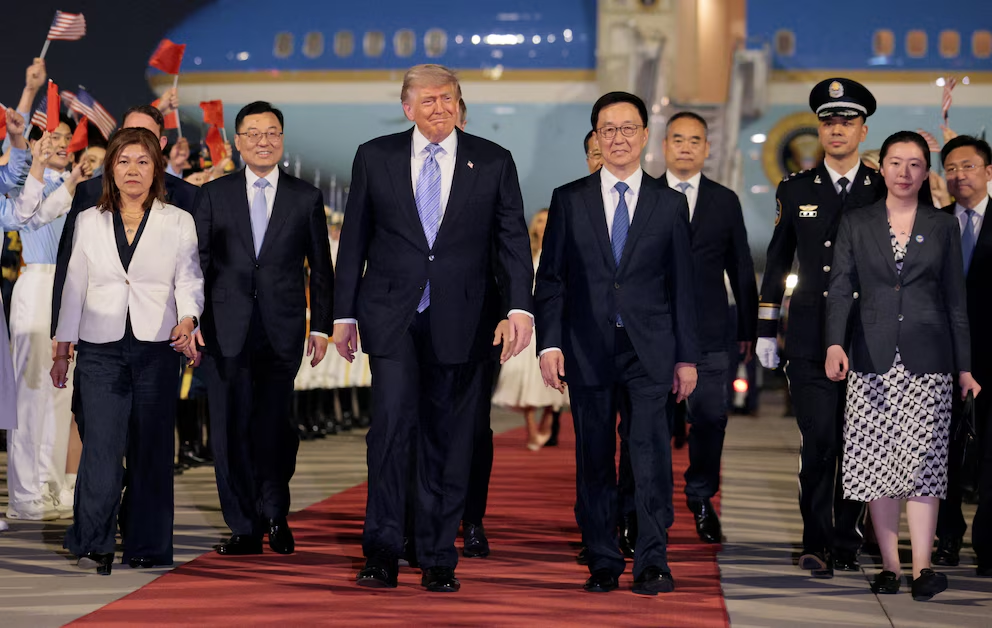
Beijing, May 2026. Donald Trump arrived in China carrying a message shaped less by diplomacy than by commercial pressure: Washington wants deeper access to the Chinese market, fewer regulatory barriers for U.S. companies and larger Chinese purchases of American products. The composition of the U.S. delegation made the objective unmistakable: the summit operates as both statecraft and business mission.
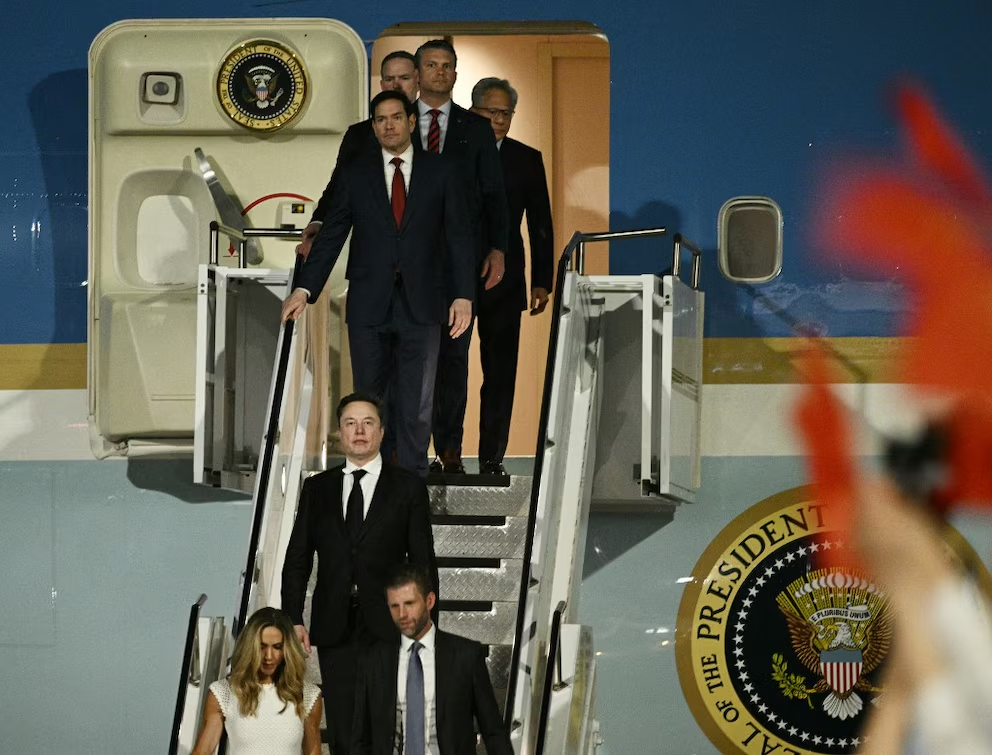
At the center of the negotiations is the demand that Beijing open its economy to American firms operating in sectors such as artificial intelligence, semiconductors, aviation, agriculture and energy. Trump is seeking broader market access and fewer restrictions affecting major U.S. companies, while also pushing China to increase purchases of American aircraft, soybeans, poultry and energy exports.
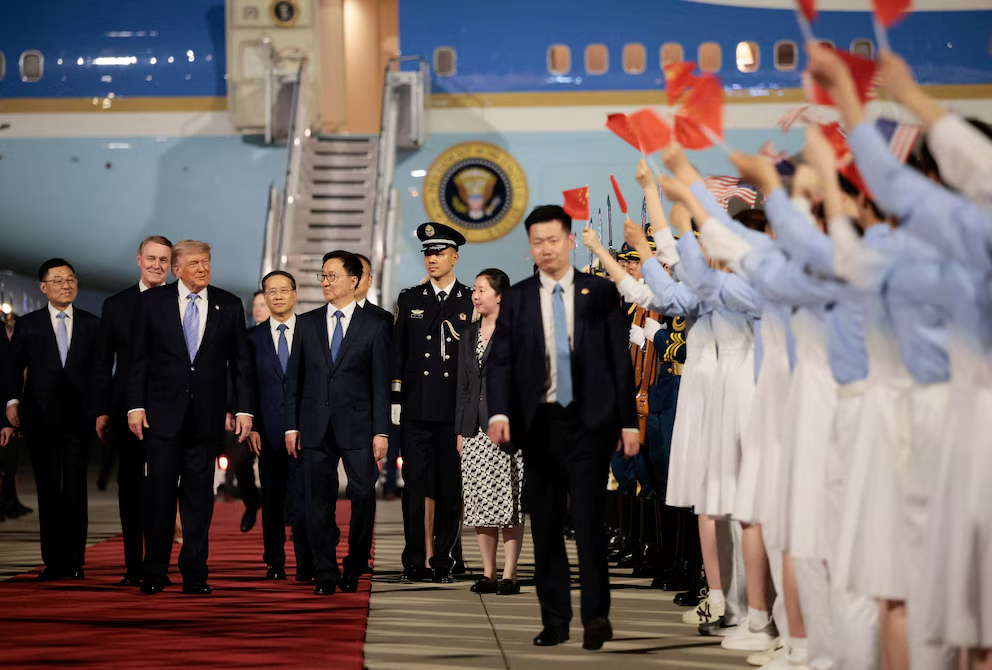
The summit, however, extends far beyond trade balances. Taiwan, export controls, rare earth minerals and Middle East instability remain embedded inside the negotiations. Beijing continues to treat technology restrictions and Taiwan policy as strategic pressure points, while Washington seeks guarantees tied to supply chains, energy stability and industrial access. Both powers are therefore negotiating under a fragile logic: economic cooperation without strategic trust.
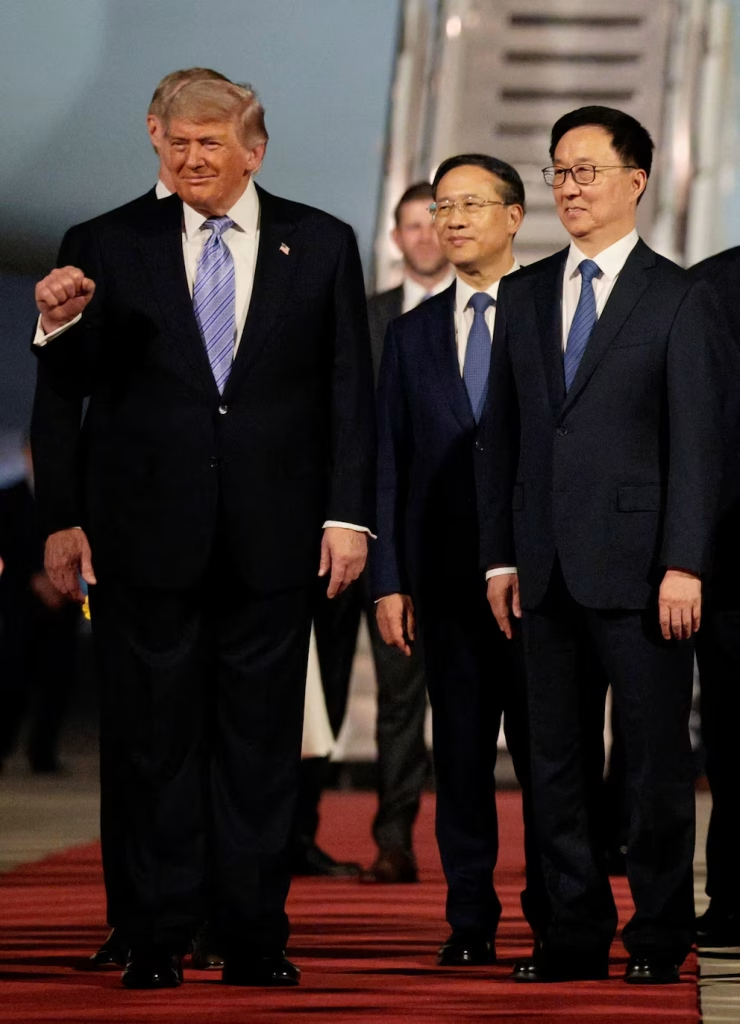
What makes the meeting unusually significant is timing. The United States arrives facing inflationary pressure and geopolitical strain, while China enters the talks from a position of industrial resilience and long-term manufacturing leverage. Trump needs visible economic wins, but Xi understands that China still controls key strategic cards in rare earths, production capacity and supply-chain depth.
The result may not be a historic agreement, but rather a managed truce between two systems increasingly dependent on each other while simultaneously preparing for long-term confrontation. The language of globalization is no longer integration. It is controlled interdependence under strategic suspicion.
Lo visible y lo oculto, en contexto. / The visible and the hidden, in context.