

 Phoenix 24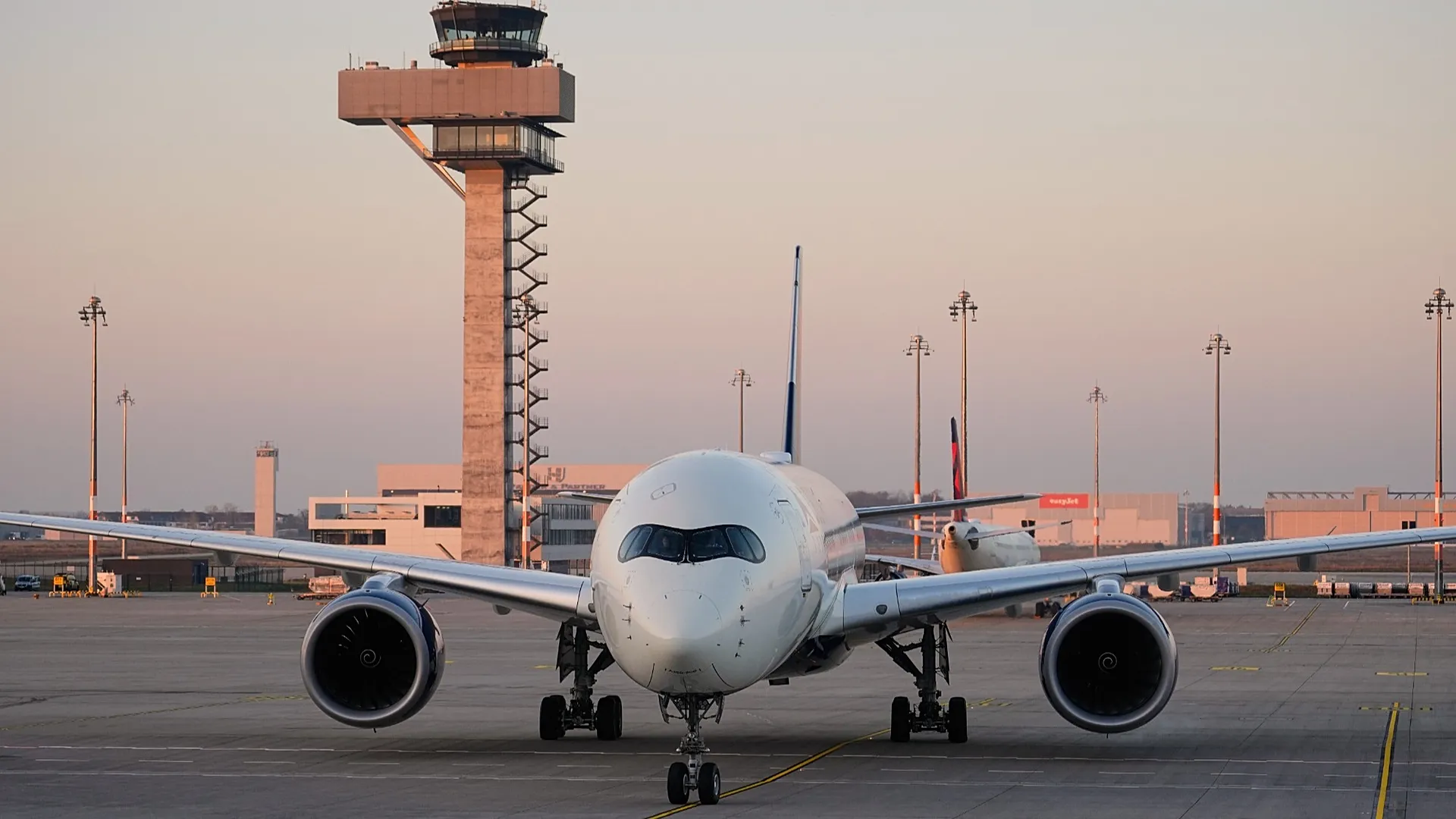
Hormuz is reshaping aviation security.
Berlin, May 2026. Israel will supply aviation fuel to Germany as Europe confronts a deepening jet fuel crisis linked to instability around the Strait of Hormuz. The move responds to emergency pressure on European aviation, where fuel availability, airline operations and summer travel planning are increasingly exposed to geopolitical disruption.
This is not only a logistics arrangement. It shows how quickly Europe’s energy dependencies are being reorganized under crisis conditions, with Israel moving into a more visible role as an emergency fuel partner for a major European economy. Aviation fuel has become a strategic commodity because every shortage immediately affects airlines, airports, tourism, cargo routes and inflation expectations.
Germany’s decision reflects the broader fragility of Europe’s post-Russia energy architecture. After reducing dependence on Moscow, the continent remains exposed to maritime chokepoints, refinery bottlenecks and regional wars capable of interrupting refined fuel flows. Hormuz is no longer just a geopolitical corridor; it is a pressure valve for the global transport economy.
The agreement also gives Israel additional leverage in Europe at a moment of intense diplomatic tension over Gaza, Iran and regional security. Energy support can soften political isolation, strengthen bilateral ties and reposition Tel Aviv as a practical security partner beyond military cooperation. In a crisis economy, fuel becomes diplomacy by other means.
For Europe, the warning is clear. Strategic autonomy cannot depend only on replacing one supplier with another if the deeper structure of vulnerability remains intact. The question is no longer who sells the fuel, but whether Europe can keep its essential systems moving when war, markets and maritime routes collide.
Hechos que no se doblan. / Facts that do not bend.