

 Phoenix 24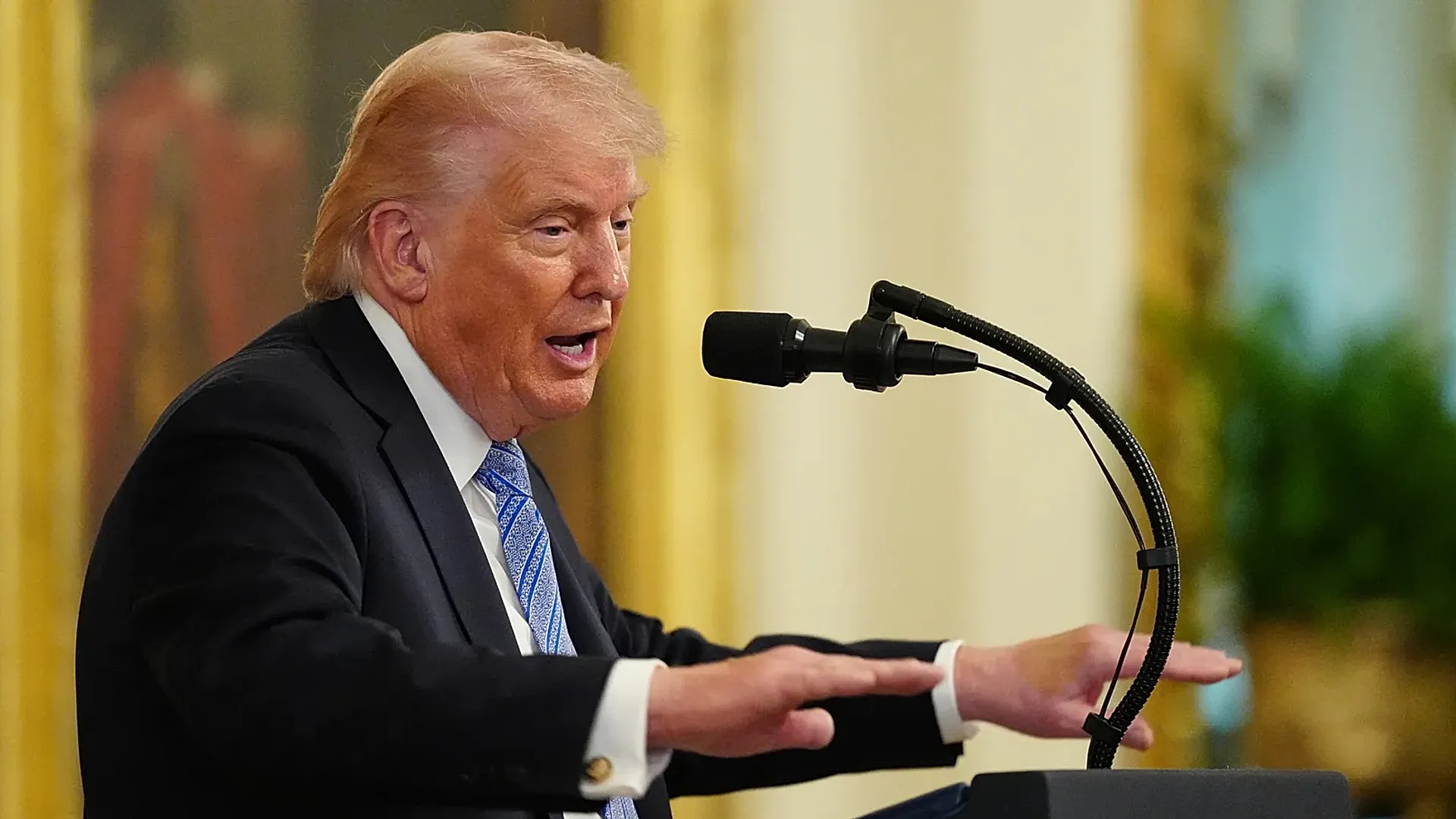
Trade discipline becomes strategic defense.
Brussels, May 2026. European Union finance ministers are responding cautiously to Donald Trump’s renewed threat to impose 25% tariffs on EU cars, choosing restraint over escalation as transatlantic tensions deepen. The ministers, meeting in Brussels, signaled that the bloc will continue working within the trade framework agreed with Washington in July 2025, which capped tariffs on most EU goods at 15%.
The message is deliberate. Europe does not want to appear weak, but it also does not want to turn a tariff threat into a full commercial confrontation before the existing agreement is fully implemented. That balance reflects the EU’s broader dilemma: defending its industrial interests without accelerating a trade war that could hit Germany’s automotive sector, European manufacturers and global supply chains at once.
Trump’s threat is not isolated from the wider geopolitical climate. It comes amid friction over Iran, U.S. troop withdrawals from Germany and growing unease about Washington’s treatment of European allies as negotiable variables. In that context, tariffs become more than an economic instrument. They become a pressure mechanism inside a strained transatlantic relationship.
For Brussels, caution is therefore not passivity. It is a form of strategic sequencing. The European Union is trying to preserve legal ground, maintain internal unity and avoid reacting to every U.S. provocation as though it were already policy. That distinction matters because markets, industries and governments all respond differently to threats, formal measures and implemented tariffs.
The risk remains substantial. If Washington moves from rhetoric to enforcement, the EU would face pressure to activate countermeasures while protecting its own fragile economic outlook. Any escalation would not only affect cars, but could spill into chemicals, machinery, industrial goods and broader investor confidence across the eurozone.
The deeper pattern is clear. Europe is learning that trade policy has become security policy by other means. In the Trump era, tariffs are no longer just tools of economic negotiation; they are instruments of coercion, alliance discipline and political theater.
The EU’s restraint may buy time, but it does not remove the structural problem. The transatlantic relationship is entering a phase where even commerce is becoming a battlefield of power.
La verdad es estructura, no ruido. / Truth is structure, not noise.