

 Phoenix 24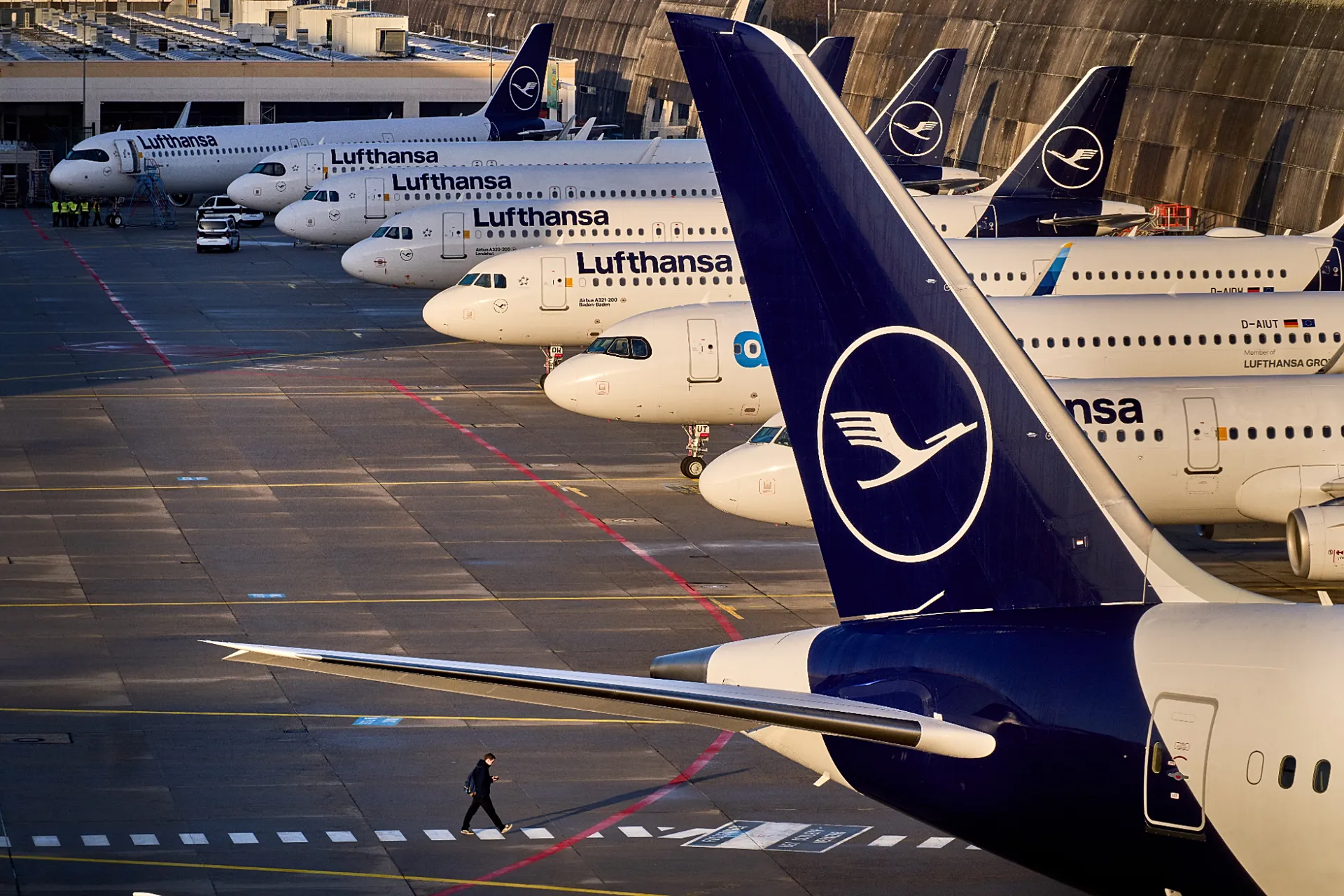
Europe’s aviation boom hits geopolitical turbulence.
Frankfurt, May 2026. Lufthansa reported record revenue and a narrower quarterly loss, but warned that the war around Iran could weigh heavily on profits through higher jet fuel costs, operational disruptions and pressure on summer travel planning. The German airline group is benefiting from resilient passenger demand, yet its financial outlook now depends increasingly on a conflict zone far beyond Europe’s airports.
The warning exposes the new fragility of global aviation. Airlines can fill seats, raise fares and expand premium services, but they remain vulnerable to energy shocks, rerouted flights and sudden instability in strategic corridors. In this environment, profitability is no longer determined only by demand; it is also shaped by oil markets, military escalation and maritime security.
The Strait of Hormuz sits at the center of that pressure. Any sustained disruption in the Gulf can move fuel prices, insurance costs and route planning across the entire aviation industry. For Lufthansa and other European carriers, the Iran conflict is therefore not a distant geopolitical event but a direct operational variable.
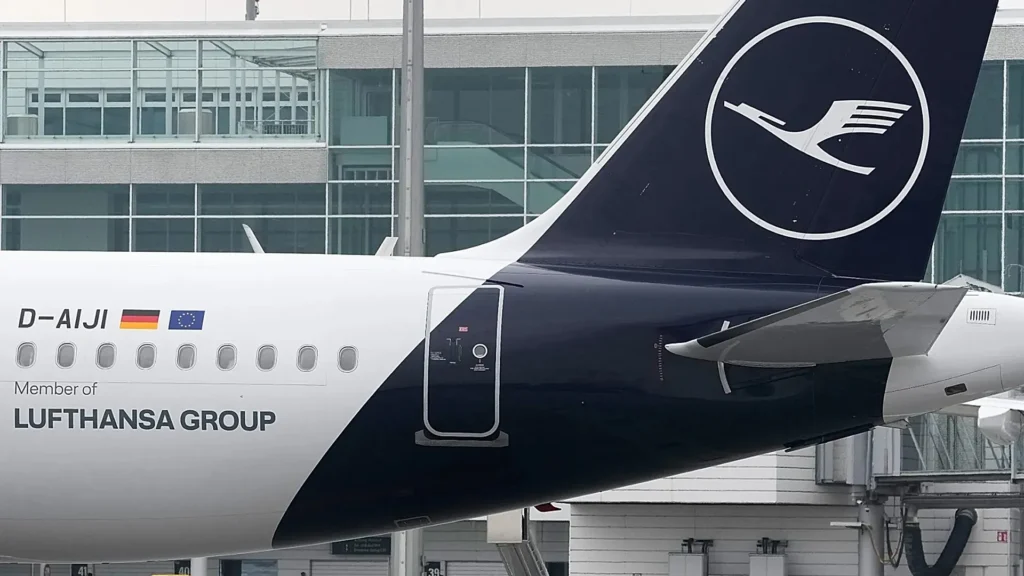
The company’s results show the paradox now facing the sector. Travel demand remains strong, but the cost of sustaining that demand is becoming more unpredictable. Every additional shock in energy markets can quickly turn commercial momentum into financial vulnerability.
Lufthansa’s message is ultimately larger than one balance sheet. It shows how Europe’s aviation industry has become a frontline indicator of global instability. In 2026, an airline’s profit forecast is no longer just an economic document; it is also a map of war, fuel and strategic risk.
Information that anticipates futures. / Información que anticipa futuros.