

 Phoenix 24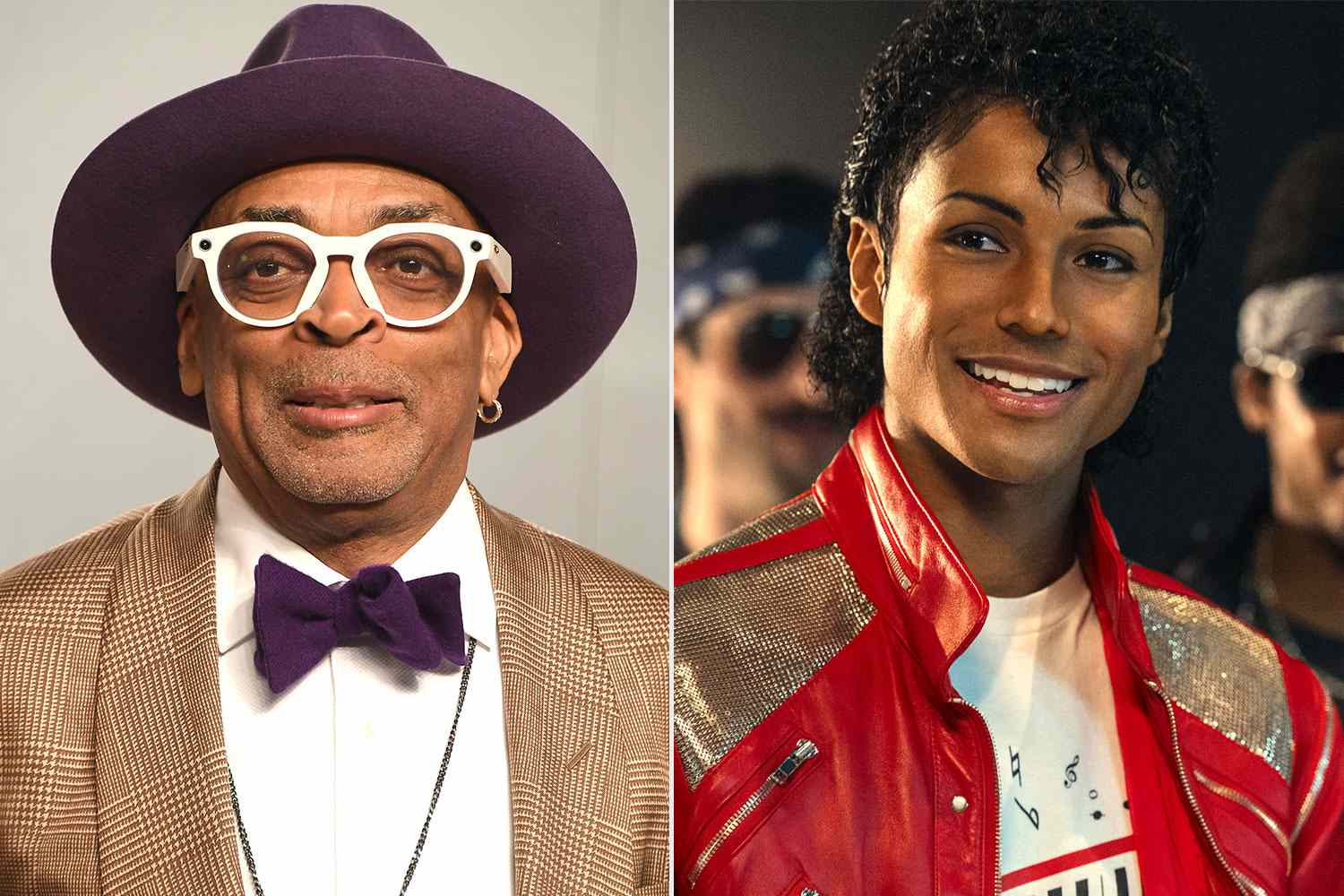
Memory, art and scandal collide again.
Los Angeles, May 2026. Spike Lee’s defense of Michael has reopened one of the most difficult tensions in contemporary biographical cinema: whether a film about a cultural icon can separate artistic legacy from unresolved moral controversy. The criticism centers on the reported omission of child abuse accusations against Michael Jackson, an absence that many observers see as an attempt to protect myth rather than confront history.

Lee’s position places the debate inside a larger question about authorship and responsibility. A biopic is not a court file, but it is also not neutral memory. When a film chooses what to show and what to leave outside the frame, it shapes public understanding of a figure whose life remains contested between genius, fandom, trauma and accusation.
The controversy is especially sensitive because Jackson’s cultural influence remains enormous. His music, dance language, visual aesthetics and global celebrity helped define modern pop, yet the allegations against him continue to shadow any attempt to narrate his life as pure triumph. That unresolved tension is precisely why the film’s editorial choices matter.
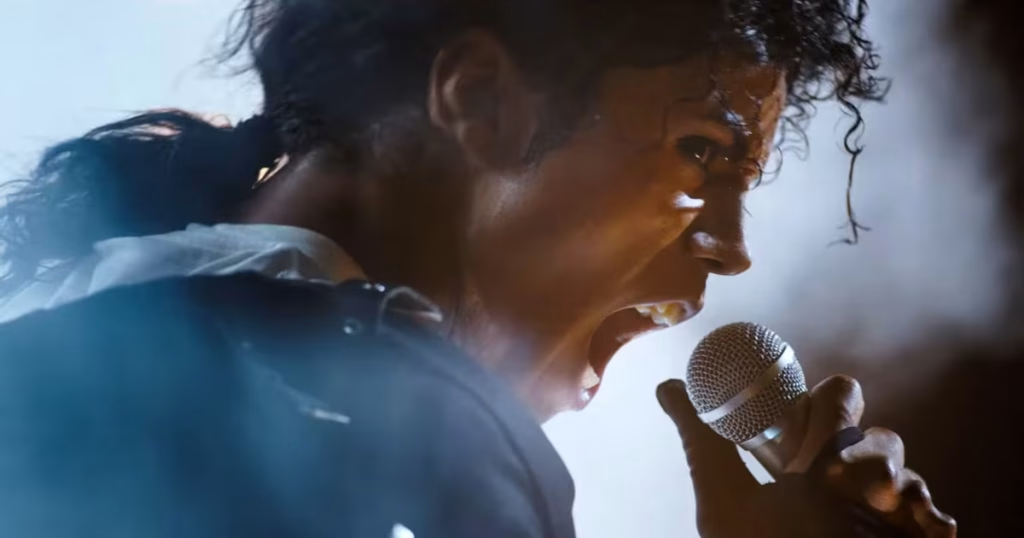
For defenders, Michael may be understood as a portrait of artistic magnitude rather than a full legal or moral reckoning. For critics, that distinction is insufficient because omission can become rehabilitation when the subject is powerful enough to command nostalgia. The risk is that cinema turns complexity into image management.

The deeper issue is not only Michael Jackson. It is the biopic industry itself. In an era when celebrity estates, studios, fans and platforms all compete to control memory, cultural storytelling becomes a battlefield over what society is allowed to remember, question or forgive.
La narrativa también es poder. / Narrative is power too.