

 Phoenix 24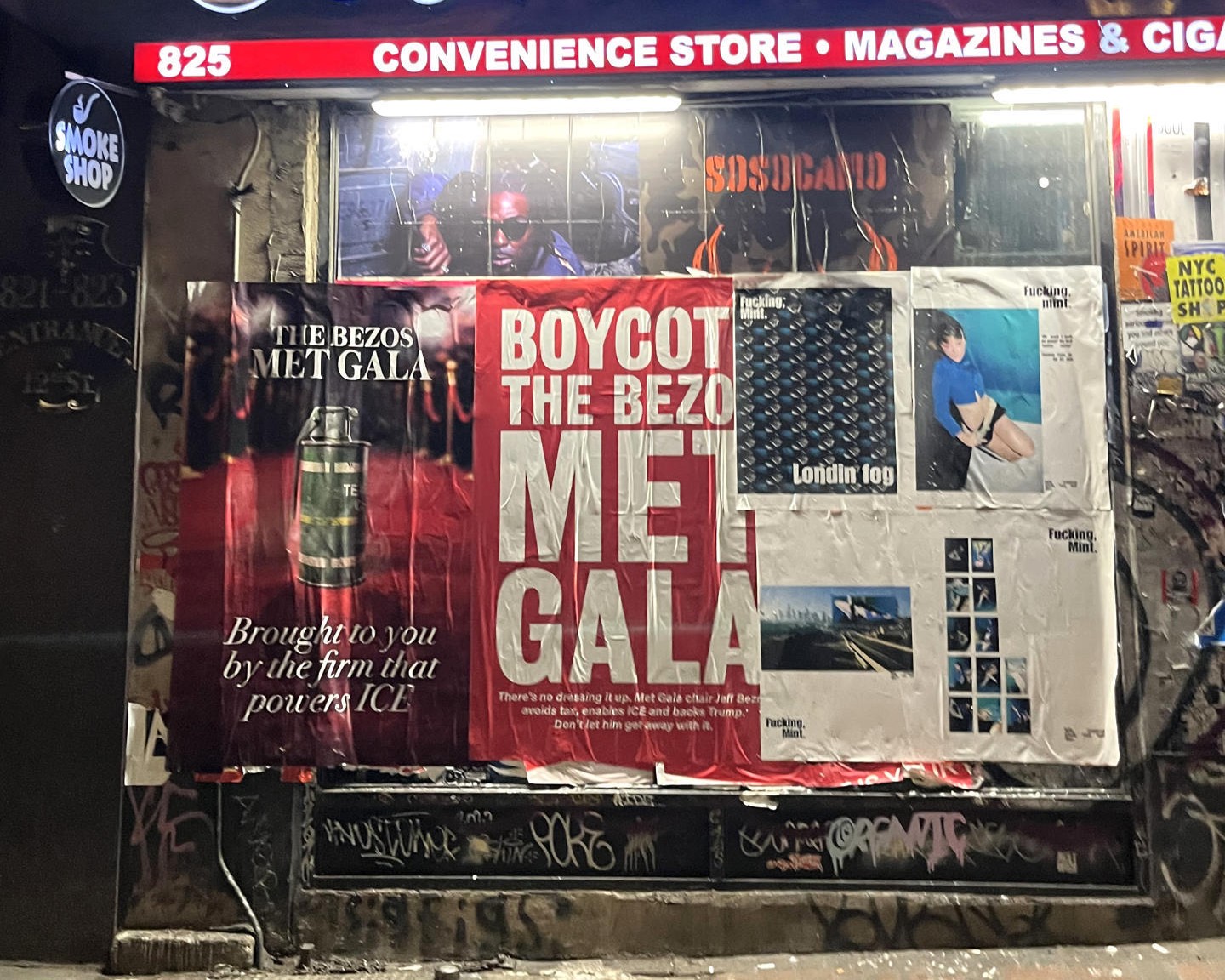
The spectacle now carries a price tag.
New York, May 2026. The 2026 Met Gala has become one of the most controversial editions in recent years because its cultural glamour is now colliding with billionaire patronage, celebrity absences and public accusations of reputational laundering.
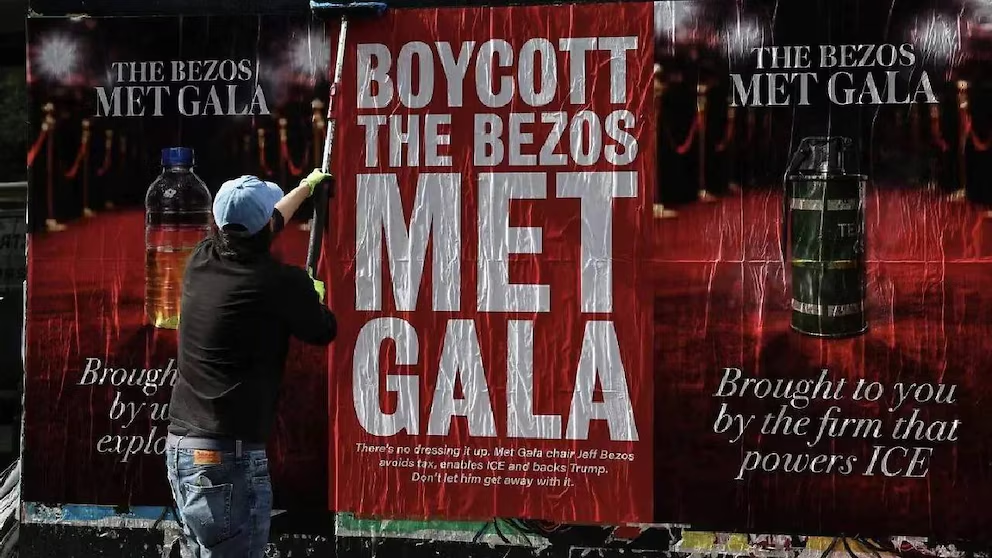
The presence of Jeff Bezos and Lauren Sánchez Bezos as honorary chairs and major donors has shifted attention away from fashion and toward the politics of wealth, influence and institutional legitimacy.
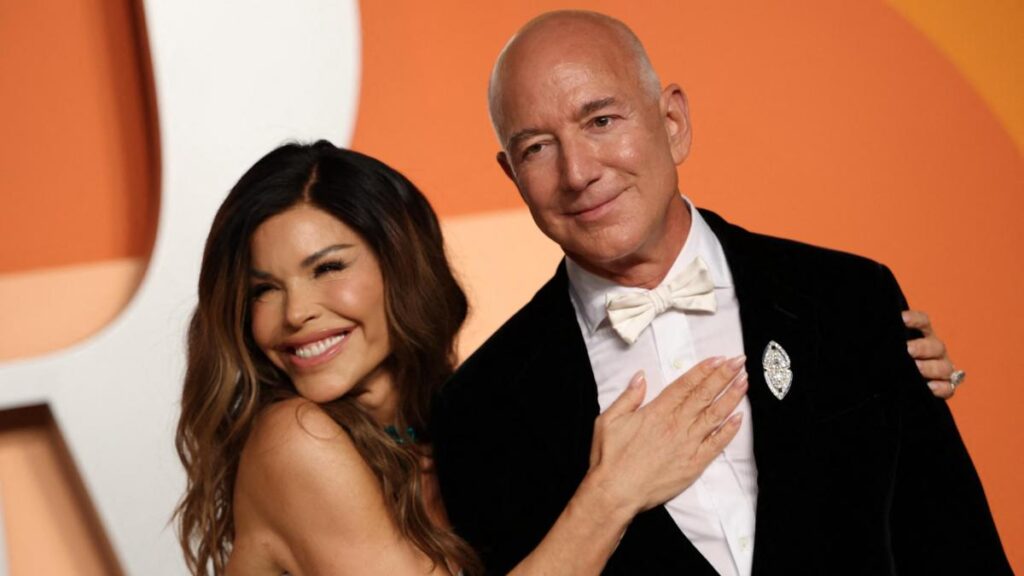
The backlash does not come only from their names, but from what they represent. Critics argue that the gala, historically framed as fashion’s most prestigious cultural fundraiser, is becoming more visibly transactional, where access to symbolic prestige can be amplified through extraordinary financial power. That perception has intensified because the event sits at the intersection of art, celebrity, luxury and corporate image.
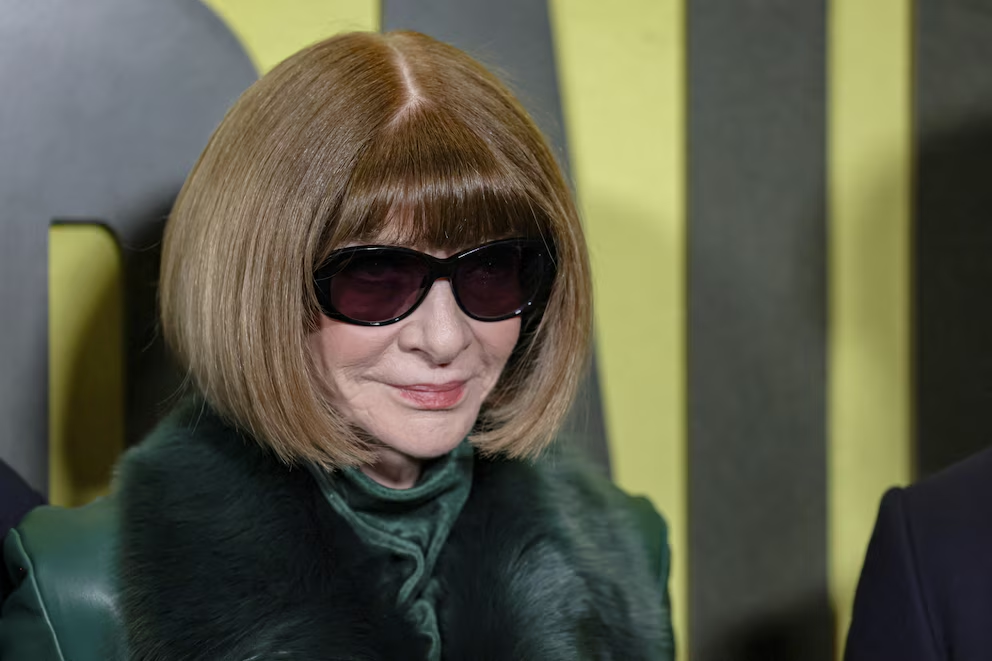
The controversy has also been fueled by reported absences and hesitation among high-profile figures, including names associated with fashion, film and entertainment. In this context, not attending becomes more than a scheduling choice.
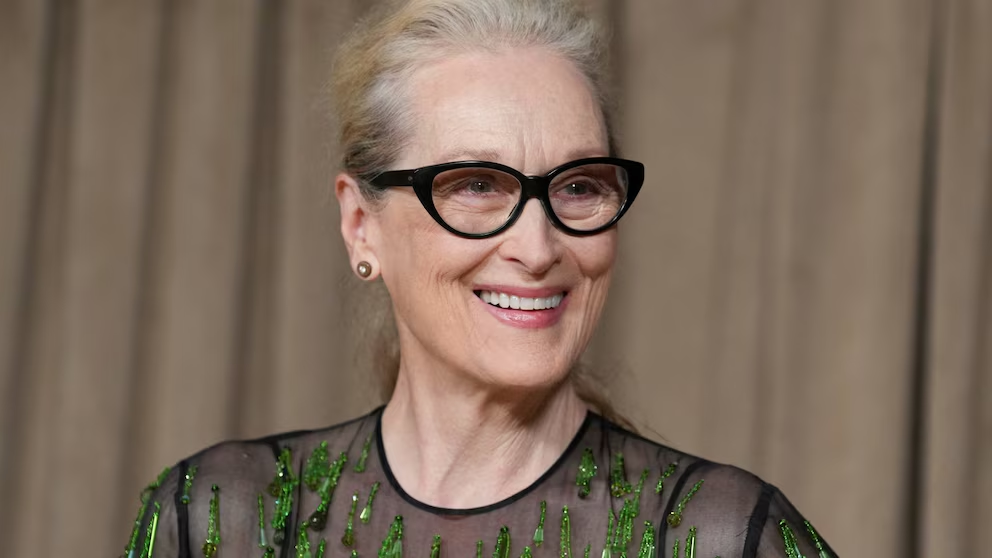
It becomes a silent form of positioning inside an industry where visibility is currency and absence can function as critique.
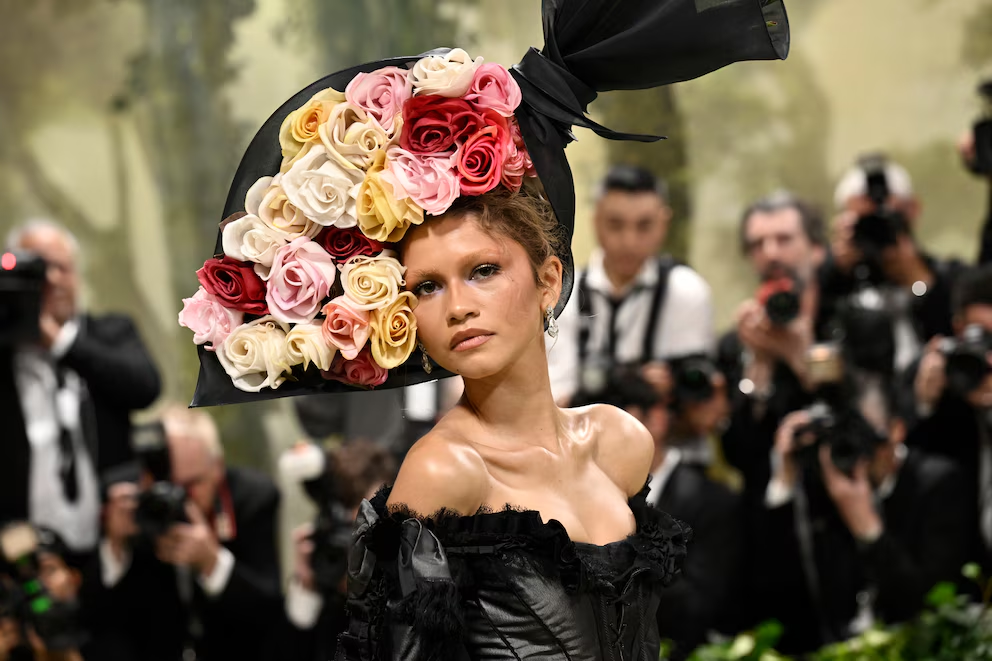
The 2026 exhibition, centered on the relationship between fashion and art, should have been the main cultural conversation. Instead, the debate has moved toward who funds the stage, who benefits from proximity to it and whether elite culture can still claim artistic independence when billionaire sponsorship becomes too visible.
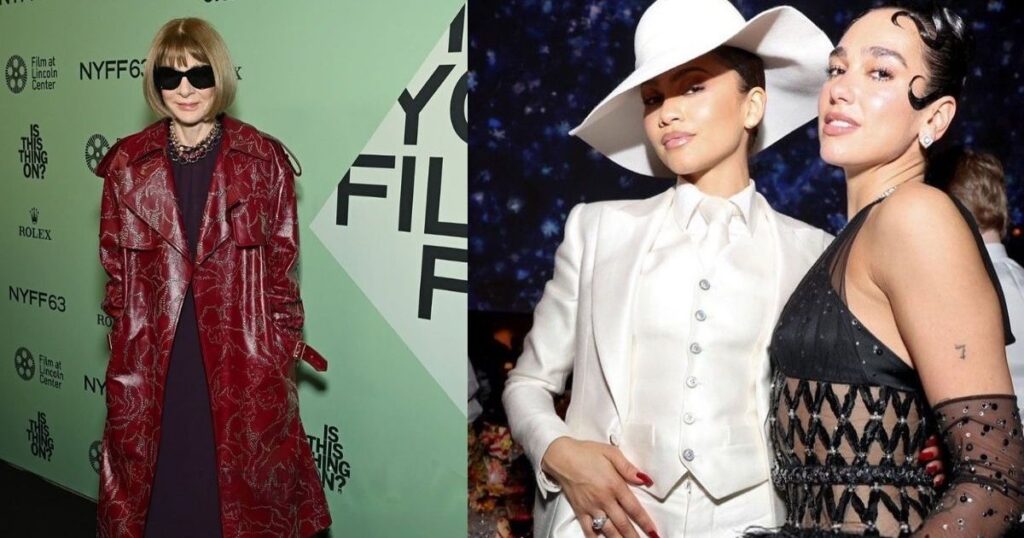
That is the deeper fracture: the clothes may be the image, but the money is now the story.
The Met Gala will still dominate cameras, timelines and global entertainment coverage. But this year’s polemic reveals that fashion’s biggest night is no longer judged only by design, beauty or spectacle.
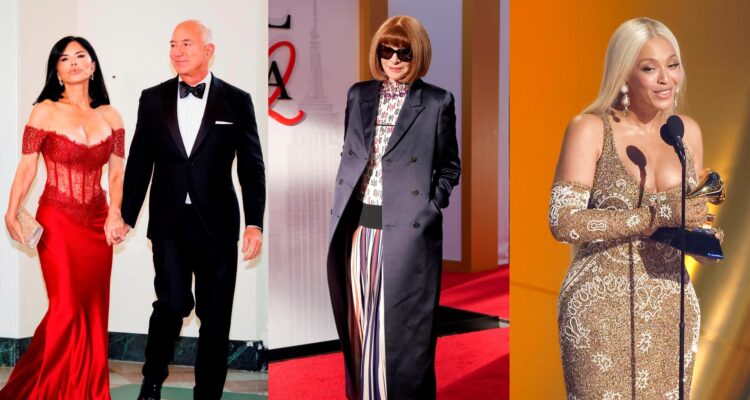
It is also judged by labor politics, wealth concentration, cultural gatekeeping and the uneasy exchange between art and power.
La verdad es estructura, no ruido. / Truth is structure, not noise.