

 Phoenix 24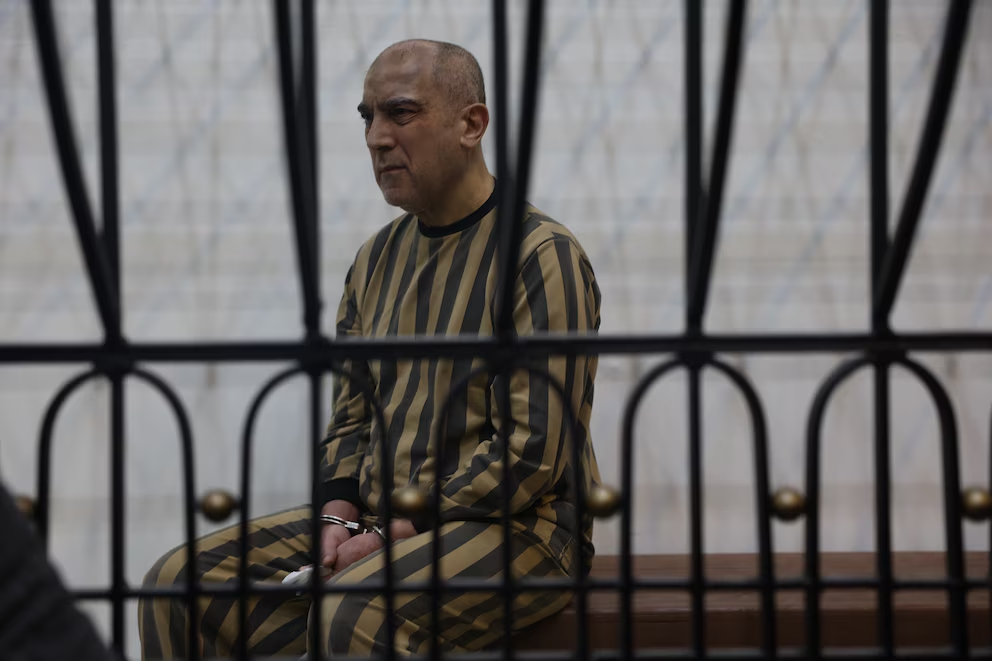
Justice begins where fear once ruled.
Damascus, April 2026. Syria has opened its first public trial against figures linked to the former regime of Bashar al-Assad, turning a courtroom in the capital into a symbolic arena for postwar accountability. The proceedings include former officials accused of participating in the machinery of repression that marked the country’s descent into conflict after 2011.
Among the central names is Atef Najib, a former security chief and relative of Assad, long associated with the crackdown in Daraa that helped ignite the uprising. His presence before a public court carries a heavy political charge because it moves one of the old regime’s security figures from untouchable authority to judicial scrutiny. For many Syrians, the image matters almost as much as the verdict.
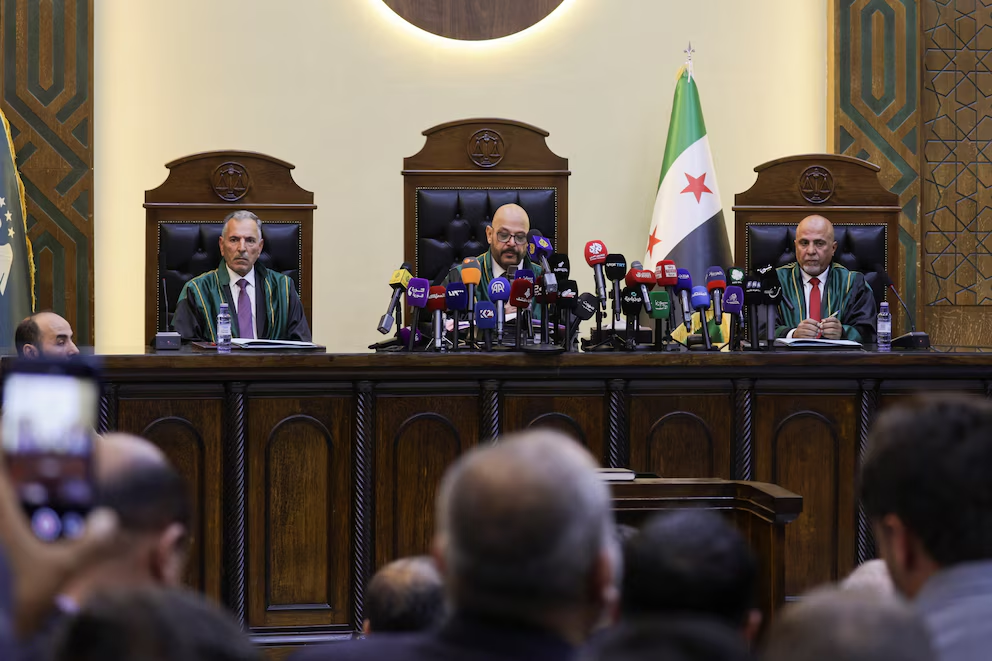
The trial is being presented as part of a wider transitional justice process. Its purpose is not only to punish individual abuses, but to establish whether Syria can confront the architecture of fear that governed detention centers, intelligence branches and civilian life for years. That challenge is immense because the former regime was not a collection of isolated actors; it was a system.
Yet the limits are already visible. Some of the most powerful figures connected to the old order remain outside the court’s physical reach, including Bashar al-Assad himself. Trying absent defendants may create a record, but it cannot fully resolve the political problem of impunity, exile, protection networks and external leverage.
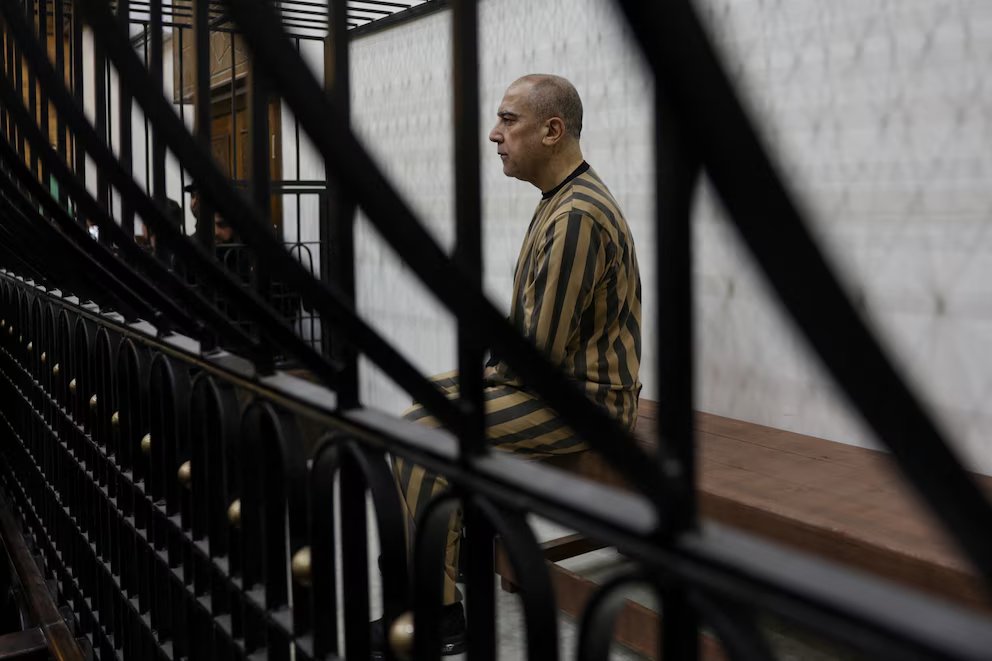
Still, the opening of a public trial in Damascus marks a rupture. It tells victims and survivors that memory is no longer confined to private grief, whispered testimony or foreign tribunals. The state that once produced silence is now being forced, however imperfectly, to host accusation.
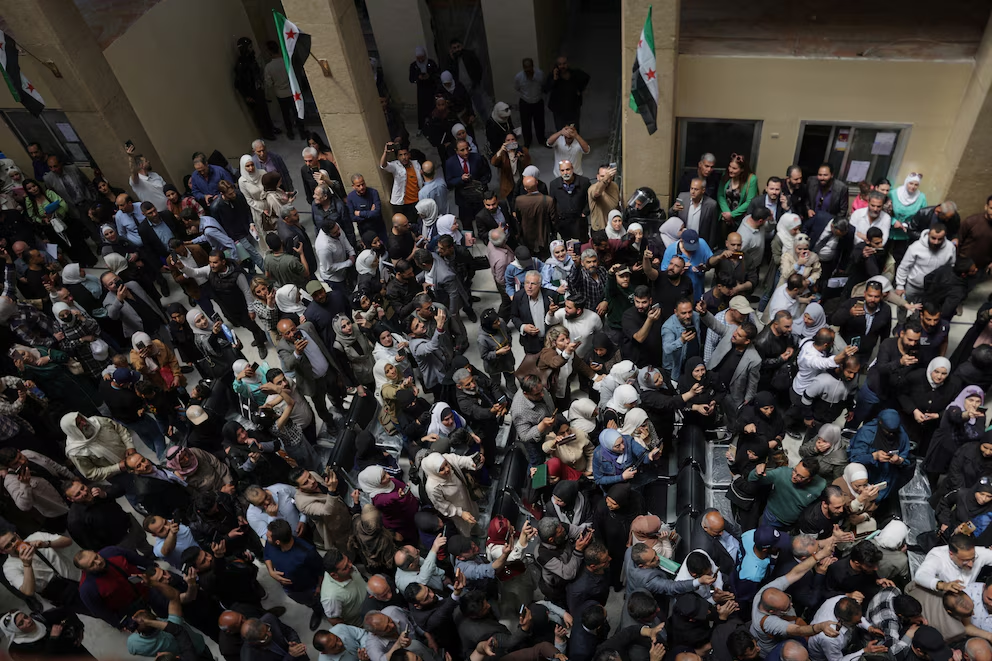
The courtroom will not rebuild Syria by itself. But it can define the first grammar of accountability after years of violence. In a country fractured by war, displacement and fear, justice begins not as closure, but as the public naming of what power tried to bury.
Behind every fact, there is intent. Behind every silence, a structure.