

 Phoenix 24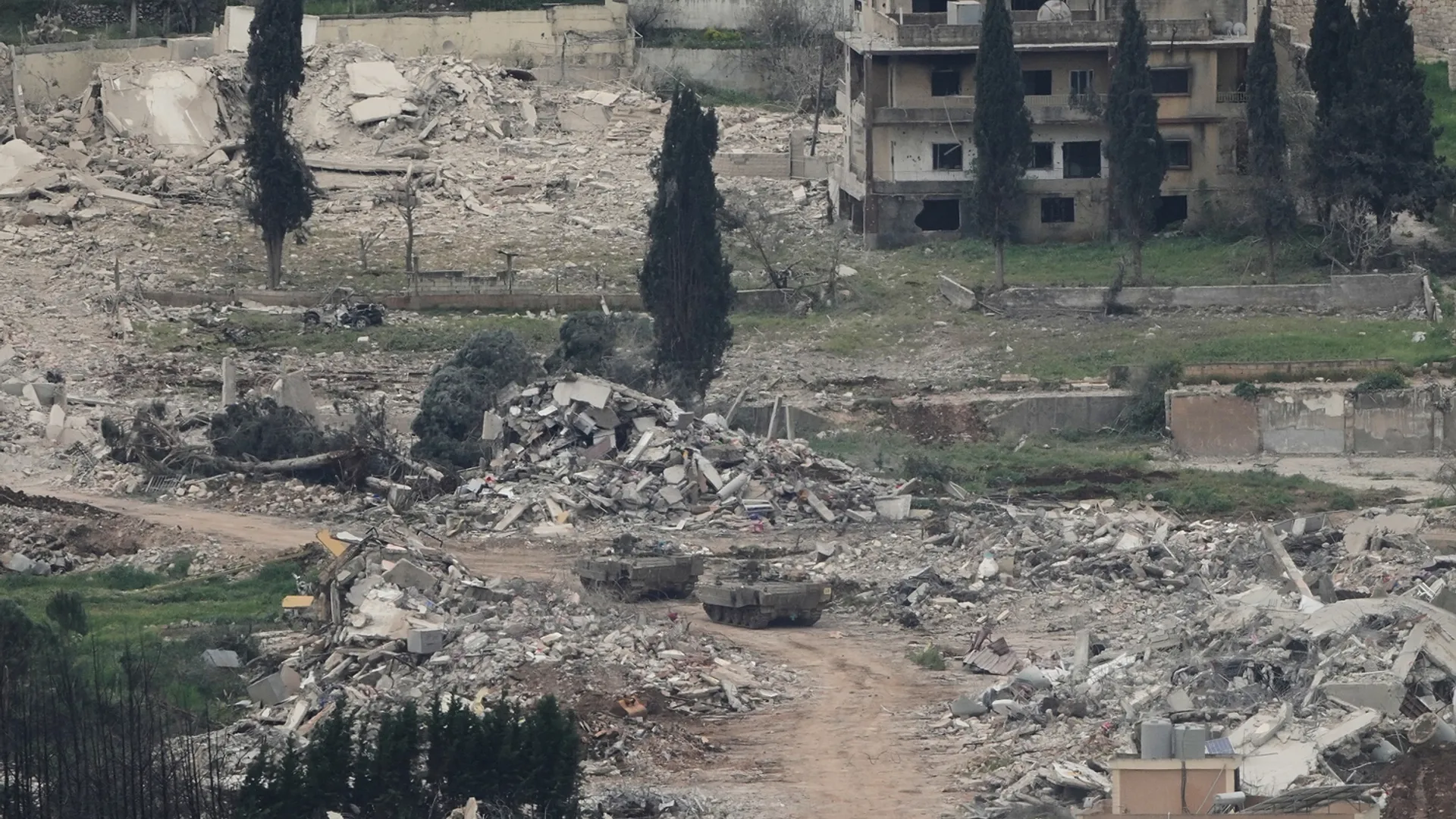
Energy is also a weapon of civilian survival.
Dibal, April 2026. The Israeli military has opened an investigation after video footage appeared to show soldiers destroying solar panels in a Christian village in southern Lebanon. The incident took place in Dibal, the same village already shaken by a separate controversy involving the destruction of a Jesus statue by Israeli soldiers. In both cases, the central issue is not only military discipline, but the erosion of civilian life under occupation pressure.
The solar panels reportedly formed part of civilian infrastructure used by hundreds of residents who had not evacuated and remained inside their homes. Their destruction therefore carried consequences beyond material damage. In a conflict zone where electricity, communications, refrigeration, water systems and basic domestic routines depend on fragile infrastructure, the loss of solar energy can become a direct blow to civilian endurance.
The Israeli military said the actions shown in the footage did not align with its values or with the behavior expected from its soldiers. It also stated that the incident was under review and that command measures would be taken depending on the outcome of the investigation. Yet the repetition of incidents in the same village raises a deeper question about whether these are isolated disciplinary failures or symptoms of a broader operational environment where civilian property becomes vulnerable to punitive destruction.
The case comes after two Israeli soldiers were punished over the destruction of a Christian statue in Dibal, while six others who were present and failed to intervene or report the act were summoned for internal clarification sessions. The new solar panel incident widens the same pattern from religious symbolism to civilian infrastructure. One attack damaged memory and identity; the other damaged the material systems that allow residents to stay.
Reports of looting and destruction in southern Lebanon have added pressure to the controversy. Allegations involving the removal of civilian belongings from homes and shops, together with satellite-based assessments of widespread damage across residential areas, have intensified scrutiny over Israeli conduct during the campaign. For Lebanese civilians, the destruction of solar panels is not a minor act of vandalism. It becomes part of a wider architecture of displacement, exhaustion and territorial pressure.
The political meaning of the incident is clear. In modern war, infrastructure is not neutral; it determines who can remain, who must leave, and who controls the rhythm of daily survival. A destroyed solar panel may appear small beside airstrikes, demolished homes or mass displacement, but it belongs to the same geography of coercion. In southern Lebanon, even sunlight has become part of the battlefield.
Behind every fact, there is intent. Behind every silence, a structure.