

 Phoenix 24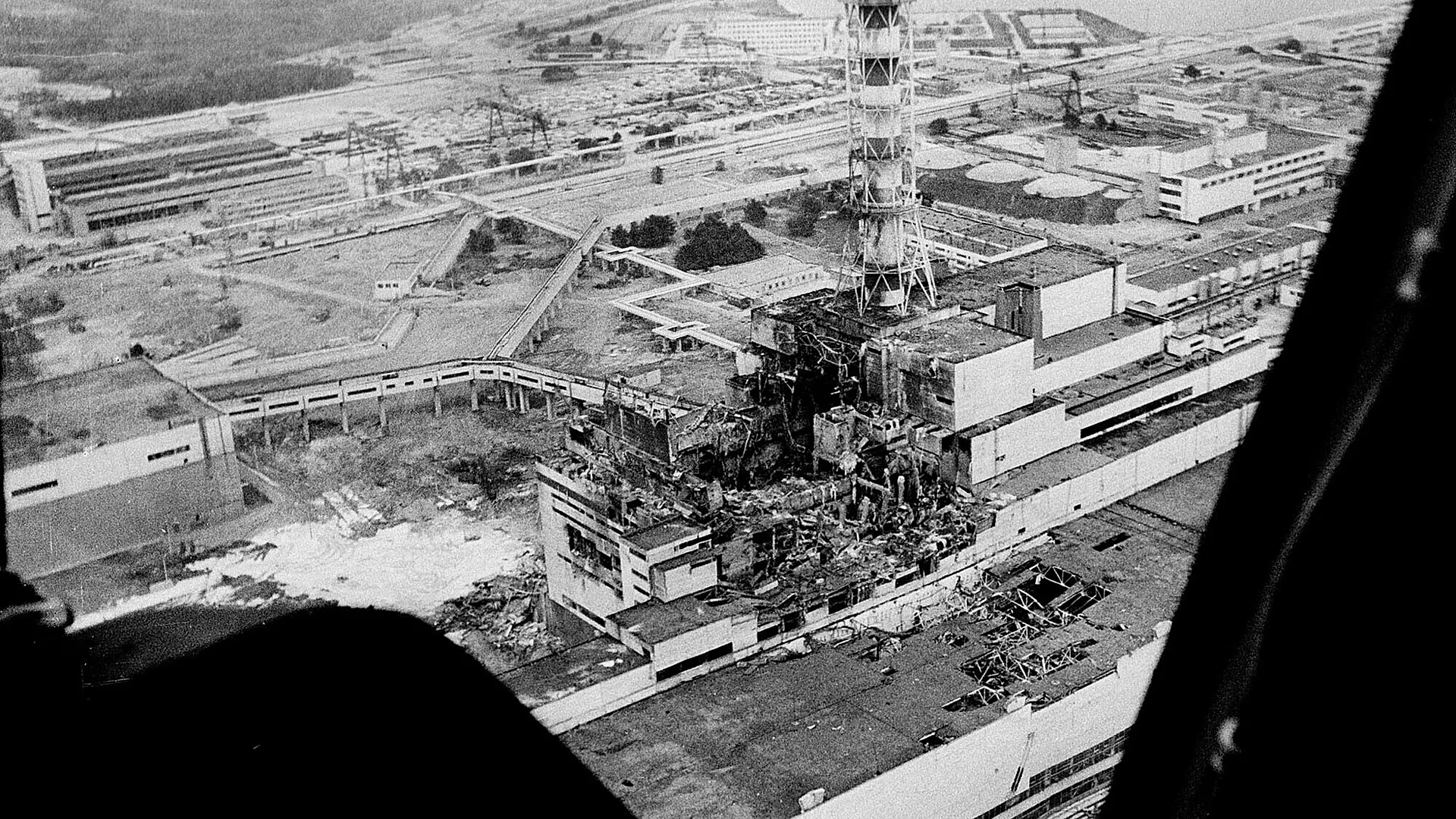
Radiation fades slowly where memory turns biological.
Brussels, April 2026. Four decades after the Chernobyl reactor exploded, Europe continues to live with a contamination map that never fully disappeared. The disaster is remembered through abandoned cities, official commemorations and nuclear safety debates, but its more persistent legacy survives in soil, plants, animals and food chains that still carry traces of radioactive fallout.
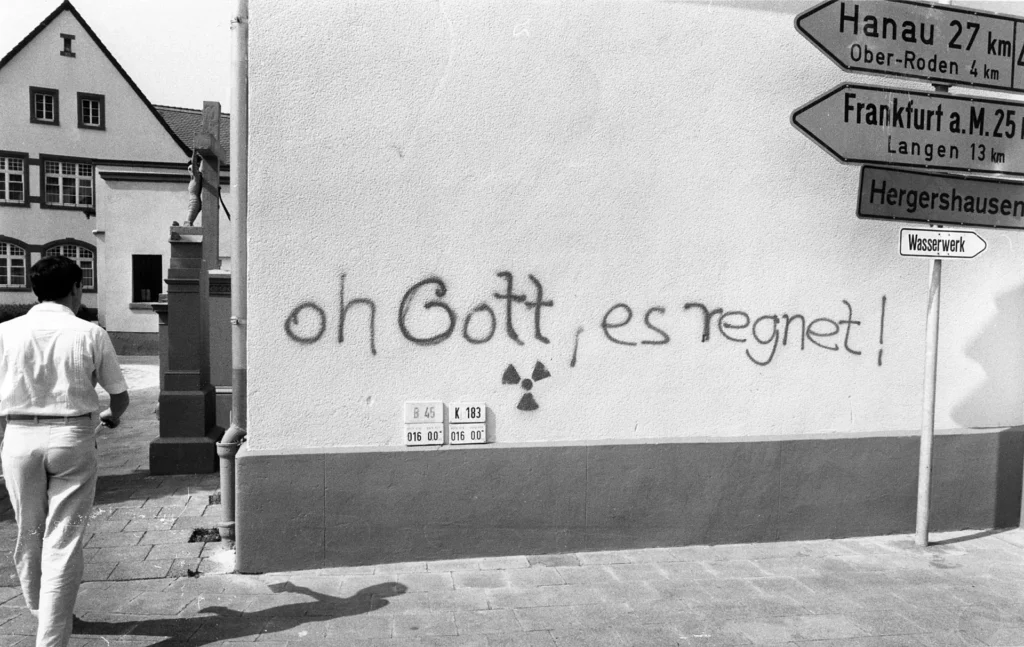
The most unsettling detail is not only that radiation spread widely after April 1986, but that it settled unevenly across Europe. Rain, wind and soil composition determined where radioactive particles accumulated, leaving certain rural areas with longer environmental afterlives than others. What began as an industrial catastrophe became an ecological archive written into forests, crops and wildlife.
Lettuces, milk, mushrooms and wild game became part of Europe’s post-Chernobyl vocabulary because food was one of the first spaces where invisible contamination became socially measurable. Authorities monitored agricultural products, imposed restrictions and tried to translate radiation into public risk without triggering panic. That effort revealed a deeper problem: when danger cannot be seen, trust becomes as important as measurement.

Wild boars remain one of the clearest symbols of this long contamination cycle. In parts of Central Europe, their radioactive levels have persisted because they feed on underground fungi and roots capable of absorbing and retaining cesium from contaminated soil. Their bodies became biological indicators of how slowly nuclear fallout can move through ecosystems long after the original event leaves the headlines.
The lesson extends beyond Chernobyl itself. Nuclear accidents do not end when reactors are sealed, evacuations conclude or anniversaries pass. Their consequences migrate through water, forests, agricultural systems and institutional memory, forcing governments to manage risks that outlast political mandates and public attention.
Forty years later, Chernobyl is no longer only a Soviet disaster or a Ukrainian scar. It is a European environmental warning about the persistence of technological failure. Radiation may decay, but the systems it contaminates keep recording the event long after society tries to move on.
Detrás de cada dato, hay una intención. Detrás de cada silencio, una estructura.